

37 Miners Die in Niger Custody: What Happened?

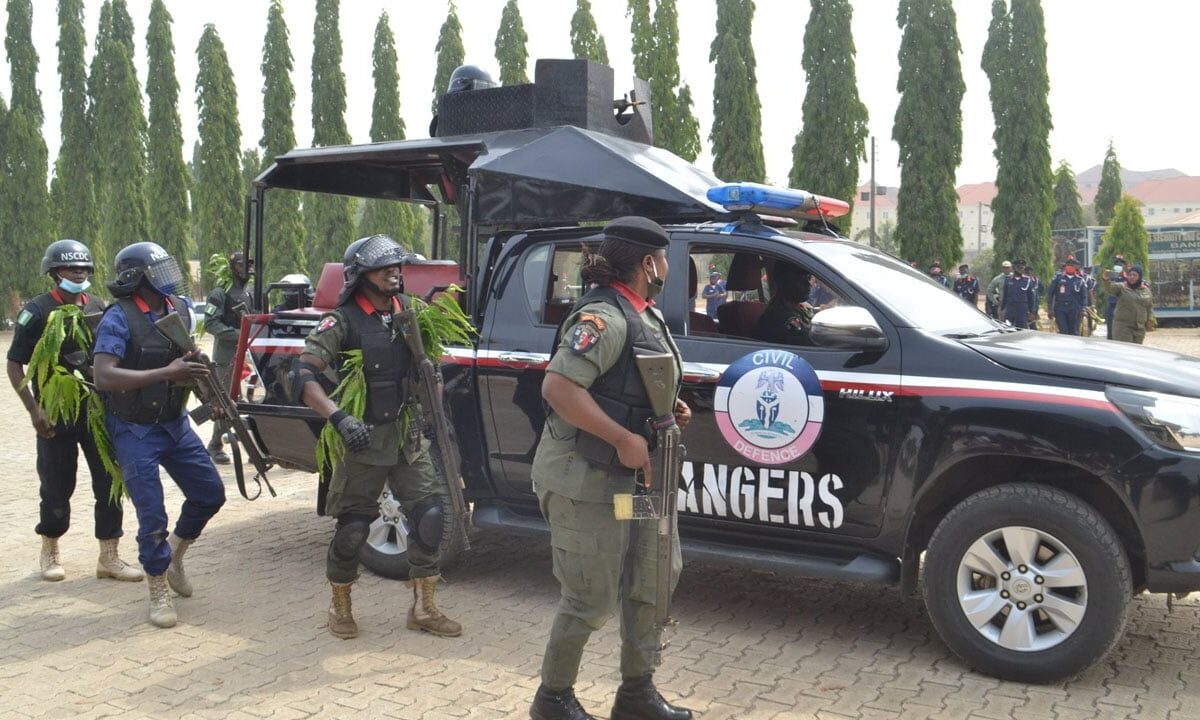
The deaths of 37 suspected illegal miners in the custody of the Nigeria Security and Civil Defence Corps (NSCDC) in Niger State have raised questions about what happened inside the facility where they were detained.
The NSCDC initially said the suspects died following a suspected disease outbreak, but the corps later stressed that no specific disease had been confirmed as the cause of death. Medical examinations and an investigation are expected to determine what happened.
A survivor, meanwhile, reportedly gave investigators a different account, alleging that detainees were held in an overcrowded and poorly ventilated cell. That claim has not established the cause of the deaths but has added another line of inquiry to an incident now being investigated by security authorities.
The deaths occurred only days after the suspects were arrested during an operation targeting illegal mining in the state.
How the 37 miners were arrested
The suspects were arrested during enforcement operations carried out by the Niger State NSCDC Command on September 15 and 16.
The operation covered the M.I. Wushishi and Lukoto areas of Niger State and was part of the corps’ efforts to tackle illegal mining activities.
According to the Niger State command, the operation resulted in the arrest of scores of suspected illegal miners and the recovery of various exhibits.
The suspects were subsequently taken into NSCDC custody.
But in the early hours of September 17, some of those detained were found dead.
The Niger State Commandant, Suberu Aniviye, initially attributed the deaths to what he described as a suspected outbreak of disease.
The bodies were deposited at the General Hospital in Minna for medical examination to determine the actual cause of death.
What the NSCDC says about the 37 miners
While the Niger State command mentioned a suspected disease outbreak, the NSCDC national headquarters was more cautious about the cause of death.
The corps said reports linking the deaths to a particular disease had not been medically confirmed.
Its national spokesperson, Babawale Afolabi, said the Commandant-General, Ahmed Audi, had ordered a high-powered investigative team to examine the incident.
The investigation is expected to establish what happened from the time the suspects were arrested until their deaths.
It will also examine the condition of the suspects when they were arrested, their period in custody, the conditions in which they were detained and the medical attention provided to them.
That distinction is important because the cause of death remains officially unresolved.
In other words, the NSCDC has not established that a disease killed the suspects.
The medical examination is expected to provide evidence that can either support or rule out that explanation.
The survivor’s account raises another question
A survivor of the incident reportedly alleged that detainees were packed into an overcrowded cell with poor ventilation.
According to the account reported by the Associated Press, 65 detainees were held in the cell and some struggled to breathe.
The allegation has not been independently established as the cause of the deaths.
However, it is significant because the NSCDC’s own investigation specifically includes the conditions of detention and the medical care given to the suspects.
That means investigators will have to examine whether the physical conditions inside the facility had any connection to what happened.
The investigation therefore has two important questions to answer: whether the deaths were connected to a disease or medical condition, and whether the circumstances in which the suspects were detained contributed to their deaths.
What will happen to the investigation?
The NSCDC has already established an investigative team to examine the circumstances surrounding the deaths.
The corps said the remains were taken to the General Hospital in Minna for medical examination and determination of the actual cause of death.
The police are also investigating the incident.
The Federal Government has now taken further action, ordering the immediate suspension of Niger State NSCDC Commandant Suberu Aniviye and a full investigation into the deaths. The suspension is an administrative action pending the investigation and does not, by itself, establish responsibility for the deaths.
The federal government said the investigation should establish what happened while the suspects were under the supervision of the NSCDC.
This could make the findings particularly important because the people who died had not been convicted of illegal mining. They were suspects who had been arrested during an enforcement operation.
Niger declares three days of mourning
The incident has also prompted a response from the Niger State Government.
Governor Mohammed Umaru Bago confirmed that 37 suspected illegal miners died in NSCDC custody and declared three days of mourning for the victims.
The state government also cancelled an All Progressives Congress rally scheduled to hold in Minna on September 19 following the deaths.
The development has therefore moved from an incident involving an NSCDC enforcement operation into a wider investigation involving the state government, the federal government, the NSCDC and the police.
What remains unanswered about the 37 miners
Several questions remain open.
What caused the deaths? The NSCDC has not confirmed a specific disease, while medical examination is expected to establish the cause.
How were the suspects detained? Investigators are expected to examine the conditions of the facility and the number of people held there.
Did the detainees receive medical attention? This is also part of the NSCDC’s investigation.
What happened between their arrest and their deaths? The suspects were arrested on September 15 and 16, with the deaths discovered on September 17.
Until those questions are answered, it remains premature to conclude whether the deaths resulted from a disease outbreak, the conditions of detention or another cause.
What is established is that 37 suspected illegal miners died while in NSCDC custody in Niger State, prompting medical examinations, a security investigation and the suspension of the state commandant.
The findings of those investigations will determine what actually happened to the detainees and whether anyone bears responsibility for their deaths.