

Why Reckless Road Users Keep Endangering Lives On Nigeria’s Roads Despite A Rising Death Toll

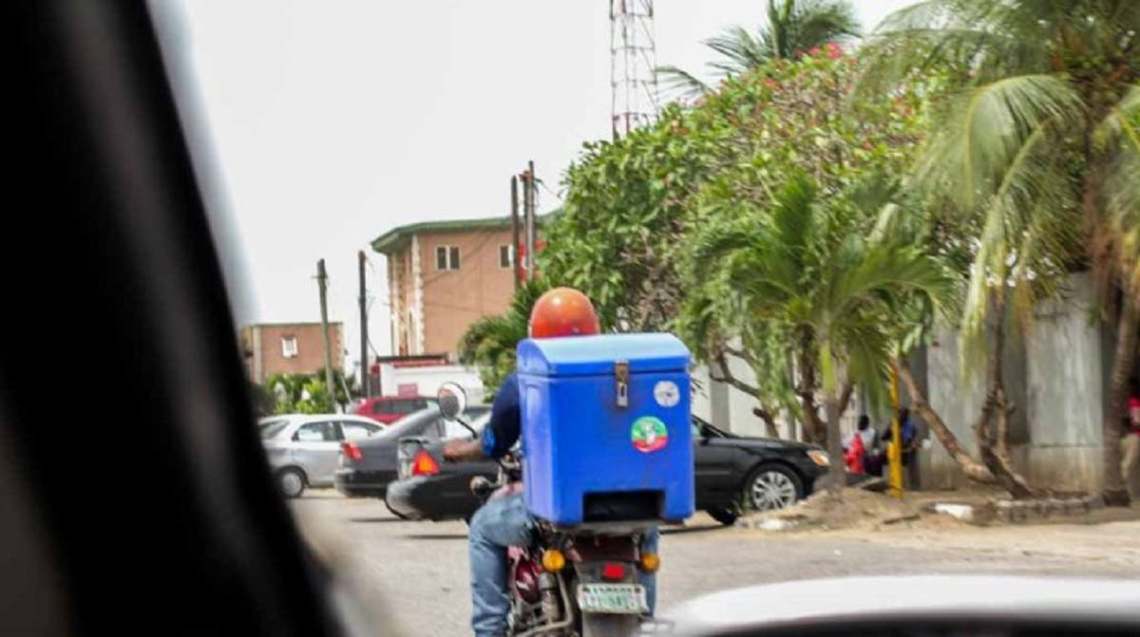
Photo Credit: NAN – Premium Times
PReckless road users have continued to endanger lives on Nigeria’s roads despite years of warnings and a death toll that keeps climbing, and a viral video of a dispatch rider weaving through traffic has reopened that conversation this week. The clip, shared by a social media user known as D3VID, shows the rider speeding and swerving so hard that viewers joked his deliveries would arrive scrambled, from jollof rice shaken into porridge to cupcakes crushed into okpa. The jokes came fast, but so did complaints about a pattern many riders and drivers already know too well.
Reckless road users exploit Nigeria’s delivery boom
Dispatch and food delivery riding has grown fast in cities like Lagos, and platforms that pay per trip reward speed over caution. A rider who beats traffic to the next order earns more in a day than one who rides carefully. That incentive, more than recklessness for its own sake, pushes many onto pavements, against one way signs and through red lights just to keep up with demand.
Reckless road users cause damage beyond a ruined order
The jokes about mixed up meals sit on top of a more serious pattern. The National Bureau of Statistics recorded 1,347 road deaths in the first quarter of 2026 alone, with commercial vehicles and motorcycles dominating the crash figures. Every swerve that looks funny in a video carries the same risk that shows up in those numbers, only without a camera rolling.
Why these Recklessness Persist
The Federal Road Safety Corps booked 648,918 traffic offences in 2025, up 30.6 percent from the year before, yet fatalities still rose to 5,289, missing the Corps’ own 10 percent reduction target. Critics have pointed out that roadblocks tend to catch motorists for minor paperwork infractions while riders and drivers openly breaking real safety rules speed past unchecked. Punishment, in other words, often lands on the wrong offence.
Reckless road users thrive under pressure that regulators rarely address
Long hours, bad roads and the constant threat of losing an order to a faster rider push many dispatch workers toward risk they would otherwise avoid. Public awareness campaigns and helmet rules exist, but they rarely touch the pay structures that make speed the only way to earn a living wage. Until that pressure changes, reckless riding will keep looking like a personal failure rather than the economic one it usually is.
Greater Consequences
Nigeria recorded 10,446 road crashes in 2025, a 9.2 percent rise from the previous year, with injuries climbing to 33,400. That works out to roughly 14 deaths a day nationwide. The dispatch rider in the viral clip is one face of a much larger, largely unphotographed problem playing out on Nigerian roads every day.
Frequently Asked Questions
Why did the dispatch rider video go viral?
A clip shared by X user D3VID showed a rider speeding and swerving so severely that viewers joked his deliveries would arrive damaged, sparking wider comments about reckless riding in Nigeria’s food delivery scene.
How many people die on Nigerian roads each year?
The FRSC recorded 5,289 road deaths in 2025 out of 10,446 crashes nationwide, which averages to about 14 deaths every day.
Why do dispatch riders ride recklessly despite the risks?
Per trip pay structures reward speed, so riders who move faster earn more, which pushes many toward risky overtaking, wrong way riding and red light violations to beat traffic and rival riders.
Is the FRSC doing enough to stop reckless road use?
Traffic offences booked by the FRSC rose 30.6 percent in 2025, but fatalities still increased, and critics argue enforcement leans toward minor fines rather than the reckless behaviour actually causing crashes.
What would reduce reckless riding among dispatch workers?
Analysts point to fairer pay structures that do not punish riders for slowing down, stricter enforcement of real safety violations, and better roads and helmet compliance as more effective fixes than awareness campaigns alone.