
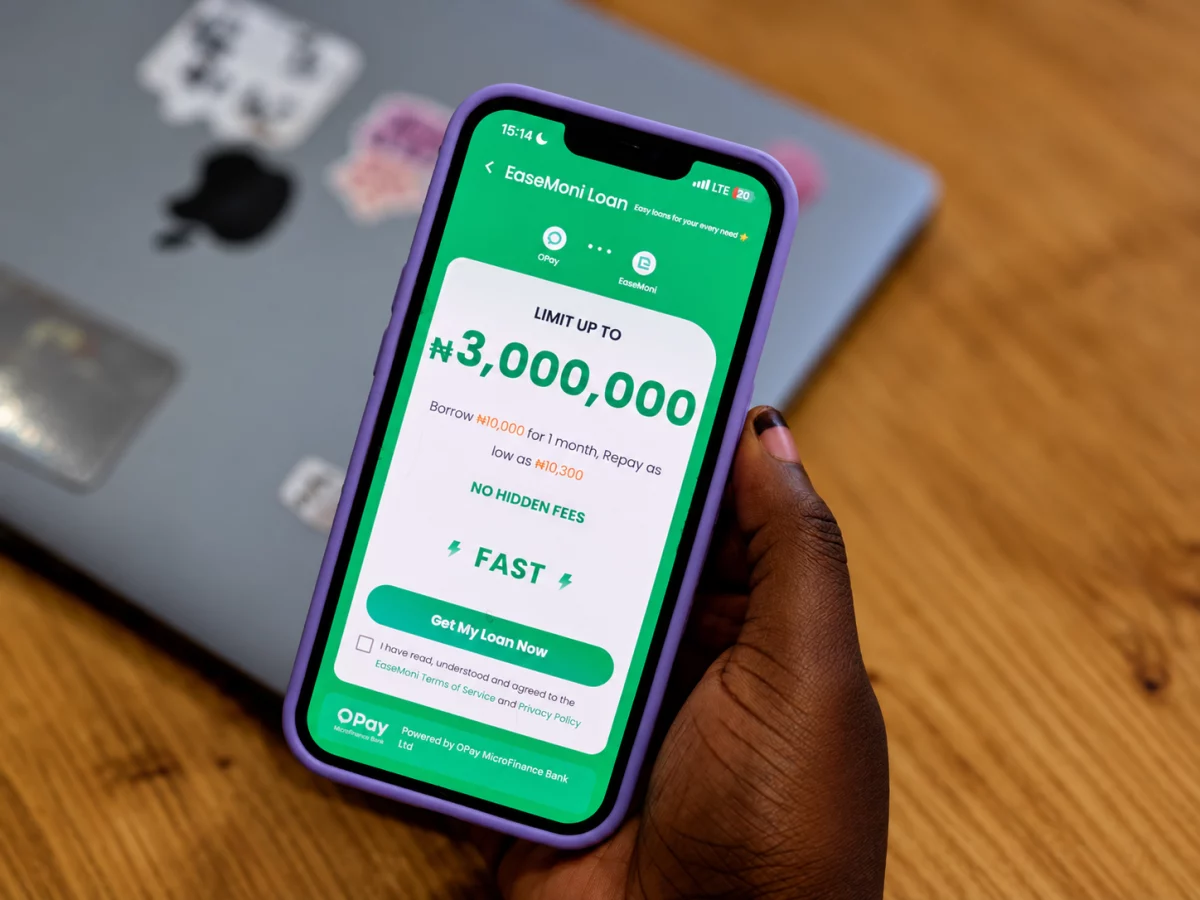
The Federal Government says payments made under its ₦50,000 relief programme are independently verified to ensure that financial assistance reaches the intended beneficiaries.
The National Emergency Relief and Stabilisation Intervention (NERSI), managed by the Federal Ministry of Humanitarian Affairs and Poverty Reduction, is designed to support poor and vulnerable Nigerian households facing rising living costs.
Unlike programmes that rely on public applications, NERSI beneficiaries are selected from the National Social Register and verified national identity records.
The government says payments are processed through licensed financial service providers after selected individuals give their consent.
However, beyond the payment process, the ministry says it works with an independent verification agent to confirm that the money reaches the correct recipients.
The arrangement raises important questions about how payments are monitored, how unsuccessful transactions are identified and what information is made available to the public.
How FG says NERSI payments are verified
According to the ministry’s official NERSI portal, the government oversees beneficiary selection and works with financial service providers to deliver grants through mobile wallets.
The portal also states that an independent verification agent is involved in confirming payments.
This suggests that the programme includes a verification process beyond the initial selection of beneficiaries and the transfer of funds.
The distinction is important because identifying an eligible person does not automatically establish that the individual has successfully received the money.
A payment may encounter technical problems, account verification issues or other processing difficulties.
Independent verification is intended to provide additional assurance that the programme is reaching its intended recipients.
However, the ministry’s public FAQ does not explain the full verification methodology or publish the detailed procedures used by the independent agent.
Who is the independent NERSI verification agent?
The ministry confirms that it works with an independent verification agent.
However, the official programme information reviewed does not identify the organisation by name.
It also does not publish the agent’s contract value, appointment process or detailed terms of reference.
These are relevant accountability questions because independent verification can only provide meaningful public assurance when its scope and responsibilities are clearly understood.
For example, it would be useful to know whether the agent verifies every transaction or examines a sample of payments.
It would also be important to establish whether verification involves direct contact with beneficiaries, checks against financial records or both.
The available public information does not provide sufficient detail to answer these questions definitively.
Consequently, the existence of a verification arrangement should not be presented as proof that every payment has already been independently confirmed.
How beneficiaries know their ₦50,000 has arrived
The ministry says selected beneficiaries receive SMS notifications from authorised financial service providers.
After accepting the grant, recipients are informed when their wallets are credited.
The government also says beneficiaries can use their providers’ designated USSD services to check their wallet balances.
The approved payment platforms are ALAT by Wema Bank, MoMo Payment Service Bank, NairaGram, OPay and Moniepoint.
These institutions are responsible for delivering funds to selected beneficiaries through their respective payment systems.
However, an SMS confirming a wallet credit is different from an independent assessment of the programme’s overall performance.
The former informs an individual about a transaction, while the latter is intended to assess whether disbursements have reached the appropriate recipients.
What happens if a beneficiary does not receive payment?
The ministry says payments are made in phases, meaning beneficiaries may receive notifications at different times.
It also explains that not everyone is selected during a particular phase.
Consequently, a person who has not received money may be awaiting notification or may not be among the selected beneficiaries.
For individuals who have already accepted the grant but are experiencing wallet or transaction problems, the ministry advises contacting the designated payment provider.
The government lists 0700-022-2222 as the NERSI programme helpline for general enquiries and complaints.
However, the published information does not explain whether every unresolved payment complaint is automatically referred to the independent verification agent.
It also does not provide a public breakdown of successful payments, failed transactions and complaints resolved.
Such information would help Nigerians assess the programme’s performance.
Why independent verification matters for public funds
NERSI involves public money intended to support vulnerable households.
Effective monitoring is therefore important to ensure that funds reach eligible recipients and that problems are identified promptly.
Independent verification can help assess payment accuracy, identify operational weaknesses and provide information for programme improvements.
However, its value depends on the quality of the checks performed and the extent to which findings are acted upon.
Public reporting is also important.
Information about the number of beneficiaries paid, the amounts disbursed and the proportion of unsuccessful transactions would allow citizens to better understand the programme.
It could also help distinguish delays caused by phased implementation from failures affecting people who have already been selected.
What FG should clarify about NERSI verification
The ministry has stated that an independent agent verifies payments, but several questions remain unanswered in the public information reviewed.
These include the identity of the verification organisation, how it was appointed, the number of transactions reviewed and whether verification reports will be published.
The ministry could also clarify how complaints from beneficiaries are incorporated into the monitoring process.
Providing these details would strengthen public confidence and allow more meaningful scrutiny of the intervention.
According to the official NERSI portal, the government is committed to delivering the assistance through verified, consenting beneficiaries and independently checked payments.
For now, the ministry has confirmed the existence of an independent verification arrangement, but the identity of the agent and the results of its work remain important matters for further public clarification.