

WhatsApp Business charges are now active: Who is affected?

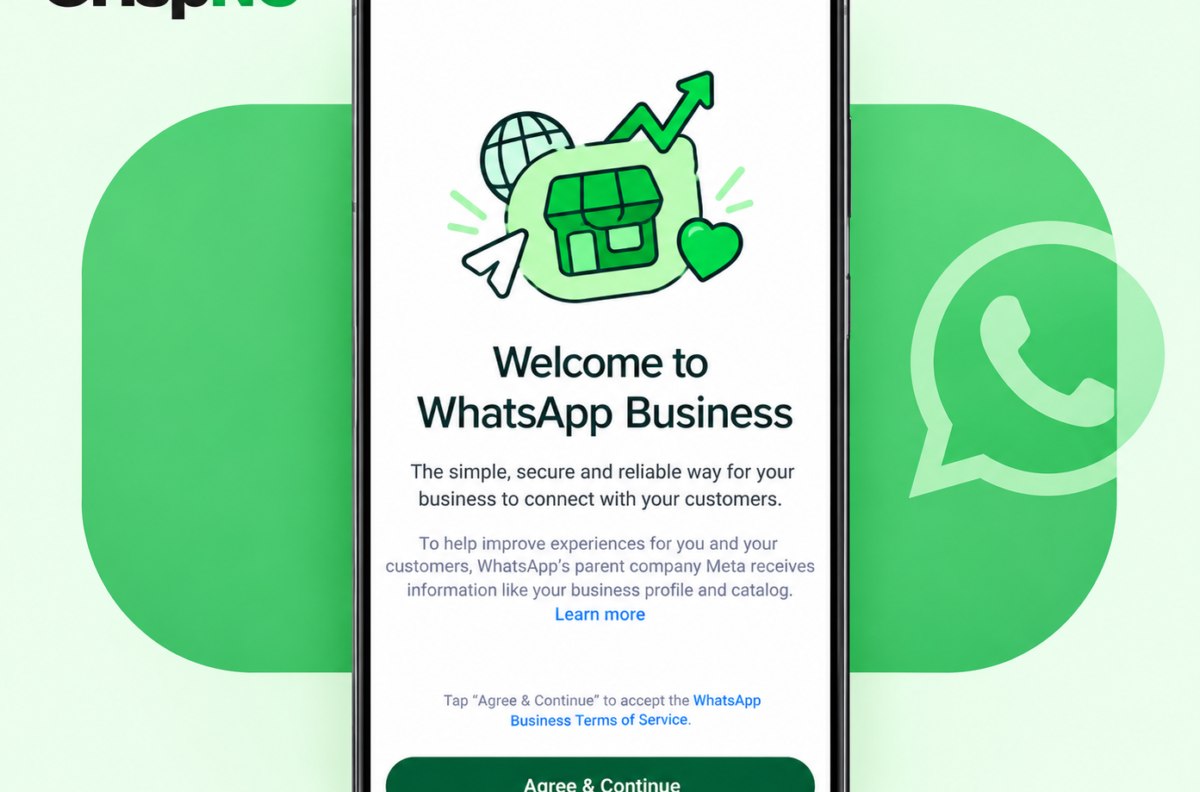
WhatsApp Business charges are now in effect for certain businesses using the WhatsApp Business Platform.
Meta, WhatsApp’s parent company, began charging for service messages on October 1, 2026.
The change affects businesses that use the WhatsApp Business Platform to communicate with customers. It does not mean that ordinary WhatsApp users must pay to send messages.
It also does not affect most small businesses that use the regular WhatsApp Business app on their phones.
The new system mainly concerns businesses that connect WhatsApp to customer service software, automated systems and other business tools.
WhatsApp Business charges: What changed on October 1?
Before October 1, some WhatsApp Business Platform messages were free.
That included service messages sent after a customer contacted a business.
Meta has now changed that arrangement.
From October 1, businesses must pay for delivered service messages after their free monthly allowance.
Meta says each business phone number gets 1,000 free service messages every month.
The allowance does not carry over to the next month.
Once a business exceeds the monthly allowance, Meta charges for additional service messages.
The rate depends on the market.
Meta also says service messages have no volume-based discount tiers.
What is a WhatsApp service message?
A service message is a response to a customer who has already contacted a business.
For example, imagine a customer sends a message to a bank on WhatsApp.
The bank may reply with information about the customer’s complaint.
A delivery company may also respond to a customer asking about an order.
An online store could answer a question about a purchase.
These are examples of customer service conversations.
The business can send this type of non-template response during an open 24-hour customer service window.
The window starts when the customer sends a message to the business.
It can also reset when the customer sends another message.
The important point is that the new charge applies to business messages, not ordinary personal chats.
WhatsApp Business charges: Which businesses are affected?
The main businesses affected are those using the WhatsApp Business Platform.
The platform was formerly known as the WhatsApp Business API.
It allows companies to connect WhatsApp to other systems.
These systems can include customer relationship management tools, chatbots, online stores and customer support platforms.
The affected businesses include companies that use the platform directly.
They also include businesses that access it through WhatsApp Solution Providers.
This means large companies that manage thousands of customer conversations on WhatsApp are among those most likely to notice the change.
Examples include banks, fintech companies, telecommunications firms, e-commerce businesses, logistics companies and large retailers.
PUNCH previously reported that Nigerian companies in these sectors could face additional messaging costs under the new system.
What about small businesses using WhatsApp Business?
This is where the distinction becomes important.
A business that uses the ordinary WhatsApp Business app on a phone is not the same as a business using the WhatsApp Business Platform.
The WhatsApp Business app is designed for businesses that manage conversations directly from their phones.
The Business Platform is designed for companies that connect WhatsApp to other software and manage customer communication at scale.
So, if a small business owner uses the WhatsApp Business app to chat with customers, the October 1 change does not suddenly mean the owner must pay Meta for every reply.
The new charges apply to the Business Platform.
TechPoint Africa also confirmed that the regular WhatsApp Business app remains separate from the paid Business Platform.
WhatsApp Business charges: What happens without a payment method?
Meta also introduced a payment requirement for affected accounts.
It warned Solution Providers and businesses with direct integrations to add a payment method to their messaging accounts by September 30.
Businesses that failed to do so risk having their service messages stopped once the new charges took effect on October 1.
In simple terms, an affected business cannot ignore the new billing system and expect its service messages to continue normally.
Meta says businesses can pay through available billing options.
Businesses that access the platform directly can use options such as a credit card or a credit line.
Businesses working with Solution Providers may have their usage billed through those providers.
Will customers pay for WhatsApp messages?
No, not for ordinary WhatsApp conversations.
The October 1 change is a business messaging charge.
It does not introduce a fee for people who use WhatsApp to chat with friends and family.
A customer who sends a WhatsApp message to a friend will not suddenly receive a bill from Meta.
The same applies to ordinary personal voice and video calls.
The change also does not turn the standard WhatsApp Business app into a paid messaging service.
The main cost falls on businesses using the WhatsApp Business Platform.
Why is Meta introducing the charge?
Meta has been moving WhatsApp Business towards a wider per-message pricing system.
The company already charges businesses for several types of messages, including marketing, utility and authentication messages.
The October 1 change expands that system to service messages.
Meta says it charges for messages that are successfully delivered.
The company also maintains different pricing categories for business communication.
For Nigerian businesses, the change could matter most to companies that handle very large volumes of customer conversations.
A bank, for example, may use WhatsApp to handle customer complaints.
A logistics company may use it to respond to delivery questions.
An online retailer may use it to communicate with buyers.
The more chargeable messages a business sends, the more the new pricing system can affect its communication costs.
What businesses should know now
The October 1 change is therefore real and already in effect.
But it is not a new charge on ordinary WhatsApp users.
It is also not a blanket charge on every small business using WhatsApp Business.
The key question is which WhatsApp product a business uses.
Businesses using the WhatsApp Business Platform should check their billing arrangements and payment method.
They should also monitor the number and type of messages they send each month.
Businesses using the regular WhatsApp Business app do not fall into the same category.
For customers, there is no new per-message charge for normal WhatsApp conversations.
The major change is on the business side, where Meta has begun charging for service messages on the WhatsApp Business Platform after the monthly free allowance.
Businesses can also review the official for current information on pricing and billing.
For more on WhatsApp’s changing business features, see CrispNG’s earlier explainer on .