

US removes tariffs on some Canadian goods from Oct. 30 — what changes?

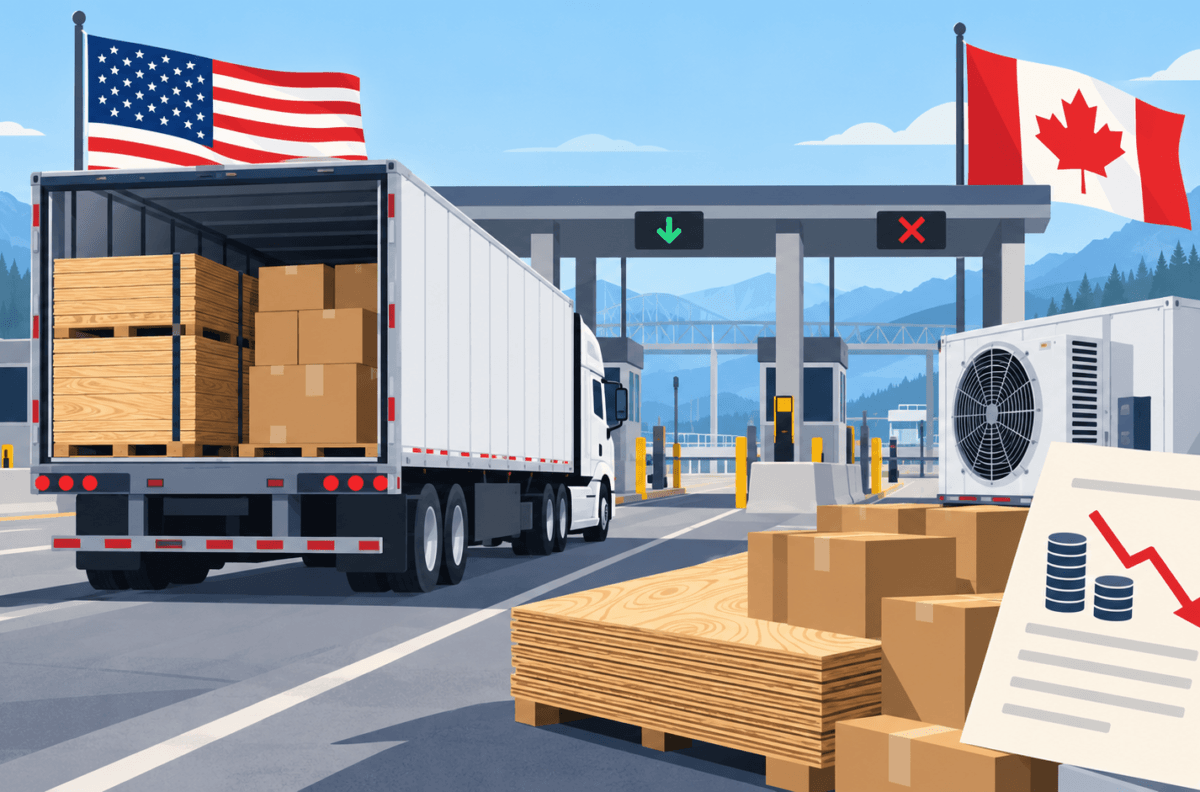
Illustration: a conceptual depiction of US-Canada trade, not an actual shipment.
The United States is changing which Canadian products face its additional 50% tariff from October 30. The change removes some goods from the covered list and adds others, making it a targeted revision rather than a broad rollback of the trade measure.
The reader’s key question is whether the new order means Canadian exporters can resume shipping without the levy. The answer depends on the product’s exact customs classification: the White House says the remaining tariff still applies to covered goods, regardless of whether they qualify for USMCA treatment.
Which Canadian products are coming off the list?
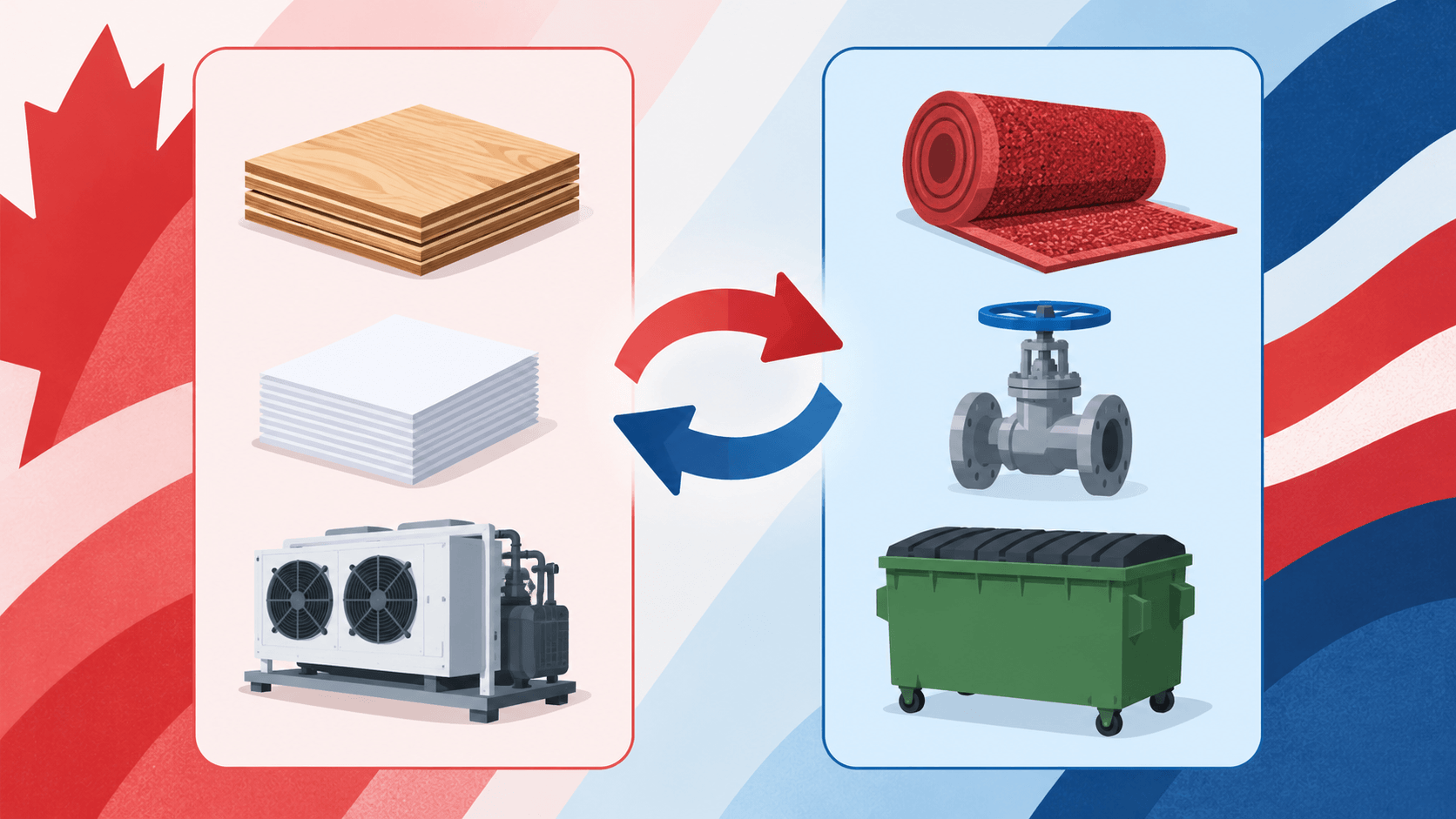
The White House fact sheet names plywood sheets, certain paper products, machinery, refrigeration equipment and packing crates or boxes among the products removed. Reporting by the Associated Press and CBS also identifies seaweed products in the exemptions announced by Senator Susan Collins. The legal order’s annex uses detailed tariff classifications, so those broad descriptions do not mean every product in each category is exempt.
Importers should check the product’s precise Harmonized Tariff Schedule code and the order’s annex before assuming a shipment is covered. A product’s everyday name may not match its customs classification.
Some goods are being added, too
The revision is not one-way relief. The White House says certain valves, carpets and waste products are being added to the list, alongside other specified items. In practical terms, the administration is moving particular product lines in and out of the measure rather than ending the tariff for Canadian imports as a whole.
When does the change take effect?
The order sets October 30, 2026, at 12:01 a.m. Eastern time as the effective point for the revised scope. Until then, importers should not treat the announced list as already in force. The 50% additional duty continues to apply to products that remain covered, and the proclamation says it is imposed in addition to applicable Section 232 duties.
The proclamation also says the measure applies regardless of whether a product is entered under the United States-Mexico-Canada Agreement. That means USMCA origin alone does not remove a product from this particular tariff; the revised product list and any other applicable duties still matter.
Why has Maine become part of the story?
Collins, a Republican senator from Maine facing a closely watched re-election contest, said she pressed for exemptions affecting products linked to the state’s blueberry, potato, apple and seaweed industries. The Associated Press and Reuters describe the announcement against the backdrop of that race and the November 3 midterm elections.
The timing is politically notable, but the available documents do not establish that electoral considerations caused the White House decision. The administration presents its action as a change to the scope of tariffs responding to what it calls Canadian discrimination against US commerce. That is the White House’s stated rationale, not an independent finding about the policy’s effects.
Does this signal a wider US-Canada trade deal?
Not by itself. The order changes a defined set of tariff classifications; it does not announce that the 50% measure has ended or that all Canadian goods are exempt. Canada’s response and the longer-term effect on trade depend on further negotiations and how customs authorities apply the detailed annex.
For background on the wider impact of cross-border tariffs, see CrispNG’s report on Canadian manufacturers’ decisions amid US trade pressure.
Sources: White House fact sheet; signed proclamation and annex; Associated Press; Reuters; CBS News; The Canadian Press via CityNews.