

UAE beach closures widen after spill as Ras Al Khaimah gives no reason

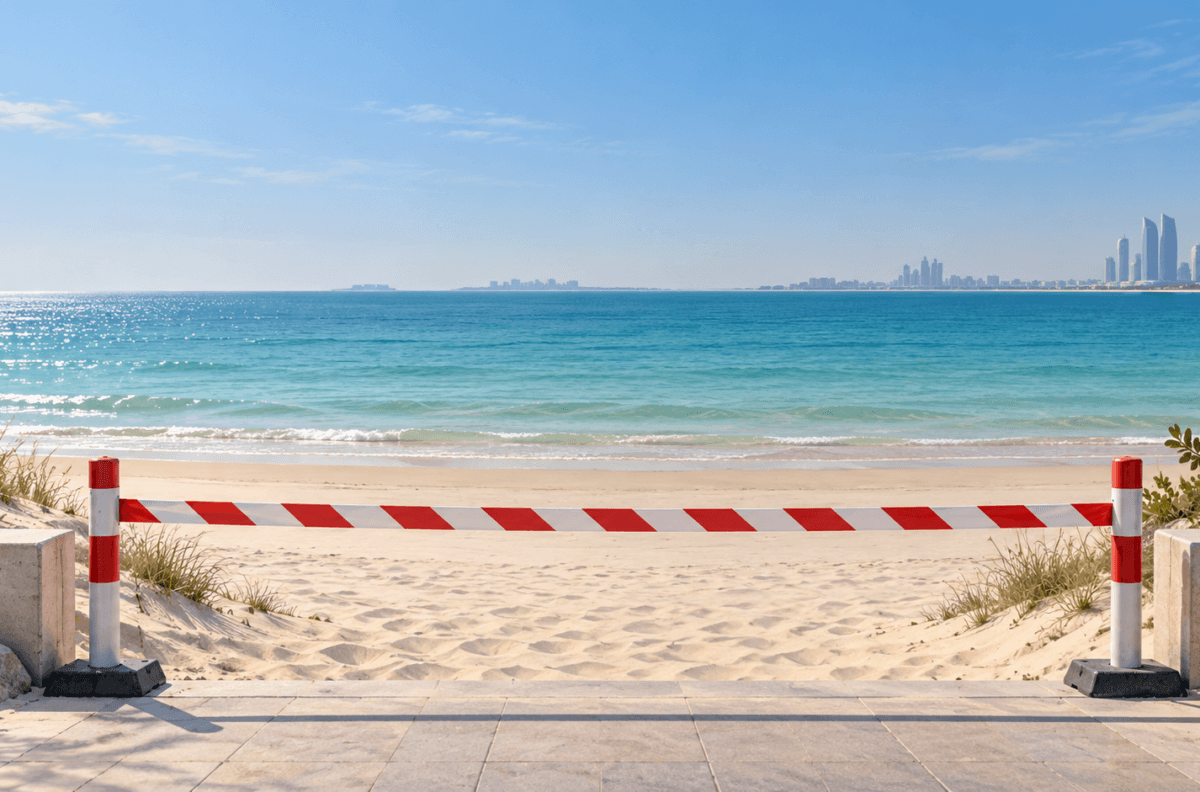
Illustration: a conceptual depiction of a coastal closure, not a photograph of the UAE.
All public beaches in Ras Al Khaimah were ordered closed until further notice on Saturday, widening restrictions along the United Arab Emirates’ northern coast. The closure follows confirmed oil pollution on beaches in nearby Umm Al Quwain, but Ras Al Khaimah’s authorities have not said why they issued their order or linked it to the spill.
That distinction matters for residents and visitors asking which coastlines are affected, whether beaches can reopen soon and what the official safety advice covers.
What is confirmed about the closures
Ras Al Khaimah’s Public Services Department, in coordination with police, announced that all public beaches in the emirate would remain closed until further notice. The announcement gave no specific reason and set no reopening date, according to Reuters and Gulf News.
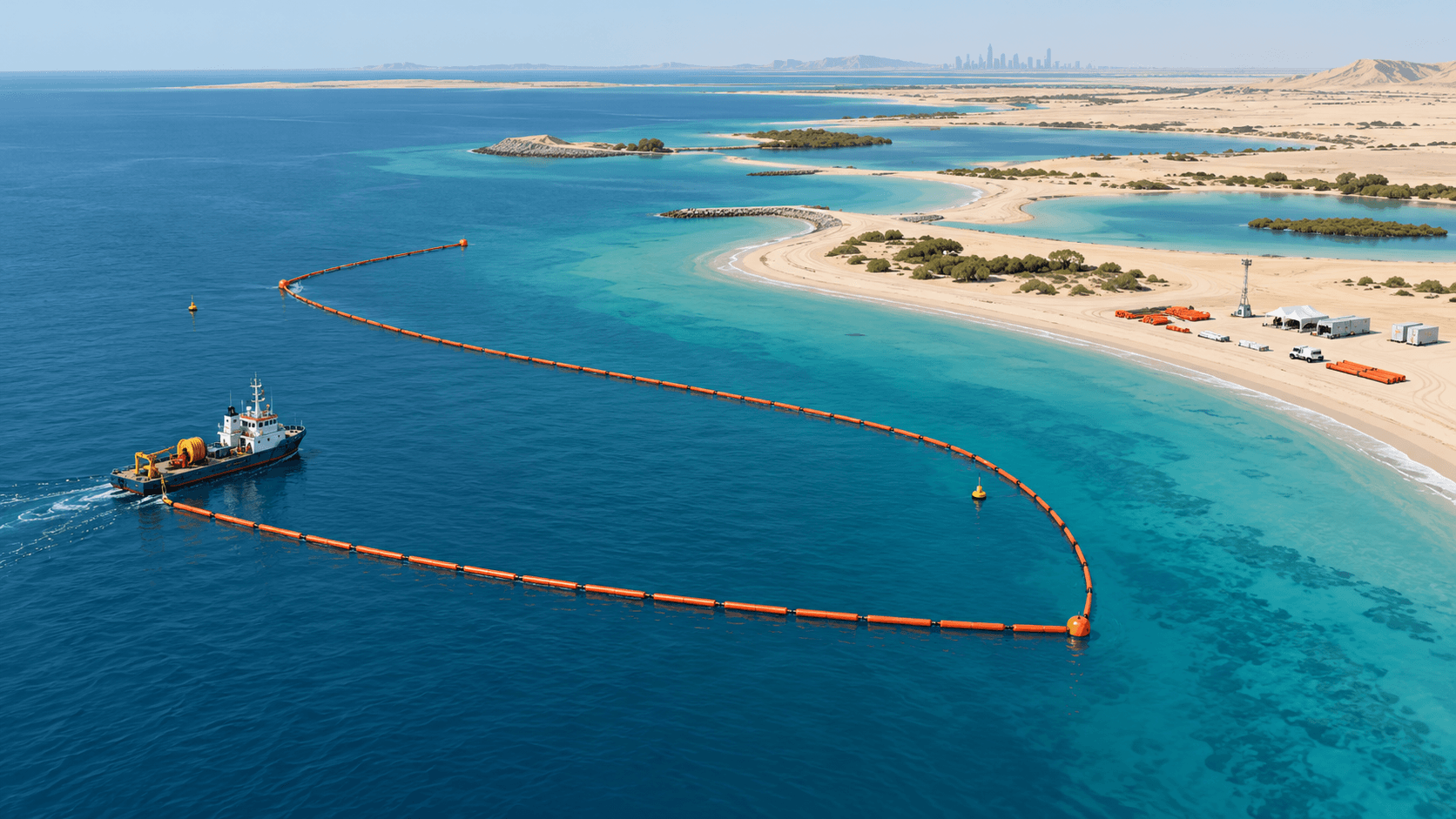
Separately, the UAE Ministry of Climate Change and Environment confirmed that a tanker oil spill had affected beaches in Umm Al Quwain. The ministry said containment, clean-up and environmental assessment work was under way, and all beaches and coastal areas there were closed while technical teams assess conditions. Aletihad’s report on the ministry statement says officials also urged fishermen and other sea users to avoid affected areas. Sharjah separately closed Al Hamriyah Beach as a precaution, Reuters reported.
Is the Ras Al Khaimah order because of the spill?
Authorities have not confirmed a link. The timing places the Ras Al Khaimah closure after the spill was reported in Umm Al Quwain and Sharjah, but chronology alone does not establish the reason for the new order. The tanker involved and the cause of the leak have also not been publicly identified, Reuters reported.
The Ministry’s reported assurance that unusual odours in Sharjah, Ajman and Umm Al Quwain posed no health risk is limited to those odours. It is not a general declaration that closed beaches or affected water are safe to use. The ministry’s advice to avoid fishing in affected areas remains the practical instruction for sea users.
What residents and visitors should do
Follow the closures and local authority notices, stay away from restricted coastal areas and do not fish in locations identified as affected. Wait for official reopening announcements rather than relying on speculation about the spill’s source or its environmental effects. The UAE’s wider shipping risks are explained in CrispNG’s guide to the Strait of Hormuz and the global oil corridor.
Key unanswered questions include how much oil has entered the coastal environment, how far the pollution has spread, what the assessments find and when each emirate will reopen its beaches. No public timetable has been announced.
Sources: UAE Ministry of Climate Change and Environment statement, as reported by Aletihad; Reuters; Gulf News.