

What is Monkey Tail? What to know about local drink that killed 49 in Ondo

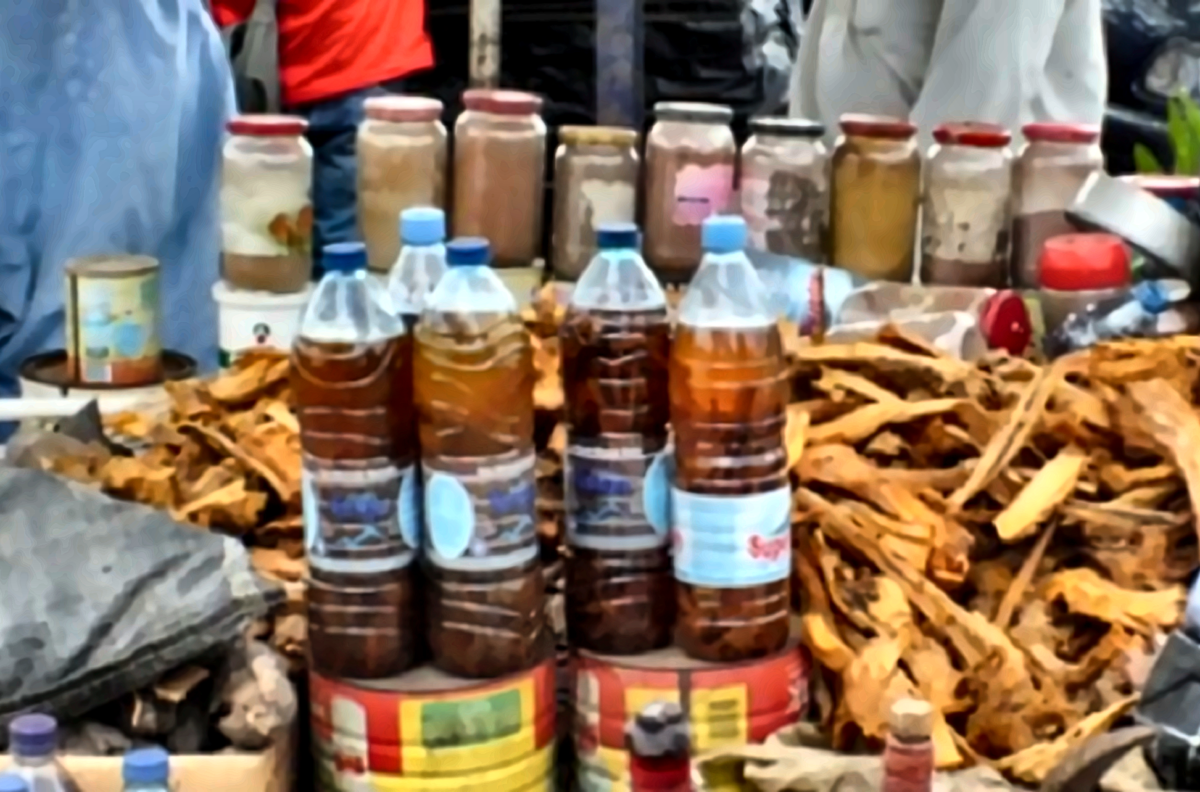
The death of 49 people in Ondo State has drawn attention to “Monkey Tail,” a locally produced alcoholic drink that authorities are investigating following a suspected poisoning outbreak.
About 170 people have reportedly been affected, with deaths recorded in communities in Odigbo and Irele Local Government Areas.
The growing death toll has raised a question many Nigerians may now be asking: What exactly is Monkey Tail, and how could a locally produced drink be linked to such a deadly outbreak?
Here is what is known so far.
What is Monkey Tail?
Monkey Tail is a name used locally for an alcoholic drink or herbal alcoholic mixture produced outside the conventional commercial beverage industry.
Reports from the affected communities describe the substance as a locally made alcoholic drink, although the exact ingredients of the product consumed by the victims have not been publicly established.
That distinction is important.
Authorities are investigating the contents of the drink and the circumstances surrounding the deaths. Therefore, it would be premature to conclude that every product referred to as “Monkey Tail” contains the substance suspected of causing the Ondo deaths.
The investigation is instead focused on identifying the toxic substance and establishing how it entered the drink consumed by the victims.
How did Monkey Tail become linked to the Ondo deaths?
The outbreak was first reported in communities around Odigbo Local Government Area, where several people became ill and died after consuming locally produced alcoholic or herbal mixtures.
The number of deaths continued to rise as more cases were identified.
Ondo State Commissioner for Health, Dr Banji Ajaka, said on Wednesday that the death toll had reached 49, with about 170 people affected.
Eight of the deaths were recorded in Irele Local Government Area, while other fatalities were recorded in Odigbo communities.
The state government has deployed health officials to affected communities and is working with agencies including the National Agency for Food and Drug Administration and Control, the National Drug Law Enforcement Agency, the police, the Department of State Services and the Nigeria Security and Civil Defence Corps.
Authorities have also moved to restrict the production and sale of locally brewed alcoholic and alcoholic-herbal drinks in affected areas. (punchng.com)
Is methanol responsible?
Methanol poisoning is one of the major suspicions being investigated, but authorities have not yet publicly established it as the definitive cause of all 49 deaths.
The police arrested a man identified as Oloruntoba Babatunde, popularly known as “Meko”, over the production of a herbal liquid substance suspected to contain methanol.
Police said samples recovered during the investigation were being subjected to forensic examination.
The bodies of some victims were also undergoing medical and forensic examination to establish the cause of death. (legit.ng)
This means the methanol connection should still be described as suspected, rather than established fact.
Why is methanol dangerous?
Methanol is a form of alcohol, but it is different from ethanol, the type of alcohol found in beverages intended for consumption.
Methanol is used in industrial products and can be highly toxic when swallowed.
According to the US Centers for Disease Control and Prevention, methanol poisoning can cause headache, dizziness, nausea, vomiting, confusion and drowsiness. More severe poisoning can lead to visual problems, blindness, seizures, coma and death. (cdc.gov)
One reason methanol poisoning can be particularly dangerous is that serious symptoms may not appear immediately.
The CDC says symptoms can develop between one and 72 hours after exposure.
During that period, a person may not realise that they have consumed a potentially fatal substance.
How does methanol end up in alcoholic drinks?
Methanol can become a serious public health problem when alcoholic beverages are improperly produced or deliberately adulterated.
The World Health Organisation has documented outbreaks of methanol poisoning associated with adulterated alcoholic beverages.
Informally produced alcoholic drinks can be particularly difficult for consumers to assess because they may not have undergone the same quality-control processes required for regulated commercial products. (who.int)
This does not mean every locally produced alcoholic drink contains methanol.
Rather, the risk is that consumers may have no reliable way of knowing whether an unregulated product has been contaminated or improperly produced.
Why can methanol poisoning kill people?
The danger becomes clearer after the body processes methanol.
The substance is metabolised into compounds that can cause a dangerous build-up of acid in the blood and damage the body’s organs, particularly the visual system.
According to the CDC, severe methanol poisoning can result in blindness, permanent neurological damage and death. (cdc.gov)
That is why someone who appears to have simply consumed too much alcohol may actually require urgent medical treatment if methanol exposure is suspected.
Why did people continue drinking it?
The delayed symptoms associated with methanol poisoning can make an outbreak difficult to recognise at the beginning.
Someone may consume a contaminated drink and initially experience no severe symptoms.
As the toxic effects develop, the person may begin experiencing headache, vomiting, dizziness, abdominal pain or problems with their vision.
Without knowledge of the possibility of methanol poisoning, those symptoms may initially be mistaken for ordinary alcohol intoxication or another illness.
This is one reason health authorities stress the importance of quickly identifying the source of suspected poisoning and treating affected people.
What are Ondo authorities doing?
The Ondo State Government has deployed medical teams to the affected communities and intensified surveillance as investigators try to establish the source of the suspected poisoning.
The government is also working with federal security and regulatory agencies to investigate the production and distribution of the substances involved.
Police investigations have resulted in arrests, while samples are being examined to determine their composition.
The authorities have also taken steps against the production and sale of locally brewed alcoholic and herbal alcoholic drinks in affected areas. (punchng.com)
What should people know about locally produced alcoholic drinks?
The Ondo deaths have highlighted a broader public-health concern around alcoholic drinks produced outside regulated systems.
Consumers may not know the exact ingredients, concentration of alcohol or production conditions of such products.
The WHO has warned that illicitly or informally produced alcohol can be associated with additional risks, including contamination with toxic substances. (who.int)
However, the Ondo investigation is still ongoing.
It is therefore important not to treat every locally produced drink as poisonous or assume that every product called Monkey Tail contains methanol.
The specific substance responsible for the deaths still has to be established through laboratory and forensic investigations.
What is still unknown?
Several important questions remain unanswered.
Authorities still need to establish the precise toxic substance involved, where it came from, how it entered the drink, who produced it and how widely it was distributed.
They also need to determine whether all 49 deaths were caused by the same substance and whether other potentially contaminated products remain in circulation.
Until those questions are answered, the methanol connection remains a major line of investigation rather than a final medical conclusion.
What is already clear is the scale of the tragedy.
Forty-nine people have died, about 170 people have been affected and authorities are investigating a suspected poisoning outbreak linked to locally produced alcoholic mixtures in Ondo.
The investigation into what was inside the drink may ultimately determine whether “Monkey Tail” was simply the name attached to the outbreak — or whether a particular toxic ingredient turned a locally consumed drink into a deadly product.