

What Is at Stake in America’s 2026 Midterm Elections? Five Things to Know

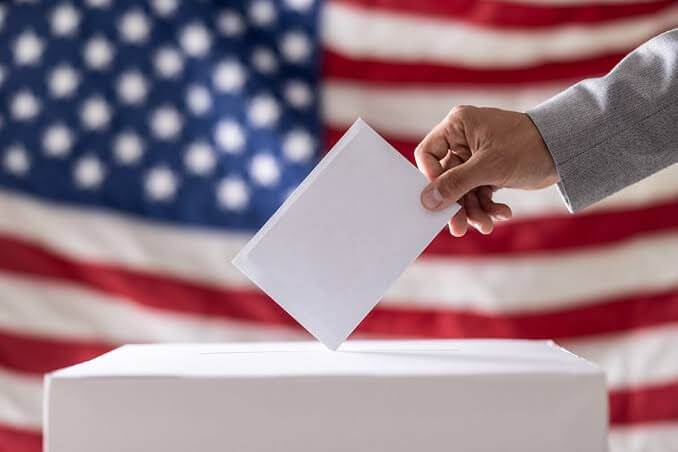
Americans will head to the polls on Tuesday, November 3, to elect lawmakers and governors in an election that could reshape the country’s political landscape.
The 2026 midterm elections will determine whether Republicans retain control of Congress or Democrats take over one or both chambers.
Although President Donald Trump is not seeking re-election, the outcome could affect his ability to implement policies during the final two years of his presidency.
Here are five things to know about the elections and what is at stake.
1. Americans are not voting for a president
Unlike the 2024 general election, Tuesday’s vote will not determine who occupies the White House.
Instead, Americans will elect members of Congress and officials at state level.
The elections are called midterms because they take place halfway through a president’s four-year tenure.
Trump won the 2024 presidential election and began his second term in January 2025. He will remain president regardless of the outcome of Tuesday’s congressional elections.
However, the results will determine which party controls the legislative branch of government.
2. All 435 House seats and 35 Senate seats are up for election
One of the biggest contests will take place in the US House of Representatives.
All 435 voting seats in the chamber are being contested. Members of the House serve two-year terms, meaning they face re-election every two years.
The Senate has a different arrangement because its members serve six-year terms.
This year, 35 of its 100 seats are being contested. The figure includes 33 regular elections and two special elections.
Republicans currently hold narrow majorities in both chambers.
They have 218 seats against 214 held by Democrats in the House, with two vacancies. In the Senate, Republicans hold a 53-47 majority.
Democrats need a net gain of four seats in each chamber to take control.
3. Trump could lose control of Congress
The election presents a major test for Trump’s administration.
If Democrats take control of either chamber, they could make it more difficult for the president to advance his legislative agenda.
A Democratic majority in the House would also give the party control of important committees and greater authority to investigate the administration.
Democrats could use congressional hearings to examine government policies, spending decisions and the conduct of officials.
If Republicans retain both chambers, Trump would have a more supportive Congress to advance his priorities.
The outcome will therefore determine the balance of power between the White House and lawmakers.
4. Cost of living and immigration are major election issues
The economy is among the issues shaping the campaigns.
Rising costs of food, housing, healthcare and fuel have become major concerns for American voters.
Immigration is another important issue, particularly following Trump’s stricter enforcement policies.
Republicans have defended their approach to border security, while Democrats have criticised aspects of the administration’s immigration enforcement.
Other issues, including healthcare, abortion, artificial intelligence and the US-led war with Iran, could influence individual races.
The election will offer an opportunity to assess how voters view the administration’s handling of these issues.
5. The results could shape the 2028 presidential election
Although the next presidential election is scheduled for 2028, Tuesday’s results could influence the race long before then.
A strong performance by either party could shape its leadership choices, campaign strategy and policy priorities.
For Democrats, winning congressional seats could strengthen the position of politicians seeking to become the party’s next presidential candidate.
For Republicans, retaining control of Congress could reinforce Trump’s influence over the party and its future direction.
The election will also provide an indication of which issues could dominate the next presidential campaign.
However, midterm results do not automatically determine who will win the presidency two years later.
What happens after the election?
The winners of the congressional elections will take office when the 120th US Congress begins in January 2027.
Until then, election officials will count ballots, resolve disputes where necessary and certify the results.
The new balance of power will determine the leadership of both chambers and the direction of congressional activities for the next two years.
For Trump, the results could determine whether he continues working with a Republican-controlled Congress or faces a legislature led by his political opponents.