

What Caused an Oil Rig to Sink Offshore Gabon? 5 Things to Know

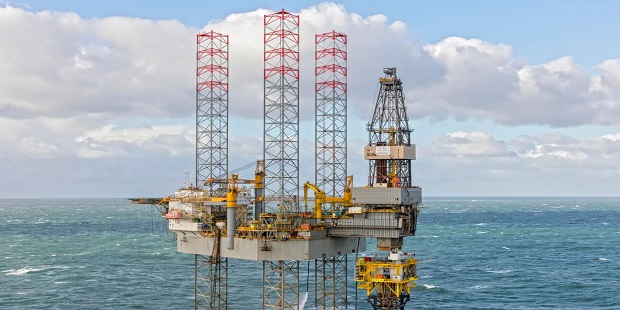
The sinking of the Prospector 5 drilling rig off Gabon left workers missing and disrupted nearby oil operations. A suspected punch-through event during preparatory work has raised questions about seabed stability and offshore drilling safety.
An offshore drilling rig sank off the coast of Gabon on October 24, 2026, leaving five workers initially unaccounted for and prompting a search-and-rescue operation.
The rig, Prospector 5, was conducting preparatory operations in the Dussafu Marin licence area near Mayumba in southern Gabon. According to statements from rig owner Borr Drilling and oil company BW Energy, 115 people were aboard when the incident occurred. Initially, 110 people were accounted for, while five remained missing.
Preliminary information pointed to a punch-through event during preload activities as the cause of the sinking. The incident also disrupted operations at the nearby MaBoMo production facility.
Here are five things to know about the accident, how offshore drilling rigs work and what may have caused the vessel to sink.
1. What Happened to the Prospector 5 Rig?
Prospector 5 was a jack-up drilling rig working in the Dussafu Marin offshore area, where BW Energy operates oil and gas assets.
The rig sank while carrying out preparatory activities for a planned drilling campaign. These activities included preload operations, which help establish whether the seabed can safely support the rig.
Borr Drilling reported that 115 people were aboard when the incident occurred. Although 110 were accounted for, five were initially reported missing.
Later industry reports indicated that one of the five had been found dead, leaving four people missing. However, the casualty figures should be treated with caution until the relevant authorities provide a definitive update.
The incident prompted emergency response efforts involving the companies and Gabonese authorities.
2. What Is a Jack-Up Drilling Rig?
A jack-up rig is a mobile offshore drilling platform designed to operate in relatively shallow waters.
Unlike a conventional ship, which floats on the water while drilling equipment operates from its deck, a jack-up rig uses long, extendable legs that reach down to the seabed.
Once positioned, the rig lowers its legs onto the seabed and raises its main platform above the water. This creates a stable working surface for drilling operations.
Jack-up rigs are commonly used for offshore exploration and development because they can be moved between locations.
However, their stability depends heavily on the condition of the seabed. The ground beneath each leg must support the substantial weight transferred through the structure.
If the seabed cannot provide sufficient support, the rig may tilt, settle unevenly or lose stability.
3. What Is a Punch-Through Event?
A punch-through event occurs when a jack-up rig’s leg suddenly penetrates a weaker layer beneath a stronger surface layer of seabed.
The seabed may appear strong enough to support the rig initially. However, deeper layers can have different soil characteristics and bearing capacities.
During preload operations, engineers apply loads to the rig’s legs to assess how the seabed responds before the platform is fully deployed for operations.
If a leg unexpectedly breaks through a stronger layer and enters weaker material beneath it, that leg can sink suddenly.
This creates uneven support across the rig’s legs. The resulting movement can cause the platform to tilt and place additional stress on its structure.
In severe circumstances, the loss of stability can lead to the rig capsizing or sinking.
Borr Drilling identified a punch-through event as the preliminary explanation for the Prospector 5 incident. However, the precise sequence of events and the factors that contributed to the sinking require further investigation.
4. Why Is Seabed Stability So Important?
Offshore drilling rigs operate under substantial loads. Their legs must transfer the platform’s weight to the seabed without excessive movement.
Before a jack-up rig is installed, operators generally rely on geotechnical surveys and engineering assessments to understand the seabed’s characteristics.
These assessments help determine whether the soil can support the rig and how deeply its legs may penetrate.
However, seabed conditions can vary over relatively short distances. A stronger surface layer may conceal weaker soil underneath, creating challenges for foundation design and installation.
Preload operations are therefore an important part of establishing whether the seabed can support the rig at its intended location.
The investigation into Prospector 5 will need to establish what happened during these operations and whether seabed conditions, engineering factors or other circumstances contributed to the loss of stability.
A preliminary explanation alone does not establish negligence or prove that safety procedures were breached.
5. How Has the Incident Affected Gabon’s Oil Operations?
The sinking has had consequences beyond the immediate search for missing workers.
BW Energy reported that production at the MaBoMo facility was halted following the incident. The rig had been preparing to support a planned drilling campaign in the Dussafu Marin licence area.
The company reported no damage to the production facility or associated equipment. It also said there had been no accidental discharge of harmful substances into the sea from the facility.
However, the suspension highlights how an incident involving a drilling rig can affect wider offshore operations, even when the production infrastructure itself is not reported damaged.
The length of the interruption and any effect on future drilling activities will depend on operational assessments and subsequent decisions.
Meanwhile, the search for missing workers and the investigation into the sinking remain central to the response.
What Happens Next?
Investigators will need to determine the precise cause of the sinking, including the conditions beneath the rig’s legs and the events that occurred during preload operations.
Their findings should help clarify whether seabed conditions, technical factors or other circumstances contributed to the incident.
The investigation will also be important for identifying lessons that could help prevent similar accidents during future offshore drilling operations.
For now, the Prospector 5 incident demonstrates why seabed assessment and foundation stability are critical to jack-up rig operations. It has also placed the safety of offshore workers and the continuity of Gabon’s oil operations under renewed scrutiny.