

Fake Emergency Alerts Hit Ukraine and Russia Apps After Cyberattacks

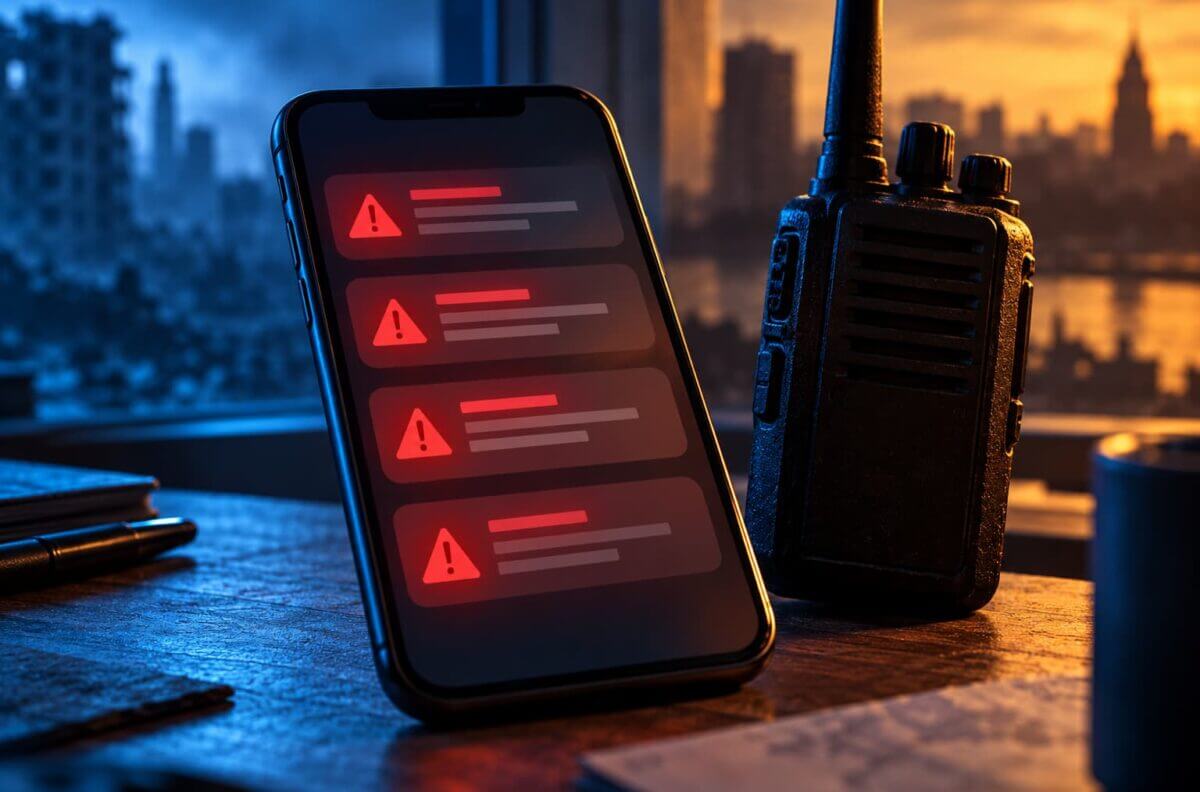
Conceptual artwork created for this report, using generic alert symbols.
False warnings appeared on civilian alert apps in both countries within hours of one another. Officials in Kyiv and Moscow say the compromised apps are being restored, while separate emergency channels remain central to public safety.
Fake emergency alerts were sent through civilian mobile apps in Ukraine and Russia overnight on 1–2 November, including false nuclear, radiation and chemical warnings in Ukraine. Authorities in both countries said hackers interfered with their alert apps, and the incidents renewed questions about how people should verify urgent safety messages during the war.
What happened in the fake emergency alerts?
Ukraine’s Air Alert app was temporarily suspended late on Sunday after its operators reported unauthorised interference. Users received false messages about high radiation levels, a chemical danger, street fighting in Kyiv and an incoming Oreshnik missile, according to the Associated Press and Guardian report.
The official Air Alert channel said the team had disabled push notifications while it addressed the breach and warned people to avoid links in suspicious notifications. By Monday, the channel said the app was returning gradually, with red and yellow danger levels and alert notifications restored while some map functions were temporarily unavailable.
Several hours later, Russia’s Emergency Situations Ministry said its mobile app had been hit by a “massive cyberattack” that enabled false information to reach users. The MChS statement said specialists were fixing a vulnerability and restoring normal app operations. Interfax reported that the ministry said its nationwide alert system continued operating through other channels.
The ministry told the Associated Press that a fake warning had reached 33 of Russia’s 89 regions at about 2.45am Moscow time on Monday. It described the app as separate from the country’s wider warning network, which also uses text messages, radio and television broadcasts, sirens and loudspeakers.
How the app breaches differ from public warning systems
The alerts were delivered through smartphone applications used by civilians. In Ukraine, the Air Alert app provides regional air-raid notifications during regular Russian missile and drone attacks. Russia’s Emergency Situations Ministry app provides supplementary alerts alongside the established channels used by emergency services.
Ukraine’s air force spokesman Yurii Ihnat told broadcaster 1+1 that the civilian app operates separately from military command systems, according to the Associated Press. Russian officials likewise said the incident concerned the app, while the nationwide alert network kept functioning through sirens, SMS and broadcasts.
Officials described separate incidents hours apart. Their public statements named no attacker and offered no connection between the events. A Russian Telegram channel relayed a hacker group’s claim about Ukraine’s app; the Associated Press and the Guardian report said independent reporting left the attribution unverified.
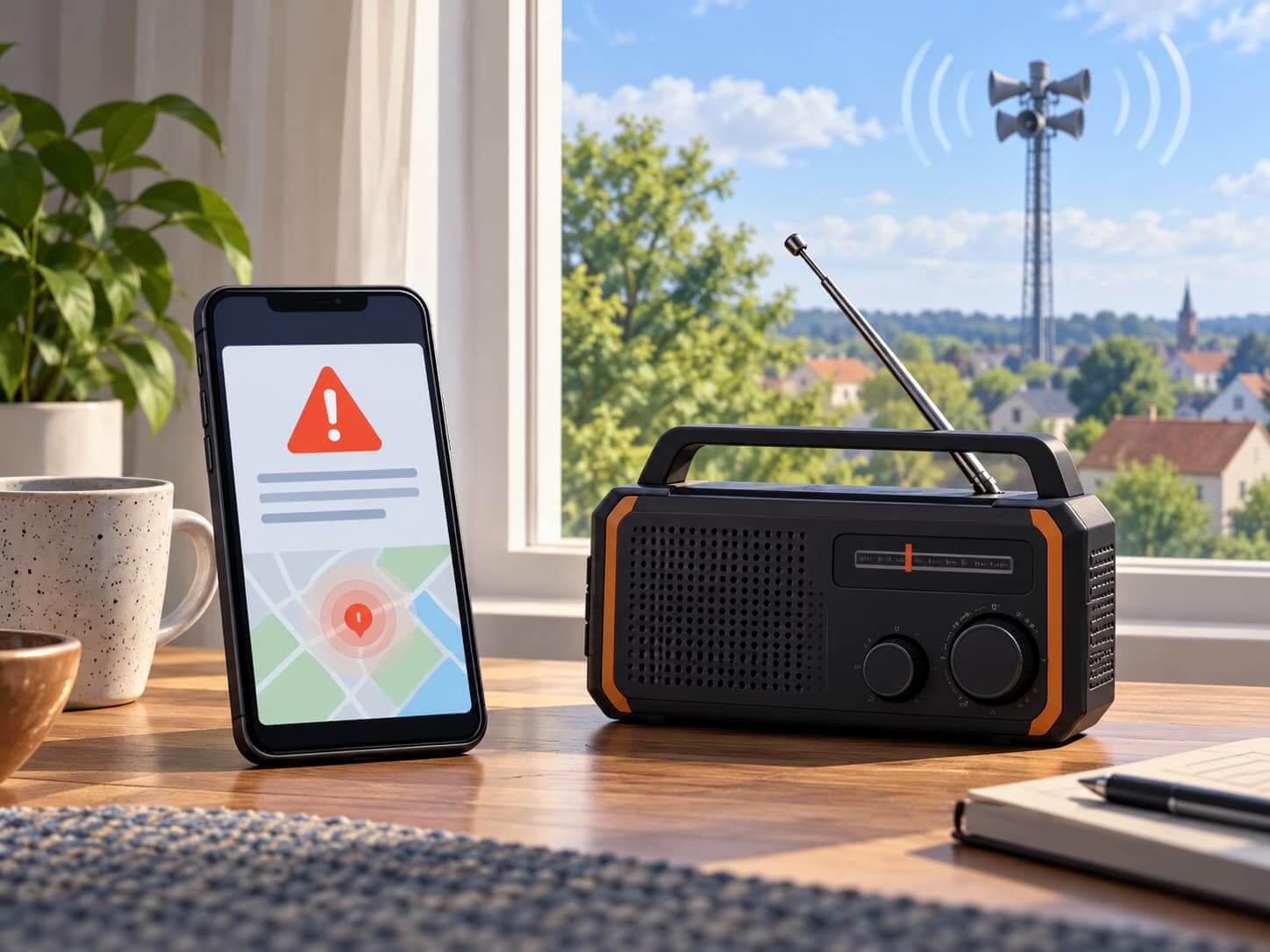
What users should do when an alert looks suspicious
Residents should check warnings against their regional emergency authority, official government channels and established public alert systems. In Ukraine, the Air Alert channel advised users to follow its updates and use physical alerts while the app team restored service. In Russia, the ministry pointed users towards its confirmed accounts and the national warning network.
Suspicious push notifications that contain unexpected links should be treated cautiously. Users can check an alert through a second trusted source, such as a local authority announcement, an SMS warning, radio or television, and follow instructions from sirens and emergency personnel. A single notification should never prompt people to share credentials or personal information through an unfamiliar link.
The app status may change as technical teams restore service. Ukraine’s channel reported a gradual return of alerts on Monday, while Russia’s ministry said specialists were working to restore its app. People in affected areas should keep trusted official channels available and review local guidance as updates arrive.
Frequently asked questions
What happened to Ukraine’s Air Alert app?
Its operators reported unauthorised interference on Sunday night, suspended some functions and later began restoring alerts in stages.
Were the nuclear warnings real?
Ukrainian authorities described the nuclear, radiation and chemical messages as false alerts sent through the compromised app.
Was Russia’s national alert system affected?
Russia’s Emergency Situations Ministry said the breach involved its app and that the wider warning network continued through sirens, SMS, broadcasts and loudspeakers.
Who carried out the attacks?
Public statements from Ukraine and Russia named no attacker. A claim circulated by a Russian Telegram channel remained unverified by independent reporting.
How should residents verify an emergency warning?
Check regional authority updates and official emergency channels, and follow instructions delivered by sirens, SMS, radio, television and emergency personnel.