

Washington, DC heat wave shatters 154-year record as 102°F temperatures trigger health alerts and July 4 disruptions

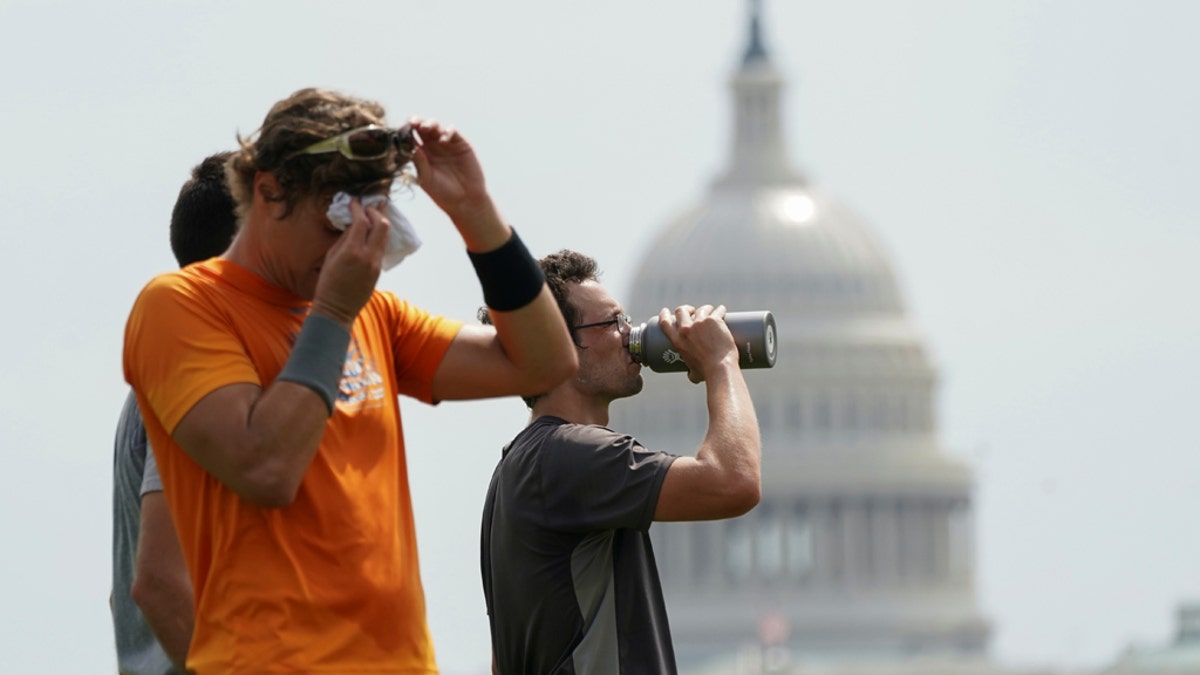
Record-breaking heat wave grips Washington, DC ahead of July 4. Image Credit: Fox News
A dangerous extreme heat wave has engulfed Washington, DC, breaking a temperature record that had stood for more than 150 years while prompting emergency health alerts, event cancellations and expanded public safety measures ahead of the Fourth of July celebrations.
The nation’s capital reached 102 degrees Fahrenheit (39°C) on Friday, surpassing the previous July 3 record of 101°F set in 1872, according to weather officials. Forecasters warned that Saturday could be even hotter, with temperatures again expected to reach 102°F, potentially making it the hottest Independence Day ever recorded in Washington, DC.
The prolonged heat is part of a broader weather emergency affecting much of the eastern United States, where millions remain under dangerous heat alerts and hospitals are reporting a surge in heat-related illnesses.
Washington, DC Sets New Heat Record
Friday’s triple-digit temperatures officially rewrote Washington’s weather history.
The city climbed to 102°F, breaking a record that had stood since 1872. Combined with oppressive humidity, the heat index, or the “feels like” temperature, was forecast to approach 109°F, creating hazardous outdoor conditions for residents and tourists.
Meteorologists warned that the combination of high temperatures and humidity significantly increases the risk of heat exhaustion and heat stroke, particularly during prolonged outdoor exposure.
The National Weather Service has continued its Extreme Heat Alert through July 5 as dangerous conditions persist.
Fourth of July Celebrations Disrupted by Dangerous Heat
The historic heat has forced organizers to modify or cancel several Independence Day events across the region.
In Washington, DC:
- The annual July Fourth Parade was canceled.
- President Donald Trump’s Great American State Fair delayed its opening by two hours.
- Additional water stations, cooling tents and air-conditioned buses were deployed across the National Mall.
- Emergency medical teams were expanded to assist visitors expected to attend holiday festivities.
Officials urged anyone attending fireworks displays or outdoor celebrations to remain hydrated, seek shade frequently and avoid strenuous activity during peak afternoon temperatures.
CDC Reports Spike in Heat-Related Emergency Room Visits
The Centers for Disease Control and Prevention (CDC) reported “extremely high” rates of heat-related emergency department visits across several northeastern states as the heat wave intensified.
Health officials warned that emergency room visits could continue increasing through the holiday weekend.
The greatest risks are facing:
- Older adults
- Young children
- Outdoor workers
- Individuals with chronic medical conditions
- People without reliable air conditioning
Heat-related illnesses can develop rapidly, especially when humidity prevents sweat from effectively cooling the body.
Medical experts recommend drinking water regularly, limiting outdoor activity during the hottest hours and recognizing early warning signs such as dizziness, nausea, heavy sweating and confusion.
READ ALSO
Heat Wave Spreads Across the Eastern United States
Washington is not alone in experiencing record-breaking temperatures.
More than a dozen cities across the Mid-Atlantic and Northeast either tied or broke daily temperature records.
Philadelphia approached 100°F, while New York City also experienced temperatures near triple digits. Heat index values in several metropolitan areas climbed above 105°F, making outdoor conditions even more dangerous than the thermometer suggested.
Several cities opened cooling centers, hydration stations and emergency shelters to protect vulnerable populations.
Officials in Philadelphia declared a Heat Health Emergency, while New York City activated hundreds of cooling centers and mobile medical units.
Power Grid Under Pressure as Electricity Demand Surges
The intense heat has also placed extraordinary strain on electrical infrastructure.
With millions relying on air conditioning, electricity demand has surged across much of the eastern United States.
Energy Secretary Chris Wright directed several large electricity users, including Mid-Atlantic data centers, to temporarily rely on backup power systems in an effort to reduce pressure on the regional electrical grid.
Meanwhile, thousands of customers in the New York metropolitan area experienced power outages as utility crews worked to restore service amid overwhelming demand.
Utility providers have encouraged residents to conserve electricity by raising thermostat settings where possible and reducing unnecessary power usage.
Climate Scientists Link Heat Wave to Global Warming
Climate researchers say the severity of this week’s heat event reflects a growing trend of increasingly intense summer temperatures.
According to an analysis by World Weather Attribution, the combination of extreme heat and humidity affecting the eastern United States would have been “virtually impossible” without the influence of human-caused climate change driven largely by fossil fuel emissions.
Scientists note that rising nighttime temperatures are also making heat waves more dangerous because people receive less overnight relief, increasing cumulative health risks over multiple days.
Heat remains the deadliest weather-related hazard in the United States, claiming more lives annually than hurricanes, tornadoes or floods.
Relief May Finally Be on the Way
Forecasters expect gradual improvement beginning Sunday as cooler air slowly moves into portions of the Northeast and Great Lakes.
By early next week, temperatures across Washington, Philadelphia and New York are forecast to return closer to seasonal averages, with highs generally in the 80s.
However, portions of the Southeast may continue experiencing above-average heat into the following week.
Until then, emergency management officials continue urging residents to monitor weather alerts, stay indoors during peak afternoon heat whenever possible and check on elderly neighbors and vulnerable family members.
As millions celebrate Independence Day, authorities emphasise that protecting personal health should remain just as important as holiday festivities.
FAQ
Why is Washington, DC experiencing an extreme heat wave?
Washington, DC is being affected by a powerful heat dome that has trapped hot, humid air over much of the eastern United States. Combined with high humidity, temperatures have reached dangerous levels, creating life-threatening heat conditions.
What temperature did Washington, DC reach during the heat wave?
Washington reached 102°F (39°C) on July 3, 2026, breaking the previous record of 101°F that had stood since 1872. Forecasts indicated similar temperatures for July 4.
Is this Washington, DC’s hottest Fourth of July?
If temperatures reach the forecast high of 102°F on July 4, 2026, it would become the hottest Independence Day ever recorded in Washington, DC.
Why was the Washington, DC July Fourth parade canceled?
City officials canceled the parade because of dangerous heat and the elevated risk of heat-related illnesses for participants, spectators and emergency personnel.
What is the heat index, and why is it important?
The heat index combines air temperature and humidity to show how hot it actually feels. During this heat wave, Washington’s heat index was expected to reach around 109°F, making outdoor conditions significantly more dangerous.
What did the CDC say about the heat wave?
The CDC reported “extremely high” rates of heat-related emergency room visits across several northeastern states, warning that cases could continue increasing during the holiday weekend.
Who is most at risk during extreme heat?
Older adults, infants and children, outdoor workers, people with chronic illnesses, athletes and individuals without access to air conditioning face the highest risk of heat exhaustion and heat stroke.
How can people stay safe during the Washington, DC heat wave?
Officials recommend drinking plenty of water, limiting outdoor activities during the hottest part of the day, wearing lightweight clothing, taking frequent breaks in air-conditioned spaces and checking on elderly relatives and neighbors.
Is climate change contributing to this heat wave?
Scientists from World Weather Attribution concluded that the intensity of the current heat wave would have been “virtually impossible” without human-caused climate change driven largely by fossil fuel emissions.
When will the Washington, DC heat wave end?
Meteorologists expect gradual relief beginning Sunday, with temperatures returning closer to normal by early next week, although parts of the Southeast may continue experiencing above-average heat for several more days.