

Donald Trump pardons 11 convicted in clean air act cases, calls emissions prosecutions ‘weaponization’

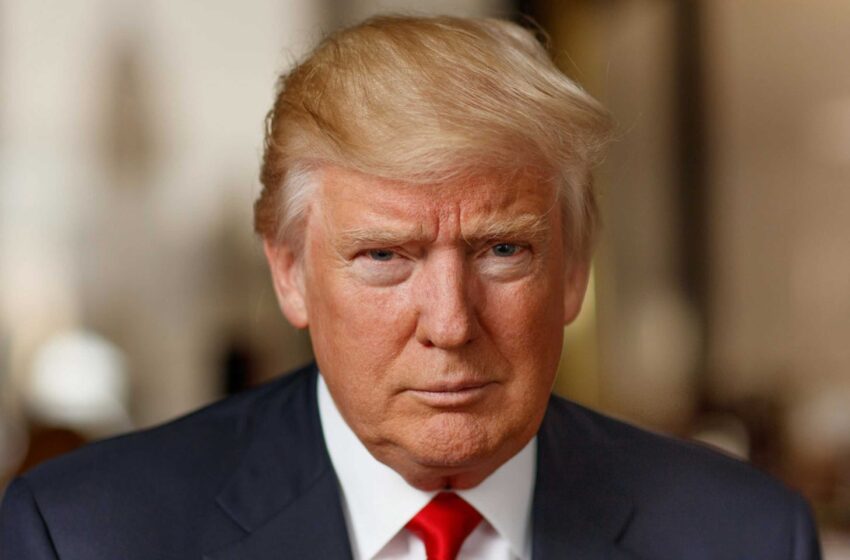
Donald Trump. Picture: David Hume Kennerly/Getty Images
President Donald Trump has issued pardons to 11 individuals convicted of violating federal emissions laws, describing their prosecutions as an example of government “weaponization” and arguing they were unfairly punished for modifying vehicles.
The latest wave of presidential pardons, announced on Friday, centers on individuals prosecuted under the Clean Air Act for tampering with vehicle emissions-control systems using aftermarket “defeat devices.” Trump defended the recipients, insisting they were simply “fixing their car” rather than committing serious environmental crimes.
The move marks another significant use of presidential clemency during Trump’s second administration and reflects his broader effort to reverse environmental enforcement policies pursued under previous administrations.
Trump Says Defendants Were Wrongfully Prosecuted
In a post on Truth Social, Trump declared that the defendants had been unfairly targeted by the federal government.
“It is my Great Honor to have just signed Pardons for six people who were persecuted by the Biden Administration… I AM SETTING THEM ALL FREE, RIGHT NOW!”
Although Trump initially referenced six individuals, White House officials later confirmed that 11 people ultimately received presidential pardons.
Among those identified were:
- Ryan Lalone
- Wade Lalone
- Matt Geouge
- Tim Clancy
- Mackenzie (Mac) Spurlock
- Joshua Davis
- Barry Pierce
- Aaron Rudolf
- Adam Kidan
- Jack Harvard
- Jonathan Achtemeier
The pardons eliminate or reduce the legal consequences associated with their federal convictions.
What Were the Defendants Convicted Of?
Most of the recipients had been prosecuted for violating the Clean Air Act by manufacturing, installing or selling aftermarket defeat devices that disabled pollution-control equipment on diesel trucks and other vehicles.
Federal prosecutors argued these modifications allowed vehicles to emit pollutants far above legal limits, undermining air quality regulations designed to reduce harmful emissions.
Several defendants had pleaded guilty to conspiracy charges, emissions tampering or related offenses. Some also faced tax-related convictions connected to their businesses.
For example:
- Matt Geouge was previously convicted of conspiracy to violate the Clean Air Act and tax evasion.
- Jonathan Achtemeier admitted participating in a nationwide emissions-tampering conspiracy.
- Ryan and Wade Lalone received probation after disabling emissions systems on commercial trucks.
Justice Department Shift on Emissions Enforcement
The pardons follow a broader policy shift within the Trump administration.
Earlier this year, the Department of Justice instructed federal prosecutors to drop pending criminal investigations involving aftermarket defeat devices used to bypass vehicle emissions controls.
The administration has argued that previous enforcement actions disproportionately targeted mechanics, diesel performance shops and vehicle enthusiasts.
Trump previously granted clemency to Wyoming mechanic Troy Lake, who had served prison time after violating federal emissions regulations by disabling diesel pollution-control systems.
The latest pardons further reinforce the administration’s changing approach toward environmental enforcement and emissions-related prosecutions.
READ ALSO
Supporters Celebrate the Clemency Decisions
Attorney Stewart Cables and lobbyist Jeff Daugherty, who represented several of the defendants, praised Trump’s decision.
Daugherty thanked the president, saying Trump was uniquely willing to review what supporters viewed as overly aggressive federal prosecutions.
Supporters argue that many emissions-related criminal cases involved small businesses and mechanics rather than major environmental offenders.
They also contend that criminal penalties for modifying diesel engines became increasingly severe during previous administrations.
Environmental Concerns Remain
Environmental advocates have long argued that emissions-control systems play a vital role in protecting public health by reducing pollutants linked to respiratory illnesses, smog and poor air quality.
The Clean Air Act prohibits tampering with federally required emissions equipment because doing so can significantly increase nitrogen oxides, particulate matter and other harmful pollutants released into the atmosphere.
Critics of the pardons warn that weakening enforcement could encourage additional emissions tampering and undermine decades of environmental protections.
Presidential Pardons Continue to Expand
The emissions-related clemency actions are part of a broader pattern of presidential pardons issued during Trump’s second term.
According to administration officials, Trump has taken a more direct role in reviewing clemency requests, often focusing on cases he believes reflect prosecutorial overreach or politically motivated enforcement.
The White House has indicated that additional pardon announcements could follow as officials continue reviewing criminal cases submitted for presidential consideration.
The latest decisions are expected to generate renewed debate over the balance between environmental regulation, criminal enforcement and the constitutional power of presidential clemency.
FAQ
Why did Donald Trump pardon people convicted in emissions cases?
President Donald Trump said the individuals were unfairly prosecuted for modifying vehicles and argued the cases represented government “weaponization.” He described them as people who were simply “fixing their car.”
How many people did Donald Trump pardon in the emissions cases?
The White House confirmed that 11 individuals received presidential pardons, although Trump’s initial announcement referenced six people.
Who received Trump’s Clean Air Act pardons?
Those identified include Ryan Lalone, Wade Lalone, Matt Geouge, Tim Clancy, Mackenzie Spurlock, Joshua Davis, Barry Pierce, Aaron Rudolf, Adam Kidan, Jack Harvard and Jonathan Achtemeier.
What were these individuals convicted of?
Most were convicted of violating the Clean Air Act by manufacturing, selling or installing aftermarket defeat devices that disabled federally required vehicle emissions-control systems.
What are aftermarket defeat devices?
Aftermarket defeat devices are products or software designed to disable or bypass emissions-control systems in vehicles, allowing engines to operate outside federal environmental standards.
Why are defeat devices illegal?
Federal law prohibits defeat devices because they significantly increase harmful emissions, including nitrogen oxides and particulate matter, which contribute to air pollution and health risks.
What is the Clean Air Act?
The Clean Air Act is a federal law that regulates air pollution by establishing emissions standards for vehicles, industries and other pollution sources to protect public health and the environment.
Did the Trump administration change emissions enforcement?
Yes. Earlier in 2026, the Department of Justice instructed prosecutors to discontinue pending criminal investigations involving aftermarket emissions defeat devices, reflecting a shift in enforcement priorities.
Do presidential pardons erase criminal convictions?
A presidential pardon forgives the federal offense and restores certain rights, but it does not erase the historical record of the conviction.
Why is this story significant?
The pardons highlight the Trump administration’s broader approach to criminal justice, environmental regulation and presidential clemency, while reigniting debate over emissions enforcement and environmental policy in the United States.