

Who are the Falkland Islanders? Everything to know as Argentina reignites battle over the Islands

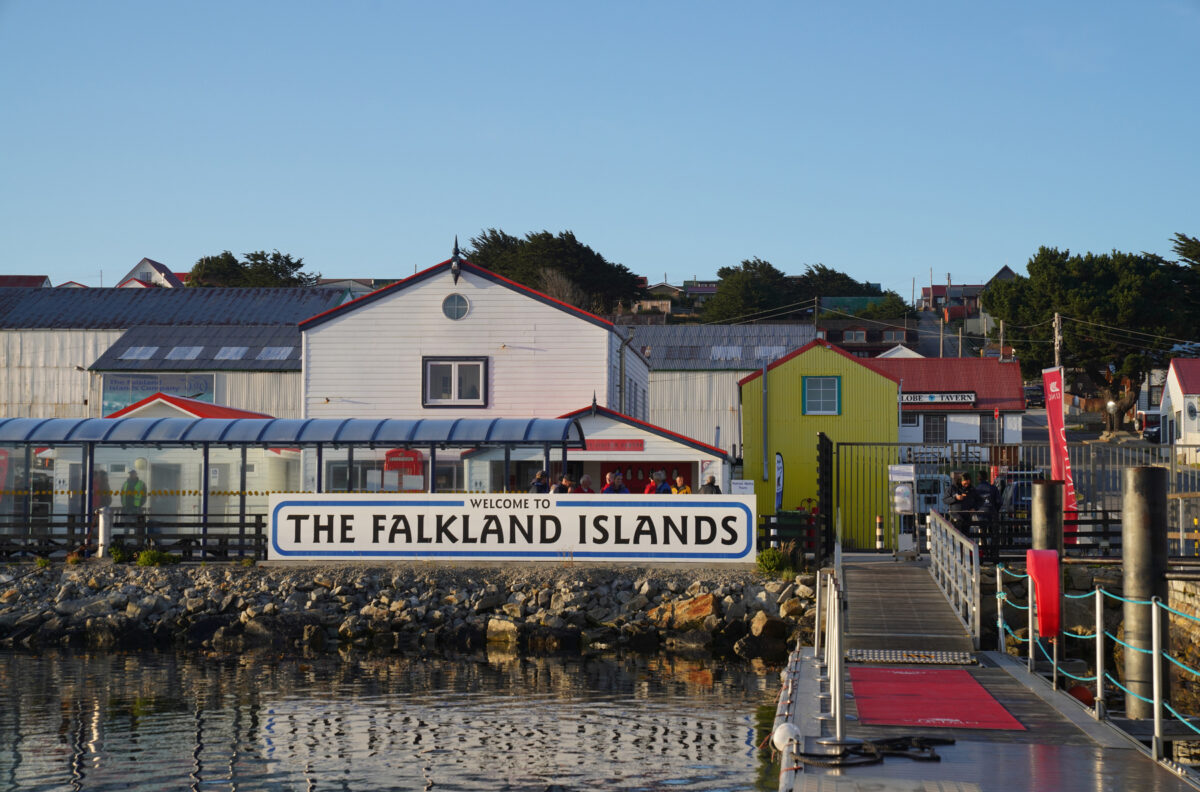
Falkland Islanders remain at the center of the UK-Argentina sovereignty dispute
The Falkland Islanders have once again become the focus of international attention after Argentina renewed its long-standing claim over the South Atlantic archipelago, insisting that Britain should reopen negotiations on sovereignty.
Recent remarks from Argentine Foreign Minister Pablo Quirno, who described the islanders as an “implanted population” and rejected the legitimacy of the 2013 referendum, have reignited one of the world’s oldest territorial disputes.
While Buenos Aires continues to argue that the islands, in Argentina as Las Malvinas, belong to Argentina, Britain maintains that the wishes of the Falkland Islanders are paramount under the principle of self-determination.
Who Are the Falkland Islanders?
The Falkland Islanders are the approximately 3,700 people who live on the Falkland Islands, a British Overseas Territory located in the South Atlantic Ocean.
Most islanders are of British descent, with generations of families having lived on the islands for decades. The islands also have residents from other countries, including Chile and St Helena, contributing to a small but diverse population.
English is the primary language, and the islands operate under a democratic system with their own elected government while remaining under British sovereignty.
The economy is largely supported by fishing, tourism, agriculture and offshore energy exploration.
Why Are the Falkland Islands Disputed?
The sovereignty dispute dates back nearly two centuries.
Britain has administered the islands continuously since 1833, but Argentina argues that the islands were inherited from Spain following its independence and that British control constitutes an occupation.
The disagreement escalated dramatically in 1982 when Argentina invaded the islands, triggering the Falklands War. The conflict lasted 74 days and ended with British forces regaining control.
The war claimed the lives of 649 Argentine personnel and 255 British service members, leaving a lasting impact on relations between the two nations.
The 2013 Referendum and Self-Determination Debate
One of the most significant moments in the dispute came in 2013 when the Falkland Islands held a referendum regarding their political status.
An overwhelming 99.8% of voters chose to remain a British Overseas Territory, with only three votes cast against British sovereignty.
Britain has repeatedly cited this vote as clear evidence that the islanders wish to remain British.
Argentina, however, rejects the referendum, arguing that the principle of self-determination does not apply because it considers the current population to be descendants of settlers introduced after British control began.
This disagreement remains at the heart of the diplomatic deadlock.
READ ALSO
Why Argentina Has Renewed Its Campaign
Argentina’s latest diplomatic push comes amid renewed political attention to the issue under President Javier Milei’s administration.
Foreign Minister Pablo Quirno recently argued that “time does not transform an illegitimate occupation into sovereignty” and insisted that only direct negotiations between London and Buenos Aires can determine the islands’ future.
Argentina has also objected to offshore oil projects around the islands, calling exploration licenses issued by the Falkland Islands Government illegitimate.
The renewed rhetoric has sparked criticism in Britain and among many islanders, who argue that their democratic wishes should not be ignored.
Britain’s Position Remains Unchanged
Successive British governments have maintained the same policy: there will be no negotiations on sovereignty unless the Falkland Islanders themselves wish it.
The UK views the issue primarily through the lens of self-determination, a principle recognized under international law.
British officials have repeatedly stated that the islanders have the right to decide their own future and that any change in status would require their consent.
This position continues to receive support from the Falkland Islands Government and many international observers.
Why the Falkland Islanders Matter in the Debate
For many islanders, the dispute is not simply about geopolitics but about identity and democratic rights.
Representatives from the islands have frequently argued at international forums that they should not be excluded from discussions regarding their future.
Island leaders continue to insist that they are a distinct community with the right to determine their political status, rejecting claims that they are merely a transplanted population.
More than four decades after the Falklands War, the sovereignty issue remains unresolved diplomatically, but one fact remains central to Britain’s argument: the overwhelming majority of Falkland Islanders continue to identify as British and wish to remain under British administration.
FAQ
Who are the Falkland Islanders?
The Falkland Islanders are the approximately 3,700 residents of the Falkland Islands, a British Overseas Territory in the South Atlantic. Most identify as British and have lived on the islands for generations.
Where are the Falkland Islands located?
The islands are situated in the South Atlantic Ocean, around 500 kilometers east of Argentina’s Patagonian coast.
Why are the Falkland Islands disputed?
Argentina claims the islands are part of its national territory and refers to them as Las Malvinas, while Britain has administered them since 1833 and argues that the islanders have the right to self-determination.
Did the Falkland Islanders vote to remain British?
Yes. In a 2013 referendum, 99.8% of voters chose to remain a British Overseas Territory.
Why does Argentina reject the referendum?
Argentina argues that the current population was established under British administration and therefore cannot determine sovereignty under its interpretation of international law.
What happened during the Falklands War?
In 1982, Argentina invaded the islands, leading to a 74-day conflict with Britain. British forces regained control, and hundreds of military personnel from both sides lost their lives.
Who controls the Falkland Islands today?
The United Kingdom currently administers the islands as a self-governing British Overseas Territory.
Do the Falkland Islanders want independence?
There is little political support for full independence. Most islanders favor maintaining their status as a British Overseas Territory.
Why are the islands strategically important?
The islands are important due to their location in the South Atlantic, rich fishing grounds, potential offshore oil resources and military significance.
Will Britain negotiate sovereignty with Argentina?
The UK government has consistently stated that it will not negotiate sovereignty unless the Falkland Islanders themselves wish to do so.