

UK drought explained: The six areas affected and what it means for water supplies

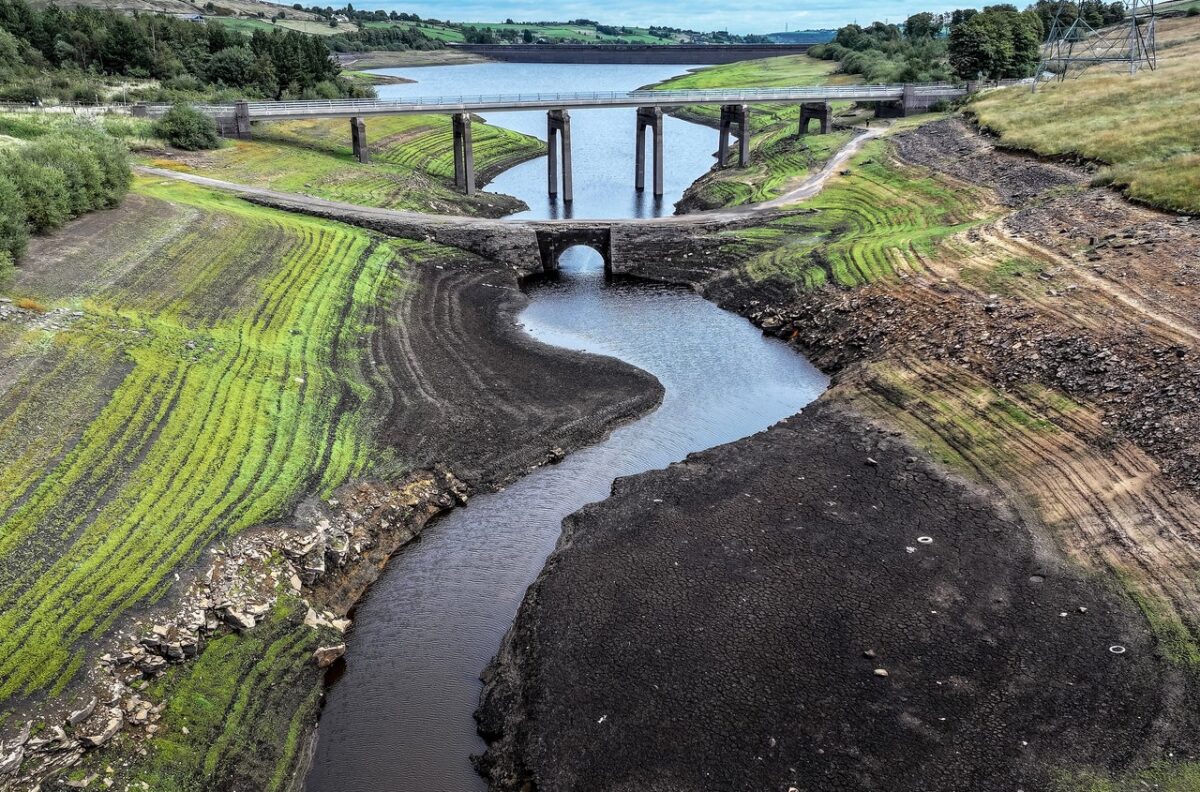
UK Drought. Credit: Christopher Furlong/Getty Images
Severe drought has been declared in six areas of southern England, with critically low reservoir levels raising concerns about water supplies for millions of people and prompting the government to prepare emergency measures.
Parts of Cornwall, Devon, Dorset, Somerset, East Sussex and West Sussex have entered the highest drought classification, according to reports published on October 15, 2026. The declaration follows months of exceptionally dry weather and the UK’s hottest summer on record.
The scale of the shortage is becoming clearer at two major reservoirs. Ardingly reservoir in West Sussex is just 19% full, while Wimbleball reservoir in Somerset has fallen to 16% capacity. The Environment Agency would normally expect reservoirs to be around 75% full at this point in the year.
Water companies are seeking permission to restrict non-essential commercial water use, potentially affecting car washes, golf clubs, private swimming pools and other businesses. Authorities are also increasing monitoring of water supplies, rivers and reservoirs as they attempt to prevent the situation from deteriorating further.
The government says public water supplies remain available, but officials have warned that exceptional action is needed to conserve water and protect essential services.
Which Parts of England Are Affected by Severe Drought?
The latest declaration covers parts of six counties or areas in southern England:
- Cornwall
- Devon
- Dorset
- Somerset
- East Sussex
- West Sussex
The crisis follows an exceptionally dry period between April and September, with the south-east and south-west experiencing their driest conditions for more than a century.
The wider drought situation extends beyond these areas. According to the October 15 report by The i Paper, Yorkshire had also entered drought classification, leaving most of England affected by drought conditions or prolonged dry weather. The North West and North East remained under prolonged dry weather status.
Severe drought is a serious classification because water shortages can affect households, agriculture, businesses, wildlife and the wider environment. It does not automatically mean every affected household will lose access to running water.
UK Reservoir Levels: Ardingly and Wimbleball Face Critical Shortages
Two reservoirs illustrate the seriousness of the current water shortage.
| Reservoir | Current capacity reported | Area and customers served |
|---|---|---|
| Ardingly, West Sussex | 19% | About 95,000 properties around Haywards Heath, Uckfield and surrounding areas |
| Wimbleball, Somerset | 16% | Customers across parts of Devon, Somerset and West Dorset |
Ardingly reservoir supplies properties served by South East Water. Its low storage levels have raised concerns about the reliability of supplies if dry conditions persist.
Wimbleball reservoir serves customers of South West Water and Wessex Water across parts of south-west England. Its storage level is also substantially below what the Environment Agency would normally expect at this stage of the year.
Smaller reservoirs are under pressure too. These include Drift and Stithians in Cornwall, which together supply about 56,000 households, and the Tottiford and Venford reservoir group in Devon, which supplies approximately 47,000 households.
The figures underline why authorities are asking water companies to take action before shortages lead to wider interruptions.
Could Water Rationing Be Introduced in the UK?
The government is preparing additional measures to protect public supplies, but widespread household water rationing has not been announced in the reports provided.
According to The i Paper, ministers and officials held a Cobra emergency planning meeting on Thursday, October 15, to discuss the situation and possible responses.
Water companies have been given scope to consider measures such as restricting some commercial water use, reducing mains pressure or interrupting supplies where necessary. Households that could be affected by specific measures are expected to receive direct communication from their water companies.
Local Resilience Forums, which coordinate responses to civil emergencies, have also been placed on standby in affected areas. They could help organise support, including bottled-water distribution points, if supply interruptions occur.
The current priority is to preserve drinking water and other essential household supplies. Residents should not assume that a nationwide water-rationing programme is in force.
Car Washes, Golf Clubs and Businesses Could Face Water Restrictions
Three water companies—South East Water, South West Water and Southern Water—have sought non-essential use restrictions to help conserve supplies.
Such restrictions could affect businesses that use significant amounts of water for activities that are not considered essential. Potentially affected premises include commercial car washes, golf clubs, private swimming pools and some gyms.
The proposed measures are intended to reduce demand while water companies work to maintain essential supplies.
However, the Environment Secretary, Angela Eagle, had not approved the requested restrictions at the time of the Guardian report published on October 15.
The Environment Agency is also increasing compliance checks on businesses that extract water from rivers and other sources. The aim is to ensure that operators take only the quantities permitted under their licences.
READ ALSO
Burnham announces £65m lifeline for drought-hit farmers as UK faces ‘hardest summer’ in a generation
Government Prioritises Public Water Supplies Over Environmental Needs
The drought is creating difficult decisions for authorities responsible for balancing drinking-water supplies with the health of rivers and wildlife.
Water levels are falling at a time when rivers and other natural habitats need sufficient water to support ecosystems. Reduced river flows can also increase pollution risks because there is less water available to dilute sewage and other contaminants.
The National Drought Group has called for daily monitoring of reservoir and river levels, alongside more intensive water-quality checks.
Environment Agency chief executive Philip Duffy said water companies should follow their drought plans and take the necessary steps to secure public supplies.
The government has also instructed the Environment Agency to prioritise public water supplies in severe-drought areas where maintaining normal environmental requirements would create unavoidable conflicts with essential water needs.
The Environment Agency has granted drought permits allowing South East Water to reduce daily releases from Ardingly reservoir into the River Ouse by three million litres. South West Water has also received permission to reduce the amount of water released into the River Exe by nine million litres daily.
These measures can preserve water in storage, but they also demonstrate the pressure the drought is placing on rivers and surrounding habitats.
How Can Households Save Water During the UK Drought?
Residents in affected areas are being encouraged to reduce unnecessary water consumption, even where their supply remains uninterrupted.
Practical steps include:
- Taking shorter showers instead of long showers or baths.
- Fixing leaking taps, toilets and pipes promptly.
- Turning off taps while brushing teeth.
- Running washing machines and dishwashers with full loads.
- Using eco-settings on household appliances.
- Avoiding unnecessary pre-rinsing of dishes before loading a dishwasher.
- Watering gardens carefully and avoiding wasteful use of hoses.
- Installing a water butt to collect rainwater where appropriate.
- Considering a low-flow shower head or a suitable cistern-displacement device.
Residents should also follow instructions issued by their own water companies, as local restrictions may differ according to supply conditions.
Reducing household demand can help preserve water for drinking, cooking, hygiene and other essential needs while leaving more water available for rivers and the environment.
Will Rainfall End the UK Drought?
The outlook could improve if the UK receives sustained rainfall over the coming weeks and months. However, a short period of rain may not be enough to restore reservoirs and groundwater that have been depleted over several months.
The i Paper report said the Met Office was forecasting a wetter-than-average latter part of autumn and winter, with increased rainfall potentially helping replenish water stocks by spring 2027.
That forecast is not a guarantee that reservoirs will return to normal levels. Recovery will depend on how much rain falls, where it falls, whether it arrives steadily and how much water is lost through runoff or continued demand.
Heavy rainfall can also create other problems, including flooding, particularly after prolonged dry conditions. Authorities will need to monitor both water shortages and the potential effects of changing weather patterns.
For now, the immediate concern is maintaining public supplies while reducing demand and protecting the most vulnerable parts of the water network.
Frequently Asked Questions About the UK Drought
Is the UK officially in a drought in October 2026?
Yes. Parts of England, including Cornwall, Devon, Dorset, Somerset, East Sussex and West Sussex, were declared to be in severe drought on October 15, 2026. Other areas of England are also experiencing drought or prolonged dry weather conditions.
Which parts of the UK are most affected by the drought?
The latest severe-drought declaration covers parts of south-west and south-east England. Reservoirs at Ardingly in West Sussex and Wimbleball in Somerset are among the most concerning because their storage levels have fallen to 19% and 16%, respectively.
Is the UK running out of drinking water?
The reports do not indicate that the entire UK has run out of drinking water. However, critically low reservoir levels in some areas are putting pressure on public supplies, prompting water companies and the government to prepare additional measures.
Will there be water rationing in England?
Widespread household rationing has not been announced in the reports provided. Authorities are considering measures such as restricting non-essential commercial water use, adjusting mains pressure and managing supplies. Any direct impact on households will depend on local conditions and decisions by water companies.
Which businesses could be affected by UK drought restrictions?
Proposed non-essential use restrictions could affect commercial car washes, golf clubs, private swimming pools and some gyms. The restrictions are intended to reduce demand and help protect essential public water supplies.
Why are UK reservoirs so low in 2026?
The shortage follows months of dry conditions, including exceptionally low rainfall during spring and summer and the UK’s hottest summer on record, according to the supplied reports. Continued dry weather has left reservoirs and groundwater depleted.
How full is Ardingly reservoir?
Ardingly reservoir in West Sussex was reported to be 19% full on October 15, 2026. It supplies about 95,000 properties in and around Haywards Heath and Uckfield.
How full is Wimbleball reservoir?
Wimbleball reservoir in Somerset was reported to be 16% full. It supplies customers across parts of Devon, Somerset and West Dorset.
When will the UK drought end?
There is no confirmed date for the end of the drought. Forecast wetter conditions later in autumn and winter could help replenish reservoirs, but recovery will depend on actual rainfall, continued water demand and local supply conditions.
What can people do to help during the drought?
Households can reduce water use by taking shorter showers, repairing leaks, using washing machines efficiently, turning off taps when not needed and following advice from their water companies.