

Executive privilege explained: Why Trump is using it to withhold Kennedy Center records

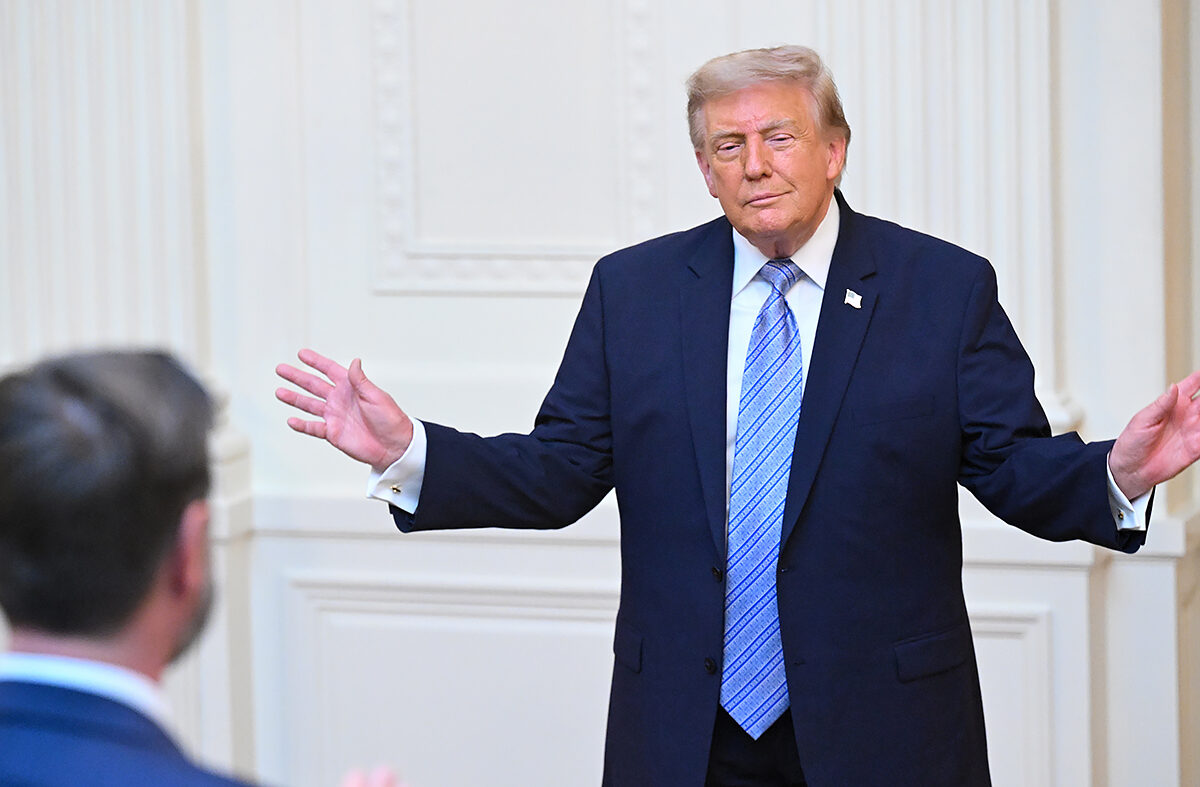
President Trump gestures after speaking in the East Room of the White House, Thursday, July 16, 2026, in Washington, D.C. Image Credit: Saul Loeb/Pool via AP
US President Donald Trump has invoked executive privilege to prevent the release of certain White House communications connected to his controversial plans to close the Kennedy Center for renovations, raising fresh questions about how far presidential powers extend.
The dispute centres on a legal battle involving Democratic Representative Joyce Beatty of Ohio, who is challenging the administration’s efforts to shut down the John F. Kennedy Center for the Performing Arts for two years, change its name and pursue other major changes to the institution.
In a court filing reported by CBS News on October 15, 2026, White House deputy counsel Joshua Hoyt said the president had formally asserted presidential communications privilege over records involving Trump, his advisers and Kennedy Center employees.
The administration argues that protecting these discussions is necessary to allow presidential advisers to gather information, consider alternatives and offer recommendations without fear that their communications will be disclosed.
Beatty’s lawyers disagree, arguing that the Justice Department is using an unusually broad claim of executive privilege to prevent scrutiny of decisions affecting a cultural institution established by Congress.
The dispute highlights a constitutional question with implications beyond the Kennedy Center: Can a US president withhold records simply because they relate to official duties, even when those records are being sought in an ongoing lawsuit?
What Is Executive Privilege?
Executive privilege is the asserted power of the US president and executive branch to withhold certain confidential communications from Congress, courts or the public.
The principle is intended to protect sensitive government discussions, particularly conversations between the president and advisers who need to provide candid recommendations on important decisions.
Without some protection for confidential discussions, officials may become reluctant to share frank opinions, discuss policy alternatives or provide information that could be politically damaging if disclosed.
However, executive privilege is not explicitly stated as a general presidential power in the US Constitution. Its legal basis has developed through constitutional interpretation, historical practice and court decisions.
The privilege is also not absolute. Courts can determine whether a particular claim is justified and whether the need for the requested information outweighs the government’s interest in confidentiality.
Why Has Donald Trump Invoked Executive Privilege?
Trump’s claim is connected to Beatty’s lawsuit challenging decisions involving the Kennedy Center.
The president’s administration has sought to close the performing arts institution for two years to allow renovations. The wider dispute has also involved the proposed addition of Trump’s name to the building, its financial condition and concerns about whether the structure could eventually be demolished.
According to the October 15 report, the White House is seeking to protect records covering several aspects of the president’s involvement in the institution’s management and future.
Hoyt argued that Trump has responsibilities connected to the Kennedy Center because he appoints members of its board of trustees and a related Advisory Committee on the Arts.
The White House says those responsibilities require the president to understand the institution’s operations, fundraising, management and planned activities.
The administration’s position is that communications concerning those responsibilities fall within the presidential communications privilege.
The Justice Department has also accused Beatty of conducting a fishing expedition, arguing that her requests raise separation-of-powers concerns.
Beatty’s legal team maintains that the administration should not be allowed to block a broad category of records without adequately establishing that the specific communications qualify for protection.
What Is the Kennedy Center Controversy About?
The Kennedy Center is a major performing arts institution in Washington, DC, established by Congress in 1958 and supported through a combination of federal funding, ticket revenue and private donations.
Trump’s involvement in its leadership has become a source of legal and political controversy.
The centre’s board of trustees elected Trump as chairman last year, making him the first sitting US president to hold that position, according to the report.
Beatty, who serves as an ex officio member of the board, filed a lawsuit in December challenging the board’s decision to change the institution’s name and close its main building for two years.
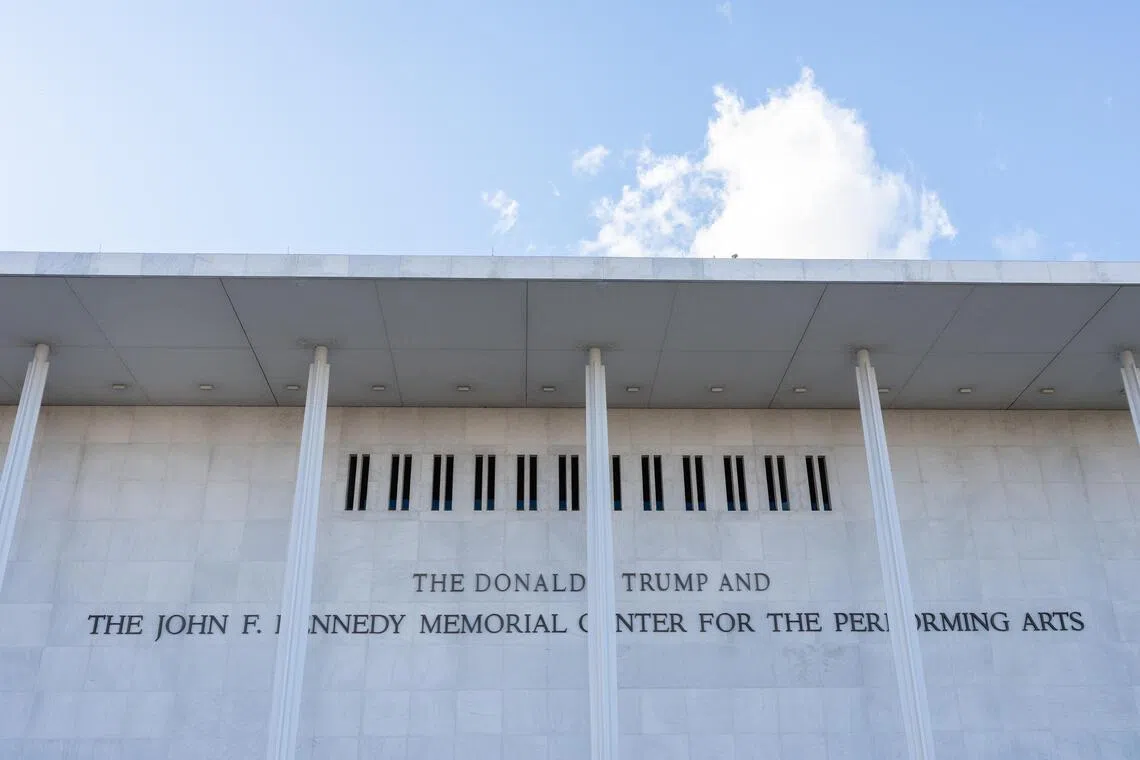
The proposed name change would add Trump’s name to the John F. Kennedy Memorial Center for the Performing Arts.
In May, US District Judge Christopher Cooper blocked the planned closure and ordered Trump’s name removed from the building’s facade. Construction crews removed the name in June, although a tarp later covered much of the building’s front portico.
The dispute over executive privilege has now added another legal dimension to the case: whether Trump can use protections associated with presidential communications to withhold records about his actions as chairman of the Kennedy Center’s board.
READ ALSO
Can the Trump Administration demolish the Kennedy Center? The legal fight explained
Can a US President Use Executive Privilege to Withhold Documents?
A president can assert executive privilege over certain government communications, but making the claim does not automatically settle the matter.
The scope of the protection depends on the nature of the information, the reasons for seeking confidentiality and the legal context in which disclosure is requested.
In the Kennedy Center dispute, the White House has invoked presidential communications privilege, a form of executive privilege associated with confidential communications involving the president and his advisers.
The administration argues that the records relate to Trump’s official responsibilities.
Beatty’s lawyers, however, want access to communications and instructions involving Trump and White House personnel concerning the centre’s closure and possible demolition.
They have asked the court to order the institution to provide the material sought through the legal discovery process.
The judge will have to consider the competing arguments and determine how the privilege applies to the particular records at issue. The administration’s assertion alone does not establish that every requested document is protected.
Why Executive Privilege Is Not Absolute
The limits of executive privilege have been tested in major US legal disputes.
One of the most significant examples came in 1974, when the US Supreme Court ruled in United States v. Nixon that President Richard Nixon could not use a general claim of presidential confidentiality to withhold recordings sought for a criminal trial.
The court recognised the importance of confidential presidential communications but held that a generalised interest in confidentiality could not automatically overcome a demonstrated need for evidence in a criminal proceeding.
The decision established an important principle: presidential confidentiality has legal weight, but it does not place every communication involving a president beyond judicial scrutiny.
The precise balance can differ depending on the type of proceeding, the records involved and the legal interests at stake.
In Trump’s Kennedy Center case, the court must address the administration’s specific claim and Beatty’s stated need for the documents. The Nixon ruling provides important historical context, but it does not by itself determine the outcome of this separate dispute.
What Happens Next in Trump’s Kennedy Center Legal Battle?
The immediate question is whether Judge Christopher Cooper will require the Kennedy Center to disclose records that the administration says are protected by executive privilege.
The court has already allowed Beatty to seek information about the decision to close the centre and any potential demolition, including through depositions and document requests.
During a deposition last week, a Justice Department lawyer repeatedly instructed Kennedy Center executive director and chief operating officer Matthew Floca not to answer certain questions, citing a protective assertion of executive privilege.
Beatty’s lawyers subsequently accused the Justice Department of making an improper blanket claim and asked the judge to order the release of the requested material.
The judge’s decision could clarify how presidential communications privilege applies when a president also holds a leadership role in an institution created by Congress.
It could also determine how much access a litigant receives to records involving presidential involvement in decisions under legal challenge.
The outcome remains uncertain. Until the court rules on the disputed records, Trump’s claim should be understood as an assertion of privilege rather than a final determination that the documents can legally remain confidential.
Frequently Asked Questions About Executive Privilege
What does executive privilege mean in simple terms?
Executive privilege is a claim that the president or executive branch can keep certain government communications confidential. It is intended to protect sensitive discussions and allow advisers to offer candid recommendations, but it does not cover every presidential communication automatically.
Is executive privilege written into the US Constitution?
The Constitution does not expressly establish a general executive privilege clause. The doctrine has developed through constitutional interpretation, historical practice and judicial decisions concerning presidential powers and confidentiality.
Can a president use executive privilege to avoid a court order?
A president can assert the privilege, but the claim may be challenged in court. Judges can assess whether the requested records qualify for protection and whether the need for disclosure outweighs the government’s confidentiality interests under the applicable legal standards.
Why did Donald Trump invoke executive privilege over Kennedy Center records?
Trump invoked presidential communications privilege to protect certain communications involving himself, his advisers and Kennedy Center employees. The administration says the discussions relate to his official responsibilities concerning the institution’s management and operations.
What is presidential communications privilege?
Presidential communications privilege is a form of executive privilege that protects certain confidential communications involving the president and those advising him on official duties. Its application depends on the circumstances and the records being sought.
Can Congress challenge executive privilege?
Yes. Congress may challenge an executive privilege claim when seeking information for its constitutional or legislative responsibilities. Courts may become involved when the dispute reaches litigation, although the legal standards depend on the circumstances.
What did the Supreme Court decide in United States v. Nixon?
In 1974, the Supreme Court ruled that President Richard Nixon could not rely on a generalised claim of confidentiality to withhold recordings needed for a criminal proceeding. The decision confirmed that executive privilege is not absolute.
Does Trump’s executive privilege claim mean the Kennedy Center records will never be released?
No. The claim does not automatically prevent disclosure. The court must consider whether the privilege applies to the specific records and how it should be balanced against the need for the information.
What is the Kennedy Center lawsuit about?
Representative Joyce Beatty is challenging decisions involving the proposed renaming of the Kennedy Center and its planned two-year closure for renovations. The litigation now includes a dispute over whether Trump can withhold communications related to those decisions.
What happens if the judge rejects Trump’s privilege claim?
If the court rejects the claim as applied to particular records, it could order the relevant material to be produced, subject to any other applicable legal protections or limits. The exact outcome would depend on the judge’s ruling and the scope of the order.