

Tupac murder case finally gets verdict after 30 years as Keffe D is found guilty

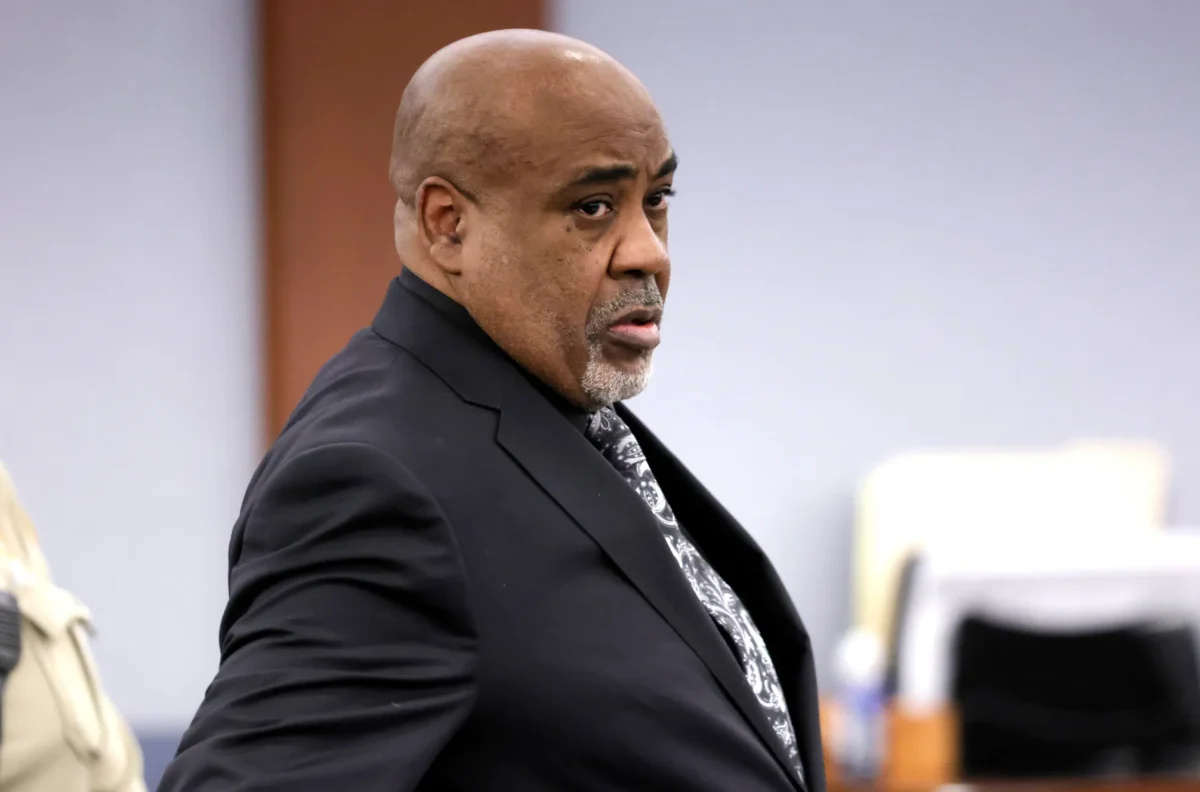
Duane “Keffe D” Davis convicted in Tupac Shakur murder case nearly 30 years later
Nearly three decades after the murder of rap icon Tupac Shakur stunned the music world, a jury has delivered a verdict in one of the most closely watched unsolved murder cases in American entertainment history.
Duane “Keffe D” Davis was found guilty of first-degree murder on August 31, 2026, for his role in the 1996 killing of Tupac Shakur. The conviction marks the first time anyone has been found criminally responsible for the death of the legendary rapper, who was 25 when he died after a drive-by shooting in Las Vegas.
The verdict comes just weeks before the 30th anniversary of Shakur’s death and represents a major development in a case that had remained unresolved for generations of fans, family members and investigators.
Duane “Keffe D” Davis Found Guilty in Tupac Shakur Murder
A jury deliberated for about three hours before finding Davis guilty of first-degree murder in connection with Tupac Shakur’s death.
Prosecutors argued that Davis played a central role in the events surrounding the September 1996 shooting near the Las Vegas Strip. They described him as a key figure within the South Side Compton Crips and alleged that he was involved in the retaliation that led to Shakur being targeted.
According to prosecutors, the confrontation began after a fight involving Orlando “Baby Lane” Anderson and members of Shakur’s entourage at the MGM Grand following a Mike Tyson boxing match.
Prosecutors told jurors that Davis and Anderson subsequently went looking for Shakur.
Davis had become the only person ever charged in connection with Tupac’s murder, making the trial a historic moment in a case that had generated speculation, documentaries, books and competing theories for nearly 30 years.
Prosecutors Pointed to Keffe D’s Own Statements
A major part of the prosecution’s case centered on Davis’ own statements over the years.
Prosecutors argued that Davis had made admissions regarding the shooting, including accounts discussed in his memoir. During closing arguments, the prosecution said the book should be viewed as evidence supporting its case despite the defense’s argument that Davis’ account was not factual.
The prosecution also presented comparisons of multiple versions Davis had given about what happened.
Their case relied heavily on circumstantial evidence and Davis’ statements rather than direct physical evidence linking him to the shooting.
The prosecution maintained that the evidence showed Davis played an important role in the plot surrounding Shakur’s killing.
Defense Said Keffe D’s Accounts Were Fiction
Davis’ defense team strongly challenged the prosecution’s interpretation of his statements.
Defense attorney Michael Sanft argued that Davis had given inconsistent accounts over the years and said his client’s descriptions of the events were fictional.
The defense also raised concerns about missing investigative records and the absence of direct evidence.
Sanft argued that prosecutors had not presented documentation proving Davis was in Las Vegas at the time of the shooting.
The defense’s central argument was that Davis should not be convicted based on statements that they said were unreliable.
The jury ultimately rejected that argument and returned a guilty verdict after a relatively brief period of deliberations.
READ ALSO
Tupac Shakur’s Family Reacts to Historic Verdict
Members of Tupac Shakur’s family were present in court as the verdict was announced.
Shakur’s sister, Sekyiwa “Set” Shakur, was visibly emotional, while family members held hands following the jury’s decision.
The rapper’s stepbrother, Mopreme Shakur, was also present, with family members embracing as the proceedings concluded.
For the Shakur family, the conviction represents the first criminal verdict connected to a murder that has remained one of the most famous unresolved cases in hip-hop history.
Tupac died on September 13, 1996, after being shot in Las Vegas on September 7. He had been travelling in a vehicle with Death Row Records executive Suge Knight when gunmen opened fire.
His death shocked the global music industry and ended the life of one of hip-hop’s most influential artists.
Why Tupac Shakur’s Murder Remained a Mystery for Decades
Tupac’s murder remained unsolved for years despite widespread public interest and multiple investigations.
The case became deeply connected to the history of the 1990s East Coast-West Coast hip-hop rivalry, gang tensions and the intense public scrutiny surrounding Shakur’s career.
Over time, numerous theories emerged regarding who was responsible.
However, no criminal charges were filed in the case until Davis was arrested decades later.
The conviction now represents a significant turning point, even though many questions surrounding the events of that night have continued to attract public attention.
Keffe D Faces Life in Prison After Tupac Murder Conviction
Davis is scheduled to be sentenced on October 13, 2026.
He faces the possibility of life in prison without parole following his first-degree murder conviction.
Prosecutors considered pursuing an additional gang enhancement but ultimately chose not to proceed with it, citing witness-related logistical issues.
The sentencing will mark the next major stage in a legal case that has brought renewed attention to Tupac Shakur’s death and legacy.
Tupac’s Legacy Remains Larger Than the Murder Case
The conviction has renewed public attention not only on how Tupac died but also on the extraordinary legacy he left behind.
At the time of his death, Tupac Shakur was among the biggest names in global hip-hop. His influence extended beyond music into film, activism, poetry and conversations about race, poverty and social inequality.
His music frequently explored violence, survival, family, ambition and mortality.
That focus on mortality has taken on even greater significance in the years since his death.
In a 1995 interview, Shakur spoke openly about his relationship with death following an earlier shooting in New York.
Friends and collaborators have also recalled his intense work ethic and the large volume of music he recorded before his death. Much of that material was released posthumously, helping extend his musical influence long after 1996.
The guilty verdict in Davis’ case may provide a measure of legal accountability, but Tupac’s murder will continue to be remembered as one of the defining tragedies in the history of hip-hop.
For millions of fans around the world, the case is about more than a decades-old crime. It is also about the loss of an artist whose voice, music and cultural impact have remained powerful nearly 30 years after his death.
With Davis now convicted and sentencing approaching, one of music’s longest-running murder mysteries has entered a new chapter.
FAQ: Tupac Shakur Murder Verdict and Keffe D Conviction
Who was found guilty of Tupac Shakur’s murder?
Duane “Keffe D” Davis was found guilty of first-degree murder on August 31, 2026, in connection with the 1996 killing of Tupac Shakur. Davis became the first person convicted in the murder case nearly 30 years after the rapper’s death.
Was Keffe D the person who shot Tupac Shakur?
The conviction was based on Davis’ role in the events surrounding the murder. Prosecutors argued that he played a central role in the plot that led to Shakur’s killing. The case against Davis did not require prosecutors to prove that he personally pulled the trigger.
When was Tupac Shakur killed?
Tupac Shakur was shot in Las Vegas on September 7, 1996. He died from his injuries six days later, on September 13, 1996.
How old was Tupac when he died?
Tupac Shakur was 25 years old when he died.
Where was Tupac Shakur shot?
Tupac was shot near the Las Vegas Strip after leaving a Mike Tyson boxing match. The shooting occurred following events connected to a confrontation at the MGM Grand.
Why was Keffe D convicted of Tupac’s murder?
Prosecutors relied on circumstantial evidence and Davis’ own statements about the shooting and surrounding events. Prosecutors argued that his accounts, including statements associated with his memoir, supported their case that he played a role in the murder.
The defense argued that Davis’ statements were fictional and inconsistent and challenged the lack of direct evidence.
How long did the Tupac murder case remain unsolved?
Tupac Shakur’s murder remained without a conviction for nearly 30 years. Davis’ 2026 conviction marked the first time anyone was found guilty in connection with the rapper’s death.
How long did the jury deliberate in the Tupac murder trial?
The jury deliberated for approximately three hours before reaching its verdict against Duane “Keffe D” Davis.
When will Keffe D be sentenced?
Duane “Keffe D” Davis is scheduled to be sentenced on October 13, 2026.
Could Keffe D receive life in prison?
Yes. Following his first-degree murder conviction, Davis faces the possibility of life in prison without the possibility of parole.
Who was Orlando “Baby Lane” Anderson?
Orlando Anderson was involved in a confrontation with Tupac Shakur and members of Shakur’s entourage at the MGM Grand on the night of the shooting. Prosecutors argued that the confrontation played a role in the events that followed.
Why did Tupac’s murder become one of the biggest unsolved cases in music?
Tupac was one of the most famous and influential rappers in the world when he died. His murder occurred during a turbulent period in hip-hop history and became linked to gang tensions, rivalries and the wider East Coast-West Coast conflict.
The lack of criminal charges for decades also fueled intense public interest and widespread speculation.
What did Tupac Shakur’s family say after the verdict?
Members of Shakur’s family were emotional in court following Davis’ conviction. His sister, Sekyiwa “Set” Shakur, and other family members were present as the verdict was announced.
Is the Tupac murder case now completely over?
The guilty verdict resolves the criminal case against Davis, but his sentencing is still pending. Public interest in the wider circumstances surrounding Tupac’s murder is also likely to continue.
Why is Tupac Shakur still important today?
Tupac remains one of the most influential artists in hip-hop history. His music addressed social issues, poverty, violence, race, family and personal struggles.
His work has continued to influence musicians, filmmakers, activists and audiences around the world, making his legacy relevant decades after his death.
What is Tupac Shakur’s legacy?
Tupac Shakur’s legacy extends beyond his music. He is remembered as a rapper, actor, writer and cultural figure whose work addressed major social and personal issues.
His influence has remained powerful through posthumous music releases, documentaries, films and continued interest in his life and death.