

Trump tightens US immigration rules as Nigerians seeking green cards ordered to return home

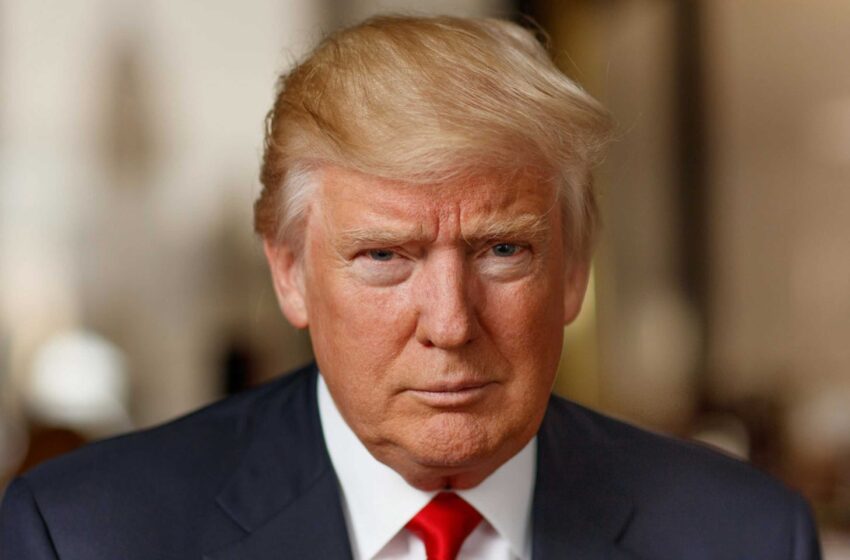
Donald Trump. Picture: David Hume Kennerly/Getty Images
Donald Trump has introduced a major immigration policy change that could significantly affect Nigerians and other foreign nationals seeking permanent residency in the United States.
Under the new directive announced by the United States Citizenship and Immigration Services (USCIS), individuals currently living in the US on temporary visas will now be required to return to their home countries to apply for green cards, except under what authorities described as “extraordinary circumstances.”
The policy, disclosed in a statement issued on Friday, marks another tightening of US immigration procedures under the Trump administration and is expected to impact thousands of international students, temporary workers, tourists, and other nonimmigrant visa holders.
New Trump Green Card Rule Explained
According to USCIS, the new measure is aimed at restoring what the agency called the “original intent” of US immigration laws.
The agency stated that individuals seeking adjustment of status to become lawful permanent residents must now process their residency applications through US consular offices abroad under the supervision of the US Department of State.
USCIS said the move is designed to reduce abuse of immigration loopholes and discourage individuals from overstaying temporary visas after unsuccessful residency applications.
In the official statement, the agency noted:
“From now on, an alien who is in the U.S. temporarily and wants a Green Card must return to their home country to apply, except in extraordinary circumstances.”
The new policy represents a major shift for immigrants who previously relied on adjustment-of-status procedures while remaining inside the United States.
Nigerians, Students, Workers Among Those Affected
The latest directive is expected to affect a broad category of immigrants, particularly Nigerians studying or working in the United States on temporary visas.
USCIS clarified that the rule targets nonimmigrant visa holders such as:
- International students
- Temporary workers
- Tourists
- Exchange visitors
According to the agency, temporary visas were never intended to automatically become pathways to permanent residency.
USCIS spokesman Zach Kahler said the policy would make immigration enforcement easier and reduce the number of people remaining in the country illegally after visa expiration or failed residency applications.
“This policy allows our immigration system to function as the law intended instead of incentivising loopholes,” Kahler explained.
He added that requiring applicants to process residency requests from their home countries would reduce the burden of locating and deporting undocumented immigrants who remain in the US after denials.
READ ALSO
Trump Administration Continues Tough Immigration Measures
The announcement is the latest in a series of stricter immigration measures introduced by the Trump administration since returning to office.
In December 2025, the administration reportedly suspended the processing of some green card and citizenship applications involving Nigerians and nationals from countries included in America’s revised travel ban list.
That suspension affected legal immigrants already residing in the US who were attempting to adjust their immigration status or complete naturalisation procedures.
The administration also froze immigration petitions from nationals of 19 countries covered under the travel restrictions announced in June 2025.
Those decisions followed heightened national security concerns after an attack in Washington DC allegedly linked to an Afghan national.
USCIS Says Policy Will Improve Efficiency
US immigration authorities argued that the updated process would allow USCIS to focus more resources on other immigration services and humanitarian cases.
The agency said it intends to dedicate additional attention to:
- Naturalisation applications
- Human trafficking cases
- Victims of violent crimes
- Refugee and humanitarian services
Officials believe the new system will make immigration processing more efficient while reinforcing compliance with existing US immigration laws.
The policy has already triggered discussions among immigration lawyers, foreign students, and immigrant communities globally, especially in countries with high numbers of US-bound migrants such as Nigeria, India, and several African and Asian nations.
Concerns Grow Among Nigerian Immigrants
The development has generated anxiety among many Nigerians living in the United States who hoped to transition from temporary visas to permanent residency without leaving the country.
Immigration analysts say the requirement to return home for consular processing may increase financial burdens, processing delays, and uncertainty for applicants.
Some observers also fear the policy could discourage skilled migration and international education in the United States, particularly among students and professionals seeking long-term opportunities abroad.
Despite the concerns, the Trump administration insists the directive aligns with the original framework of American immigration law and is necessary to strengthen border control and immigration enforcement.
FAQ
What is Trump’s new green card policy?
The Trump administration has introduced a new rule requiring many foreign nationals in the US on temporary visas to return to their home countries to process green card applications.
Does the policy affect Nigerians?
Yes. Nigerians and other foreign nationals seeking permanent residency while living temporarily in the US are affected by the directive.
Who will be affected most by the new rule?
The policy mainly affects:
- International students
- Temporary workers
- Tourists
- Exchange visitors
- Other nonimmigrant visa holders
Can international students still apply for green cards?
Yes, but under the new rule, many students may need to leave the US and complete the application process through US embassies or consulates in their home countries.
What is adjustment of status?
Adjustment of status is the process that allows eligible immigrants already in the US to apply for permanent residency without leaving the country.
Why did Trump introduce the policy?
USCIS said the policy is intended to restore the original purpose of immigration laws, reduce visa overstays, and prevent abuse of immigration loopholes.
What is consular processing?
Consular processing is when green card applicants complete immigration procedures through a US embassy or consulate outside the United States.
Are there exceptions to the rule?
Yes. USCIS stated that exceptions may apply in “extraordinary circumstances,” although detailed criteria have not yet been fully explained.
Did Trump previously suspend immigration applications?
Yes. In 2025, the Trump administration temporarily suspended some green card and citizenship applications involving nationals from countries under US travel restrictions.
Could the new rule increase visa denials or delays?
Immigration experts believe the policy may lead to longer processing times, higher travel costs, and uncertainty for some applicants.
Can temporary workers become permanent residents under the new system?
Yes, but they may now be required to process applications from their home countries instead of adjusting status within the US.
How are Nigerians reacting to the policy?
Many Nigerians living in the US have expressed concern over possible delays, financial costs, and the risk of being unable to re-enter the country after traveling home for processing.