

Trump pushes Supreme Court to expand ICE detention powers: What it means for millions of immigrants

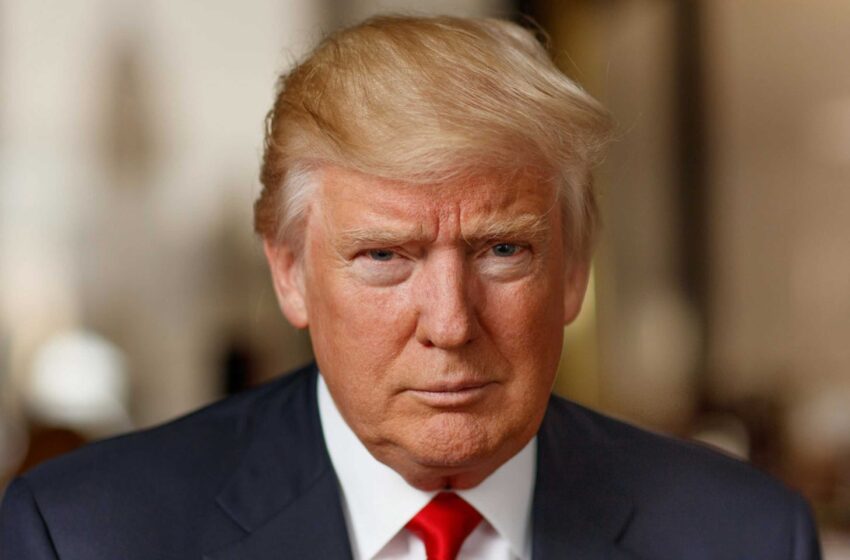
Donald Trump. Picture: David Hume Kennerly/Getty Images
The Trump administration has taken its immigration crackdown to the U.S. Supreme Court, seeking approval for a controversial policy that would allow federal authorities to detain certain undocumented immigrants without offering them a bond hearing, even if they have lived in the United States for many years.
The legal challenge could become one of the most significant immigration cases in recent years, with implications for millions of immigrants and the future interpretation of U.S. immigration law. If the Supreme Court sides with the administration, immigration officials would gain broader authority to keep people in detention while deportation proceedings continue, potentially for months or even years.
Trump Administration Seeks Supreme Court Intervention
On Friday, the administration formally asked the Supreme Court to overturn a federal appeals court decision that rejected its interpretation of immigration law governing mandatory detention.
Solicitor General John Sauer argued that the issue has created a growing conflict among federal appeals courts and has generated thousands of lawsuits nationwide. According to the administration, resolving the dispute quickly is essential to ensuring consistent enforcement of immigration laws.
The appeal comes just days after the Supreme Court delivered two major immigration victories for President Donald Trump, including allowing the administration to revoke deportation protections for hundreds of thousands of Haitian and Syrian migrants.
What Is the Immigration Detention Policy About?
At the center of the dispute is the administration’s interpretation of the Illegal Immigration Reform and Immigrant Responsibility Act of 1996.
For decades, federal authorities generally reserved mandatory immigration detention for individuals apprehended while entering the United States or shortly after crossing the border. Immigrants who had established lives within the country were typically allowed to request bond hearings before immigration judges while their deportation cases proceeded.
However, the Trump administration adopted a new interpretation in 2025, arguing that undocumented immigrants remain “applicants for admission” regardless of how long they have lived in the United States. Under that interpretation, they can be detained without the opportunity to request release on bond.
Administration lawyers argue that mandatory detention helps prevent individuals from failing to appear for immigration hearings and improves the government’s ability to carry out deportation orders.
Federal Courts Push Back Against the Policy
The administration’s position has faced widespread legal resistance.
Federal district judges across the country have repeatedly ruled against the policy, finding that it conflicts with both immigration law and constitutional due process protections. According to court filings, more than 9,000 individual rulings have challenged the administration’s interpretation.
In May, the Sixth U.S. Circuit Court of Appeals ruled that immigrants living in the country for years cannot automatically be classified as “applicants for admission” solely because they entered illegally. The court also concluded that denying bond hearings in such cases violates the Fifth Amendment’s guarantee of due process.
While several appellate courts have rejected the administration’s approach, others have sided with the government, creating a split among federal circuits that increases the likelihood of Supreme Court review.
READ ALSO
Millions Could Be Affected by the Outcome
Immigration experts say the case could reshape detention practices across the United States.
If the Supreme Court rules in favor of the administration, Immigration and Customs Enforcement (ICE) could detain undocumented immigrants who have lived in the country for years, even decades, without giving them the opportunity to argue for release before an immigration judge.
Many of those potentially affected have established families, jobs, and community ties, with some married to U.S. citizens or raising American-born children.
Opponents argue that automatically detaining long-term residents without individualized bond hearings represents a significant departure from decades of immigration practice and raises serious constitutional concerns.
Due Process at the Heart of the Legal Battle
The case extends beyond immigration enforcement and centers on constitutional protections.
Supporters of the administration argue that Congress intended mandatory detention to ensure immigration laws are enforced consistently and to prevent individuals from avoiding removal proceedings.
Critics counter that the government’s interpretation stretches the law beyond its original purpose and undermines fundamental due process rights guaranteed by the Constitution.
Several lower courts have emphasized that bond hearings have long been considered the default process for immigrants already living inside the United States while awaiting the outcome of their immigration cases.
What Happens Next?
The Supreme Court must first decide whether to hear the case.
If the justices grant review, the legal battle will likely become one of the court’s most closely watched immigration cases, with a ruling expected in a future term.
A decision in favor of the Trump administration could dramatically expand ICE’s detention authority nationwide. Conversely, if the Court upholds lower court rulings, it would reinforce existing due process protections and preserve access to bond hearings for many immigrants facing deportation proceedings.
As legal challenges continue, the case is expected to play a central role in shaping U.S. immigration policy and the balance between border enforcement and constitutional rights.
FAQ
What is Trump’s new immigration detention policy?
The Trump administration argues that many undocumented immigrants living in the United States—even those who have lived there for years, can be placed in mandatory immigration detention without being granted a bond hearing while their deportation cases are pending.
Why is the Trump administration asking the Supreme Court to intervene?
The administration wants the Supreme Court to overturn lower court rulings that blocked the policy and resolve disagreements among federal appeals courts over whether the government’s interpretation of immigration law is legal.
What is mandatory immigration detention?
Mandatory immigration detention requires certain non-citizens to remain in federal custody while immigration proceedings continue. Under this policy, detainees cannot request release through a bond hearing.
Who could be affected by Trump’s detention policy?
The policy could affect undocumented immigrants who have lived in the United States for years or even decades, including people with families, jobs, and long-term community ties.
Can immigrants still request a bond hearing under current law?
Many federal courts have ruled that immigrants living in the U.S. are entitled to bond hearings under existing immigration law and constitutional due process protections. However, the Trump administration disputes this interpretation.
Why have federal judges blocked the policy?
Many judges concluded that the administration’s interpretation of immigration law exceeds what Congress intended and may violate the Fifth Amendment’s guarantee of due process.
What law is at the center of the legal dispute?
The case centers on the Illegal Immigration Reform and Immigrant Responsibility Act (IIRIRA) of 1996 and how the phrase “applicant for admission” should be interpreted.
What is the Trump administration’s legal argument?
Government lawyers argue that undocumented immigrants who entered the U.S. illegally remain “applicants for admission” under federal law, regardless of how long they have lived in the country, making them eligible for mandatory detention.
What do opponents of the policy argue?
Opponents argue that the law was intended primarily for people arriving at or near the border—not individuals who have established lives inside the United States—and that denying bond hearings violates constitutional protections.
Has the Supreme Court ruled on the case yet?
No. The Trump administration has petitioned the Supreme Court to hear the case, but the justices have not yet issued a final decision.
Why is this Supreme Court case significant?
A ruling could reshape U.S. immigration enforcement, determine whether millions of undocumented immigrants are eligible for bond hearings, and clarify the constitutional limits of immigration detention.
How have lower courts ruled?
Federal district courts have overwhelmingly rejected the administration’s interpretation, while federal appeals courts are divided, prompting the administration to seek Supreme Court review.
Does the case affect legal immigrants?
The case primarily concerns undocumented immigrants facing removal proceedings. It does not directly change the legal status of lawful permanent residents or U.S. citizens.
Could the decision impact future immigration policy?
Yes. A Supreme Court ruling could become a major legal precedent, influencing immigration enforcement practices, detention policies, and due process rights for years to come.
When could the Supreme Court make a decision?
If the Court agrees to hear the case, oral arguments would likely take place in a future term, with a decision expected several months later. No final timeline has been announced.