

UN OHCHR Indigenous Fellowship Programme 2027: How to Apply

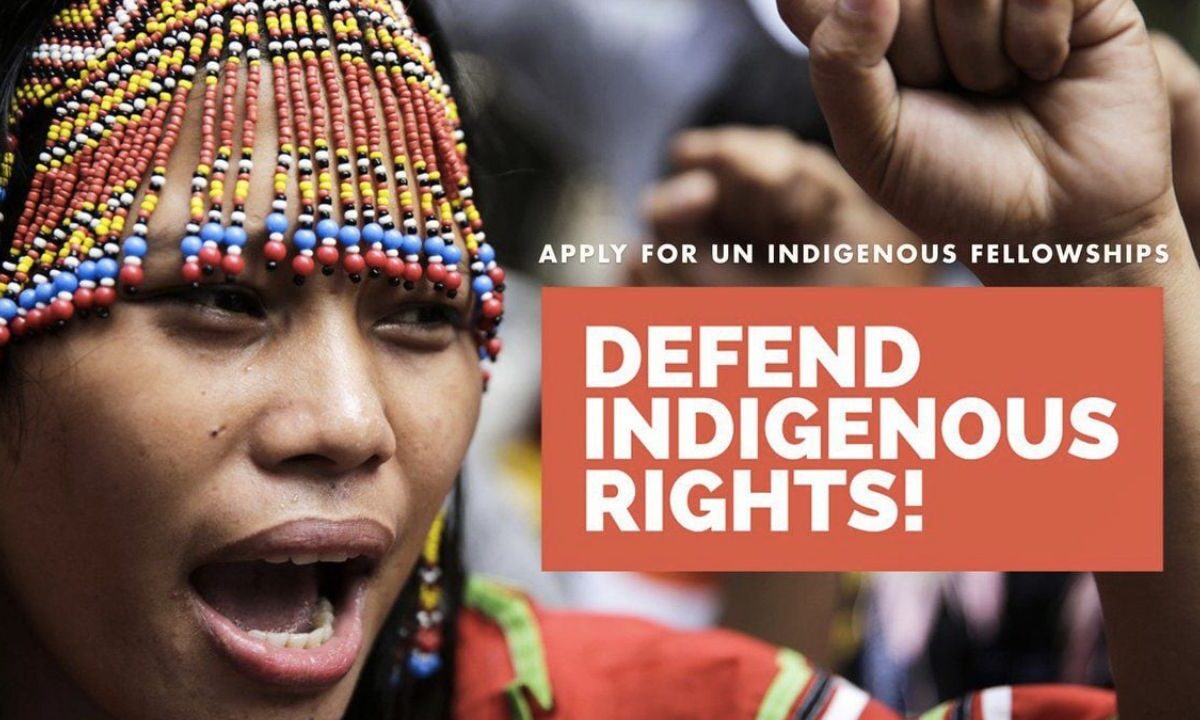
Applications are now open for the fully funded 2027 UN OHCHR Indigenous Fellowship Programme in Switzerland
The United Nations Office of the High Commissioner for Human Rights (OHCHR) has officially opened applications for the 2027 Indigenous Fellowship Programme, offering indigenous leaders from around the world a fully funded opportunity to receive specialized human rights training in Geneva, Switzerland.
The prestigious four-week fellowship is designed to strengthen participants’ understanding of the United Nations human rights system, indigenous rights mechanisms, and international advocacy. Successful applicants will receive return airfare, living expenses, and basic health insurance, removing financial barriers to participation.
With a September 6, 2026 application deadline, eligible indigenous candidates are encouraged to prepare their applications early.
What Is the United Nations OHCHR Indigenous Fellowship Programme?
Launched in 1997 during the first International Decade of the World’s Indigenous People, the OHCHR Indigenous Fellowship Programme aims to empower indigenous persons through education on international human rights standards and United Nations mechanisms.
Participants undergo intensive training in Geneva while interacting with UN experts, fellow advocates, and indigenous representatives from across different regions.
The programme also coincides with sessions of the Expert Mechanism on the Rights of Indigenous Peoples (EMRIP), giving fellows valuable exposure to global discussions on indigenous issues.
What Does the Fellowship Cover?
The fellowship is fully funded and provides successful applicants with:
- Return flight tickets to Switzerland
- Monthly living support throughout the programme
- Basic health insurance
- Participation in a four-week professional UN training programme
- Simultaneous interpretation for participants from different language groups
- Opportunities to network with indigenous leaders worldwide
The programme is conducted in Geneva and typically runs alongside major UN indigenous rights meetings.
Who Can Apply?
The fellowship is open to indigenous persons from all countries, provided they satisfy the programme’s eligibility requirements.
Applicants must:
- Be recognized as indigenous.
- Receive nomination and support from their indigenous community or organization.
- Demonstrate a good working knowledge of the programme language.
- Commit to sharing acquired knowledge with their communities after completing the fellowship.
The OHCHR also strongly encourages applications from:
- Indigenous women
- Indigenous LGBTQI+ persons
- Indigenous persons living with disabilities
Notably, age and formal educational qualifications are not barriers to participation.
READ ALSO
Commonwealth Fellowship Programme 2027: How to Apply
Clark University Presidential Scholarship 2027: How to Apply
How Fellows Are Selected
The selection process emphasizes diversity and inclusion.
According to the programme guidelines, previous indigenous fellows first conduct a pre-selection before shortlisted applicants undergo interviews.
The final list of successful participants is reviewed by an advisory committee made up of OHCHR officials.
Selection also considers:
- Gender balance
- Regional representation
- Community diversity
- Human rights situations across different countries
Due to the large number of applications, only shortlisted candidates will be contacted.
Documents Required
Applicants are expected to submit:
- A completed fellowship application form
- An official recommendation letter from an indigenous organization or community
- Supporting information requested in the online application
Incomplete applications will not be considered.
How to Apply
Interested candidates should complete the online application before September 6, 2026.
Applicants should:
- Visit the official OHCHR fellowship application portal.
- Complete every section of the application form.
- Upload an official recommendation letter from their indigenous community or organization.
- Submit the application before the deadline.
Applicants are advised to carefully review all requirements before submission.
Why the Fellowship Matters
The OHCHR Indigenous Fellowship has become one of the United Nations’ flagship capacity-building initiatives for indigenous communities.
Graduates return to their home countries equipped with stronger knowledge of international human rights law, advocacy strategies, policy engagement, and community leadership.
Beyond professional development, the programme creates an international network of indigenous leaders working together to promote and protect indigenous rights across the globe.
With full financial support and access to UN institutions, the fellowship offers participants an opportunity to strengthen their advocacy skills while contributing to long-term development within their communities.
FAQ
What is the United Nations OHCHR Indigenous Fellowship Programme?
The United Nations OHCHR Indigenous Fellowship Programme is a fully funded training initiative that equips indigenous persons with knowledge of the UN human rights system and indigenous rights mechanisms. The programme is coordinated by the Office of the High Commissioner for Human Rights (OHCHR).
Is the UN OHCHR Indigenous Fellowship fully funded?
Yes. Selected participants receive return airfare, living expenses, basic health insurance, and full participation in the four-week training programme in Geneva, Switzerland.
Where is the fellowship held?
The programme takes place in Geneva, Switzerland, where participants receive training from the United Nations Office of the High Commissioner for Human Rights.
Who can apply for the OHCHR Indigenous Fellowship?
Applicants must:
- Be indigenous.
- Be supported by an indigenous organization or community.
- Have sufficient knowledge of the programme language.
- Commit to sharing what they learn with their community after the fellowship.
Can applicants from any country apply?
Yes. The fellowship is open to eligible indigenous applicants from countries around the world, provided they meet the programme’s requirements.
Do applicants need a university degree?
No. Formal education is not a mandatory requirement because the programme recognizes that many indigenous communities face barriers to accessing higher education.
Is there an age limit?
No. The programme states that age should not limit participation.
How long does the fellowship last?
The training lasts four weeks and is conducted in Geneva.
What expenses are covered?
Successful fellows receive:
- Return international flights
- Living expenses
- Basic health insurance
- Participation in the official training programme
What documents are required?
Applicants must submit:
- A completed application form
- An official recommendation letter from their indigenous organization or community
- Any additional information requested in the application portal
When is the application deadline?
Applications close on September 6, 2026.
How are participants selected?
Selection includes pre-screening by former indigenous fellows, interviews for shortlisted candidates, and final review by an OHCHR advisory committee. Diversity, regional representation, and gender balance are also considered.
Why is this fellowship important?
The fellowship helps indigenous leaders gain practical knowledge of international human rights systems, strengthens advocacy skills, builds global networks, and enables participants to promote indigenous rights within their own communities after returning home.