

Supreme Court backs Trump Administration TPS crackdown: 356,000 Haitian and Syrian immigrants face deportation risk

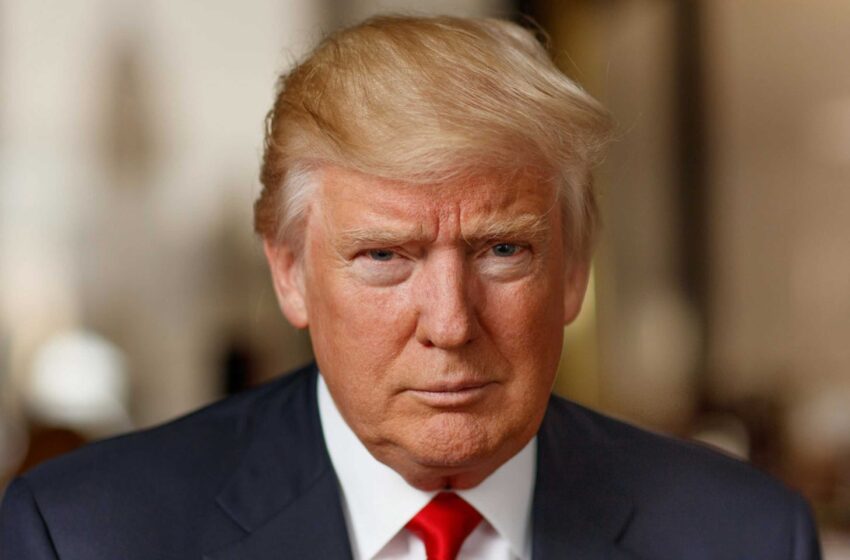
Donald Trump. Picture: David Hume Kennerly/Getty Images
A major immigration ruling from the U.S. Supreme Court has cleared the way for the Trump administration to end Temporary Protected Status (TPS) for hundreds of thousands of Haitian and Syrian immigrants, a decision that could reshape immigration policy and place many families at risk of deportation.
In a closely watched 6-3 ruling issued on June 25, 2026, the Supreme Court sided with the Trump administration, allowing the federal government to proceed with plans to terminate TPS protections for approximately 350,000 Haitians and 6,000 Syrians currently living in the United States. The decision represents another significant victory for President Donald Trump’s immigration agenda and could have far-reaching implications for immigrants from other countries benefiting from similar protections.
What the Supreme Court’s TPS Ruling Means
Temporary Protected Status is a humanitarian program established in 1990 that allows individuals from countries affected by war, natural disasters, or other extraordinary conditions to live and work legally in the United States for designated periods.
Under the court’s ruling, affected Haitian and Syrian TPS holders could lose their legal protections and become subject to standard immigration enforcement procedures. While the ruling does not automatically result in deportations, it removes a critical layer of legal protection that has allowed many recipients to remain in the country for years.
Immigrants impacted by the decision may still seek alternative legal pathways to remain in the United States, including asylum applications or other forms of immigration relief where eligible.
Supreme Court Majority Sides with Trump Administration
The Supreme Court’s conservative majority concluded that federal courts have limited authority to review decisions made by the Department of Homeland Security regarding TPS designations.
Writing for the majority, Justice Samuel Alito stated that federal law explicitly restricts judicial review of decisions involving the extension or termination of Temporary Protected Status. The court also rejected claims that the administration’s decision regarding Haiti was motivated by racial discrimination.
The ruling marks another legal victory for the administration after previous Supreme Court decisions allowed the termination of TPS protections for hundreds of thousands of Venezuelan immigrants.
White House officials welcomed the decision, arguing that TPS was always intended to be temporary rather than a permanent pathway to remain in the United States.
Dissenting Justices Raise Concerns Over Discrimination Claims
The court’s three liberal justices dissented, with Justice Elena Kagan criticizing the majority’s handling of allegations that anti-Haitian bias influenced the administration’s decision.
In her dissent, Kagan cited several controversial remarks made by President Trump regarding Haiti and Haitian immigrants, arguing that such statements should have been given greater consideration when evaluating claims of discrimination.
The disagreement highlights the broader legal and political debate surrounding immigration enforcement, executive authority, and the role of courts in reviewing federal immigration policies.
READ ALSO
Advocates Warn of Humanitarian Consequences
Immigrant rights organizations, attorneys, and advocacy groups reacted strongly to the ruling, warning that thousands of individuals could face dangerous conditions if forced to return to their home countries.
Legal representatives for Haitian TPS holders argued that many recipients originally fled severe instability, violence, and humanitarian crises. Advocacy groups emphasized that many TPS beneficiaries have lived in the United States for years, built careers, paid taxes, and raised families.
Several organizations expressed concern about the potential impact on children, employers, and local communities that depend on TPS recipients.
For Syrian beneficiaries, advocates noted that security concerns continue to affect parts of the region despite changes in conditions cited by the federal government.
Trump Administration Says Conditions Have Improved
The Trump administration defended its decision by arguing that conditions in Haiti and Syria no longer justify continued TPS designation.
Former Homeland Security Secretary Kristi Noem determined that both countries no longer met the legal requirements for ongoing TPS protection.
However, critics point to existing U.S. State Department travel advisories, which continue to warn Americans against traveling to both Haiti and Syria because of security concerns, violence, and instability.
The contrasting assessments have become a central point of contention in the legal battle over the future of TPS protections.
Broader Impact on U.S. Immigration Policy
Immigration experts say the ruling could extend beyond Haitian and Syrian nationals. The decision may strengthen the administration’s efforts to terminate TPS protections for individuals from other countries, including Afghanistan and Cameroon.
According to immigration advocacy organizations, approximately 1.3 million people from 17 countries were covered by TPS as of 2025. Legal analysts believe the Supreme Court’s ruling could influence ongoing litigation involving other TPS groups.
The decision also reinforces executive authority over immigration policy and may shape future debates regarding humanitarian protections and immigration enforcement.
What’s Next for TPS Holders?
Although the Supreme Court’s decision permits the administration to proceed with TPS termination, affected individuals may still pursue other legal avenues to remain in the country.
Immigration attorneys are reviewing the ruling to determine potential next steps, while advocacy groups continue to explore additional legal challenges and legislative solutions.
For hundreds of thousands of Haitian and Syrian immigrants, however, the ruling creates significant uncertainty about their future status in the United States and marks one of the most consequential immigration decisions of President Trump’s second term.
FAQ
What is Temporary Protected Status (TPS)?
Temporary Protected Status (TPS) is a humanitarian immigration program that allows eligible nationals of designated countries experiencing war, natural disasters, or other extraordinary conditions to live and work legally in the United States for a temporary period.
What did the Supreme Court decide regarding TPS?
The Supreme Court ruled 6-3 in favor of the Trump administration, allowing it to terminate TPS protections for approximately 350,000 Haitians and 6,000 Syrians living in the United States.
How many people are affected by the ruling?
The decision impacts roughly 356,000 TPS holders from Haiti and Syria who could lose legal protections that currently allow them to remain and work in the United States.
Does the ruling mean immediate deportation?
No. The ruling does not automatically deport affected individuals. However, it removes TPS protections, meaning recipients may become subject to normal immigration enforcement procedures if they do not qualify for another legal status.
Why did the Trump administration seek to end TPS?
The administration argued that conditions in Haiti and Syria had improved sufficiently and no longer met the legal standards required for continued TPS designation.
What countries currently have TPS designation?
TPS has historically been granted to countries facing armed conflict, environmental disasters, or extraordinary humanitarian crises. Countries have included Haiti, Syria, Venezuela, Afghanistan, Cameroon, and others.
Can TPS holders apply for asylum?
Yes. Some TPS recipients may be eligible to seek asylum or pursue other immigration benefits depending on their circumstances.
Why are immigrant advocates concerned about the ruling?
Advocates argue that many TPS holders could face violence, instability, or humanitarian hardships if returned to their countries of origin. They also point out that many recipients have lived in the U.S. for years and established families and careers.
What did Justice Elena Kagan say in her dissent?
Justice Kagan argued that the majority failed to adequately consider evidence suggesting anti-Haitian bias may have influenced the administration’s decision to terminate TPS protections.
Does the ruling affect other immigrant groups?
Potentially. Legal experts believe the decision could strengthen efforts to terminate TPS protections for immigrants from other designated countries.
What legal options remain for affected immigrants?
Options may include asylum applications, family-based immigration pathways, employment-based visas, adjustment of status where available, or other forms of humanitarian relief.
What is the broader significance of this ruling?
The decision reinforces executive authority over immigration policy and may influence future legal battles involving humanitarian protections and deportation policies.
Is Haiti currently considered safe?
The U.S. State Department continues to advise against travel to Haiti due to widespread violence, kidnappings, armed crime, and political instability.
Is Syria currently considered safe?
The U.S. State Department continues to maintain a “Do Not Travel” advisory for Syria, citing ongoing violence, terrorism threats, and security risks.
Could Congress intervene?
Congress has the authority to pass legislation affecting immigration policy, including potential reforms related to TPS, though no immediate legislative action has been announced.
Why is this ruling significant for Trump’s immigration agenda?
The ruling represents a major legal victory for President Trump’s efforts to reduce temporary immigration protections and expand immigration enforcement measures during his second term.