

Trump rushes to Supreme Court to revive mail voting Executive Order ahead of midterms: What it could mean for millions of voters

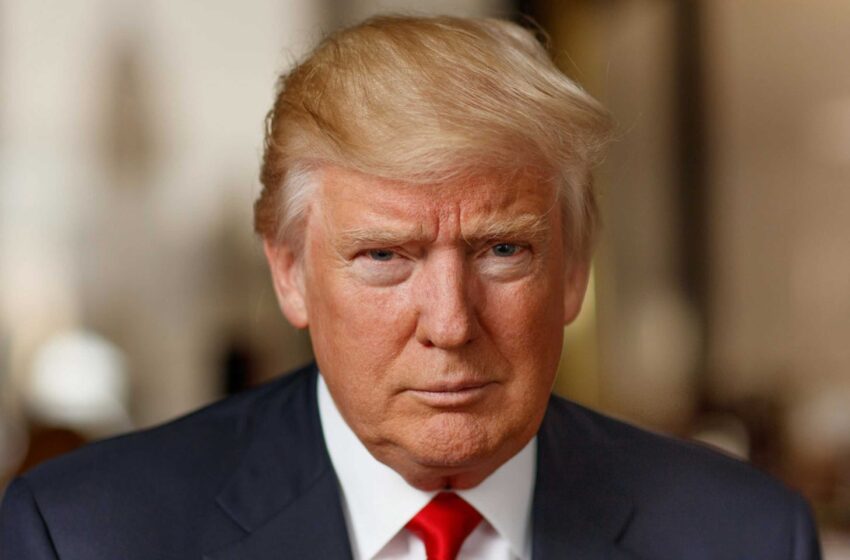
Donald Trump. Picture: David Hume Kennerly/Getty Images
The Trump administration has asked the U.S. Supreme Court to revive a controversial executive order aimed at tightening mail-in voting rules, setting up one of the most significant election law battles ahead of the 2026 U.S. midterm elections.
The emergency request comes after federal courts blocked major portions of President Donald Trump’s March executive order, ruling that the president likely exceeded his constitutional authority by attempting to reshape election procedures that are traditionally controlled by Congress and individual states.
With millions of Americans expected to vote by mail in November, the Supreme Court’s eventual decision could influence how absentee ballots are handled across the country and determine the limits of presidential authority over federal elections.
Why Trump Is Asking the Supreme Court to Intervene
The Trump administration filed an emergency application asking the Supreme Court to overturn a lower court ruling that halted key provisions of the executive order.
Solicitor General D. John Sauer argued that the appeals court decision causes “serious irreparable harm” by preventing federal agencies from enforcing measures the administration says are necessary to improve election integrity before November’s elections.
The Supreme Court has directed the challengers to submit their response by August 3, after which the justices will determine whether the order can take effect while litigation continues.
What Trump’s Mail Voting Executive Order Would Do
Signed in March 2026, the executive order contains several measures designed to increase federal involvement in mail voting administration.
Among its major provisions, the order would:
- Expand federal oversight of mail-in voting procedures.
- Direct the Department of Homeland Security to help develop state-by-state citizenship lists for voter eligibility.
- Encourage the U.S. Postal Service to work with states in determining eligibility for voting by mail.
- Promote stricter verification procedures for absentee ballots.
The administration argues these policies are intended to prevent voter fraud and ensure confidence in federal elections.
Why Federal Courts Blocked the Executive Order
More than 20 Democratic attorneys general challenged the executive order shortly after it was signed.
They argued that:
- The Constitution gives election administration authority primarily to Congress and the states.
- The president cannot unilaterally rewrite election rules through executive action.
- Several provisions violate the constitutional principle of separation of powers.
In June, U.S. District Judge Indira Talwani ruled that the Constitution “does not grant the President any specific powers over elections,” blocking major parts of the order.
Last weekend, the U.S. Court of Appeals for the First Circuit upheld that decision, warning that allowing the order to take effect so close to the midterms could create confusion and potentially disenfranchise eligible voters.
READ ALSO
Trump Pressures Senate Majority Leader John Thune to Advance SAVE America Act
Mail ballots, voter data and lawsuits: Why Trump’s new postal voting plan is facing backlash
How the Supreme Court Has Previously Ruled on Mail Voting
The administration’s latest request comes only weeks after the Supreme Court rejected another effort to restrict mail voting.
In June, the Court allowed Mississippi’s law permitting ballots postmarked by Election Day to be counted if received within five business days afterward.
Chief Justice John Roberts and Justice Amy Coney Barrett joined the Court’s liberal justices in concluding that federal law does not require ballots to physically arrive by Election Day, provided they were legally cast on time.
That ruling also preserved similar mail-ballot laws in multiple states, including several politically competitive districts.
The earlier decision has fueled debate over whether the Court will again decline Trump’s request.
The Constitutional Question at the Center of the Case
The dispute is about more than mail ballots.
Legal experts say the case raises broader constitutional questions regarding executive power.
At issue is whether a president can independently establish election policies that have traditionally been governed by Congress or state legislatures.
Supporters of the administration argue presidents have authority to direct federal agencies involved in election administration.
Opponents counter that allowing presidents to change voting rules without congressional approval would significantly expand executive authority beyond constitutional limits.
Political Stakes Ahead of the 2026 Midterms
The case arrives just months before Americans vote in congressional elections that will determine control of the House and Senate.
Mail voting has remained politically contentious since the 2020 election, with Republicans generally advocating tighter restrictions while many Democrats support broader access to absentee voting.
A Supreme Court ruling allowing Trump’s executive order to proceed could affect how some states administer mail ballots before November.
If the Court declines the request, the lower court injunction will likely remain in place while the broader constitutional challenge continues.
What Happens Next?
The challengers have until August 3 to respond to the administration’s emergency filing.
After reviewing both sides, the Supreme Court could:
- Allow the executive order to take effect temporarily.
- Keep the injunction in place.
- Issue a more detailed opinion explaining its reasoning.
- Decline emergency relief while allowing the underlying lawsuit to continue through lower courts.
Regardless of the immediate outcome, the constitutional questions surrounding presidential authority over election administration are expected to remain central legal issues well beyond the 2026 election cycle.
FAQ
What is Trump’s mail voting executive order?
It is a March 2026 executive order intended to increase federal oversight of mail-in voting, strengthen voter eligibility verification, and direct federal agencies to assist with election administration.
Why did Trump ask the Supreme Court to intervene?
The administration wants the Supreme Court to reverse lower court decisions that blocked major parts of the executive order before the November 2026 midterm elections.
Why was the executive order blocked?
Federal courts ruled that the Constitution assigns primary authority over elections to Congress and the states, not the president, making key parts of the order likely unconstitutional.
What did the appeals court decide?
The First Circuit Court of Appeals upheld a lower court ruling blocking the executive order, saying implementing it before the election could create confusion and risk disenfranchising eligible voters.
What is the Supreme Court considering?
The Court is deciding whether to temporarily allow the executive order to take effect while the broader legal challenge continues.
Does the president have authority over elections?
The Constitution gives Congress and state legislatures primary responsibility for regulating elections. Presidents may direct executive agencies but generally cannot rewrite election laws on their own.
What changes would the executive order make?
The order seeks greater federal involvement in voter eligibility verification, expanded coordination between federal agencies and states, and tighter oversight of mail voting practices.
When will the Supreme Court make a decision?
The challengers must respond by August 3, 2026. The Court may rule shortly afterward on the emergency request, although no specific timeline has been announced.
Could this affect the 2026 midterm elections?
Yes. If the Supreme Court allows the executive order to take effect, some aspects of mail voting administration could change before voters cast ballots in November.
What happens if the Supreme Court denies Trump’s request?
The lower court injunction would remain in place, preventing enforcement of the blocked provisions while the case proceeds through the federal courts.
What is mail-in voting?
Mail-in voting allows eligible voters to receive, complete, and return ballots through the mail or designated drop-off locations rather than voting in person.
Why is mail voting controversial?
Supporters argue it improves voter access and participation. Critics say stronger safeguards are needed to prevent fraud, though widespread voter fraud involving mail ballots has not been established in court rulings.
Could this case reshape presidential powers?
Potentially. The case may clarify how much authority future presidents have to direct federal agencies in matters involving election administration without congressional approval.
What is the separation of powers issue in this case?
The lawsuit argues that the executive branch cannot assume powers reserved for Congress and the states, making separation of powers the central constitutional issue before the courts.