

Federal Judge blows up Trump’s IRS deal, calls $1.8 Billion settlement ‘self-dealing’ in major legal setback

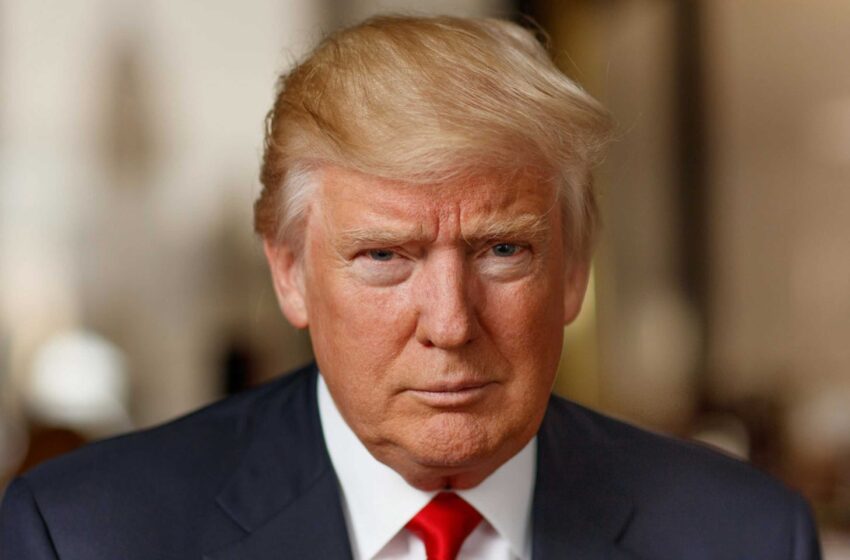
Donald Trump. Picture: David Hume Kennerly/Getty Images
A federal judge has dealt President Donald Trump and his administration a significant legal setback after ruling that a controversial settlement involving the Internal Revenue Service (IRS) and the Department of Justice (DOJ) was unlawful.
In a sharply worded decision issued on Monday, U.S. District Judge Kathleen Williams struck down the proposed $1.8 billion settlement agreement, arguing that the case appeared to be an improper attempt to use the courts to legitimize a political arrangement that benefited individuals and entities associated with the president.
The ruling has immediately intensified scrutiny of the Trump administration and raised fresh questions about the legal and constitutional boundaries of executive power.
How the Trump IRS Lawsuit Began
The dispute traces back to January 2026, when President Trump filed a massive $10 billion lawsuit against the IRS, accusing the agency of failing to prevent the disclosure of his tax returns during his first term in office.
Trump alleged that the leak caused reputational and financial damage, leading his legal team to seek substantial compensation from the federal government.
Subsequently, Trump’s Department of Justice negotiated a settlement that proposed allocating $1.8 billion toward an “Anti-Weaponization Fund,” which administration officials said would compensate individuals allegedly harmed by political targeting and government overreach.
The agreement also reportedly included broad tax protections for Trump and affiliated entities.
Judge Kathleen Williams Raises Constitutional Concerns
Judge Williams rejected the settlement, arguing that the parties involved were not genuinely adversarial, a constitutional requirement for civil litigation in federal courts.
In her ruling, Williams stated that the lawsuit and subsequent agreement appeared to be an attempt to confer legal legitimacy on an arrangement that lacked a proper legal foundation.
According to the judge, the settlement sought to direct billions of taxpayer dollars toward grievances that were “not defined in the law” while potentially granting immunity and protections to people linked to the president.
The court described the situation as a form of self-dealing, a term generally used when public officials use their positions to secure benefits for themselves or their associates.
READ ALSO
Mail ballots, voter data and lawsuits: Why Trump’s new postal voting plan is facing backlash
Anti-Weaponization Fund Already Facing Political Backlash
Even before Monday’s ruling, the proposed Anti-Weaponization Fund had encountered resistance from lawmakers in both parties.
Several Republicans and Democrats questioned the legality and necessity of creating a multibillion-dollar compensation mechanism using taxpayer funds.
The administration had already begun distancing itself from aspects of the proposal amid mounting criticism.
The judge’s decision now significantly complicates any future efforts to revive the settlement and may fuel broader debates about executive authority and the use of federal litigation.
Legal Ethics Questions Emerge
The ruling also carries serious professional implications.
Judge Williams referred attorney Alejandro Brito, who represented Trump in the case, along with senior Justice Department officials who approved the settlement, to state bar authorities for possible review of their conduct.
Williams additionally pointed to concerns regarding Acting Attorney General Todd Blanche, suggesting that he appeared to be acting on behalf of both the plaintiff and the government during portions of the proceedings.
The development comes at a sensitive moment for Blanche, who is reportedly preparing for an upcoming confirmation hearing.
Legal experts say the ethics referrals could intensify political pressure on administration officials and trigger further investigations into how the settlement was negotiated.
Political Fallout for Trump Administration
The ruling marks one of the most significant judicial rebukes faced by the Trump administration in recent months.
While Trump has repeatedly argued that he and his supporters were victims of political targeting and “lawfare,” critics contend that the settlement represented an unprecedented attempt to direct government resources toward politically aligned interests.
The case is also likely to become a major talking point ahead of future political battles, with opponents expected to cite the judge’s findings as evidence of executive overreach.
For now, the court’s decision effectively blocks the settlement and leaves unresolved Trump’s original claims regarding the leak of his tax records.
The administration has not yet indicated whether it intends to appeal the ruling, but legal observers expect the case to remain at the center of national political and constitutional debate in the coming weeks.
FAQ
What is the Trump IRS lawsuit about?
The lawsuit stems from Trump’s claim that the IRS failed to prevent the disclosure of his tax returns during his first term as president. He sought $10 billion in damages.
Why did the judge block Trump’s IRS settlement?
Judge Kathleen Williams ruled that the settlement was unconstitutional because the parties were not genuinely adversarial and that the arrangement appeared to constitute self-dealing.
What is the Anti-Weaponization Fund?
The proposed Anti-Weaponization Fund was a $1.8 billion initiative intended to compensate individuals allegedly harmed by government “weaponization” and political targeting.
What does ‘self-dealing’ mean in this case?
Self-dealing refers to allegations that public officials used government processes to benefit themselves or politically connected individuals rather than serving the public interest.
Did Trump win the IRS lawsuit?
No. The proposed settlement was voided by the court, representing a significant legal setback for Trump and his administration.
Can Trump appeal the ruling?
Yes. Trump or the Department of Justice may choose to appeal the decision to a higher court.
Why are legal ethics concerns being raised?
Judge Williams referred lawyers and senior Justice Department officials to state bar authorities to determine whether professional ethics rules may have been violated during the settlement process.
Who is Judge Kathleen Williams?
Kathleen Williams is a U.S. District Judge who issued the ruling voiding the settlement and raising concerns about constitutional and ethical issues surrounding the case.
What role did Todd Blanche play in the case?
The judge suggested that Acting Attorney General Todd Blanche appeared to be representing both Trump and the government during aspects of the proceedings, raising concerns about conflicts of interest.
Why is this case politically significant?
The ruling could have major political implications because it raises questions about executive authority, the use of taxpayer funds and allegations of political favoritism within the administration.
What happens next in the case?
The settlement is currently blocked, and legal experts expect further appeals, investigations and political scrutiny in the coming months.
Why were Trump’s tax returns controversial?
Trump became the first major presidential candidate in decades not to voluntarily release his tax returns during his campaigns, making later disclosures highly controversial and politically sensitive.