

DOJ declares $1.8 billion anti-weaponization fund dead as Federal lawsuits intensify and Trump faces new scrutiny

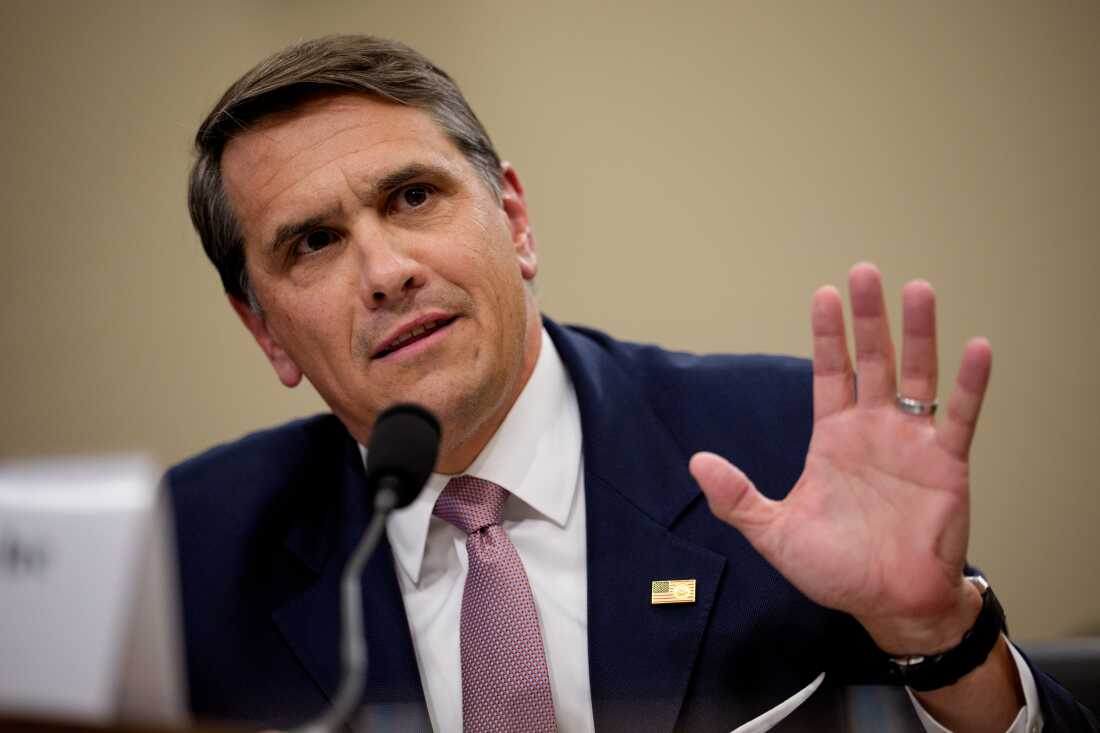
Acting U.S. Attorney General Todd Blanche testifies during a House committee hearing on June 2 in Washington, D.C. Andrew Harnik/Getty Images
The U.S. Department of Justice has formally informed federal courts that its controversial $1.7 billion to $1.8 billion anti-weaponization fund is no longer moving forward, marking a significant development in a legal and political battle that has drawn criticism from lawmakers across party lines.
The announcement came through court filings submitted on June 5, 2026, in response to multiple lawsuits challenging the program. The Justice Department argued that the legal challenges should be dismissed because the fund has effectively been abandoned, leaving no active dispute for courts to resolve.
The decision represents the first time the Trump administration has formally stated in writing that the highly debated program will not proceed.
What Was the DOJ Anti-Weaponization Fund?
The anti-weaponization fund emerged from a settlement involving President Donald Trump’s lawsuit against the Internal Revenue Service (IRS) over the unauthorized disclosure of his tax records by a government contractor.
Under the settlement, approximately $1.7 billion to $1.8 billion would have been directed into a special compensation program intended to assist individuals who claimed they had been victims of “lawfare” or government “weaponization.”
Supporters argued the initiative would provide relief for people who believed they were unfairly targeted by government agencies. Critics, however, warned that the fund lacked sufficient oversight and clear eligibility standards.
Federal Lawsuits Prompted Intense Scrutiny
The program quickly became the target of multiple lawsuits filed in federal courts.
One lawsuit was brought by the watchdog organization Citizens for Responsibility and Ethics in Washington (CREW), while another was filed by a coalition of plaintiffs that included a former federal prosecutor involved in cases related to the January 6, 2021, U.S. Capitol attack.
Opponents argued that the fund could be used in ways that exceeded legal authority and potentially distribute taxpayer-backed compensation without adequate safeguards.
The lawsuits sought court intervention to prevent the fund from being established and to stop any potential payouts.
DOJ Tells Judges the Cases Are Now Moot
In filings submitted to federal courts in Washington, D.C., and Virginia, Justice Department officials asserted that the legal disputes are now moot because the program is no longer being pursued.
According to DOJ attorneys, the anti-weaponization fund “had not been set up and is now not going forward.”
The department argued that courts should avoid becoming involved in a political issue that has already been resolved through public debate and policy decisions.
Justice Department lawyers also maintained that the plaintiffs lack legal standing, arguing they cannot demonstrate direct harm from a fund that was never fully established and is no longer being implemented.
READ ALSO
Trump’s $1.8 Billion anti-weaponization fund faces GOP revolt: Why republicans want it shut down
Temporary Court Block Added Pressure
The controversy intensified after U.S. District Judge Leonie Brinkema issued a temporary order preventing the Justice Department from taking further steps to establish the fund.
The ruling was designed to preserve the status quo while the court considered requests for longer-term relief.
Although the judge did not rule on the legality of the program itself, the temporary block significantly increased pressure on the administration and contributed to growing congressional concerns.
Why Lawmakers Opposed the Program
One of the biggest concerns surrounding the fund involved questions about who could potentially qualify for compensation.
Some lawmakers worried that individuals involved in the January 6 Capitol riot could become eligible for payments, including people convicted of offenses related to the attack.
The possibility sparked bipartisan criticism and created tension during congressional negotiations over a broader immigration funding package.
Several Republican and Democratic lawmakers sought additional restrictions or guardrails for the fund, arguing that taxpayer money should not be distributed without clear standards and oversight mechanisms.
Todd Blanche Says the Fund Is Over
Acting Attorney General Todd Blanche publicly stated earlier this week that the Justice Department would not move forward with the initiative.
During testimony before lawmakers, Blanche declared that the department was not pursuing the fund “period.”
His remarks became a central piece of the DOJ’s court filings as attorneys argued that judicial intervention is unnecessary because the program has already been abandoned.
However, questions remained after President Donald Trump offered mixed messages, describing the proposal as “a beautiful thing” while also saying he would need to consult lawyers regarding its future status.
What Happens Next?
While the DOJ is asking federal judges to dismiss the lawsuits, courts must still determine whether the cases should proceed despite the government’s claim that the program has been abandoned.
Legal experts note that judges sometimes continue reviewing cases if there is concern that a challenged policy could be revived in the future.
For now, however, the Justice Department’s position is clear: the anti-weaponization fund is no longer moving forward.
The development marks a major turning point in one of the Trump administration’s most controversial legal and political disputes of 2026, though questions about oversight, executive authority, and the broader settlement that created the proposal are likely to remain part of the national debate.
FAQ
What is the DOJ anti-weaponization fund?
The anti-weaponization fund was a proposed compensation program worth approximately $1.7 billion to $1.8 billion. It was created as part of a settlement involving President Donald Trump’s lawsuit against the IRS.
Why was the anti-weaponization fund controversial?
Critics argued the program lacked clear oversight and eligibility rules. Some lawmakers feared it could potentially provide payments to individuals connected to the January 6 Capitol attack.
Is the anti-weaponization fund officially canceled?
The Justice Department has informed federal courts that the fund is not moving forward and has effectively been abandoned.
Who announced the end of the fund?
Acting Attorney General Todd Blanche publicly stated that the Justice Department would not continue with the program. The DOJ later confirmed this position in official court filings.
Why were lawsuits filed against the program?
Plaintiffs argued that the fund raised constitutional and legal concerns and sought court orders to stop it from being established.
Who challenged the DOJ program?
Challenges were brought by Citizens for Responsibility and Ethics in Washington (CREW), former prosecutors, advocacy groups, and other plaintiffs.
Did a judge block the anti-weaponization fund?
Yes. Judge Leonie Brinkema temporarily blocked the DOJ from moving forward with the fund while legal challenges were being reviewed.
Could January 6 participants have received money?
The administration never fully ruled out that possibility, which became one of the biggest sources of bipartisan criticism.
What role did Congress play in the controversy?
Lawmakers from both parties questioned the program and sought safeguards to prevent controversial payouts.
Can the anti-weaponization fund be revived later?
While the DOJ says the program is dead, courts may still examine whether future administrations could attempt to revive a similar initiative.
What happens to the lawsuits now?
Federal judges will decide whether the cases should be dismissed as moot or continue despite the DOJ’s decision to abandon the program.
What does this mean for the Trump IRS settlement?
According to DOJ officials, other provisions of the settlement remain intact, including protections related to past tax-return actions involving Trump and his business entities.