

Trump’s new ICC policy explained: Why the US wants to dismantle the International Criminal Court

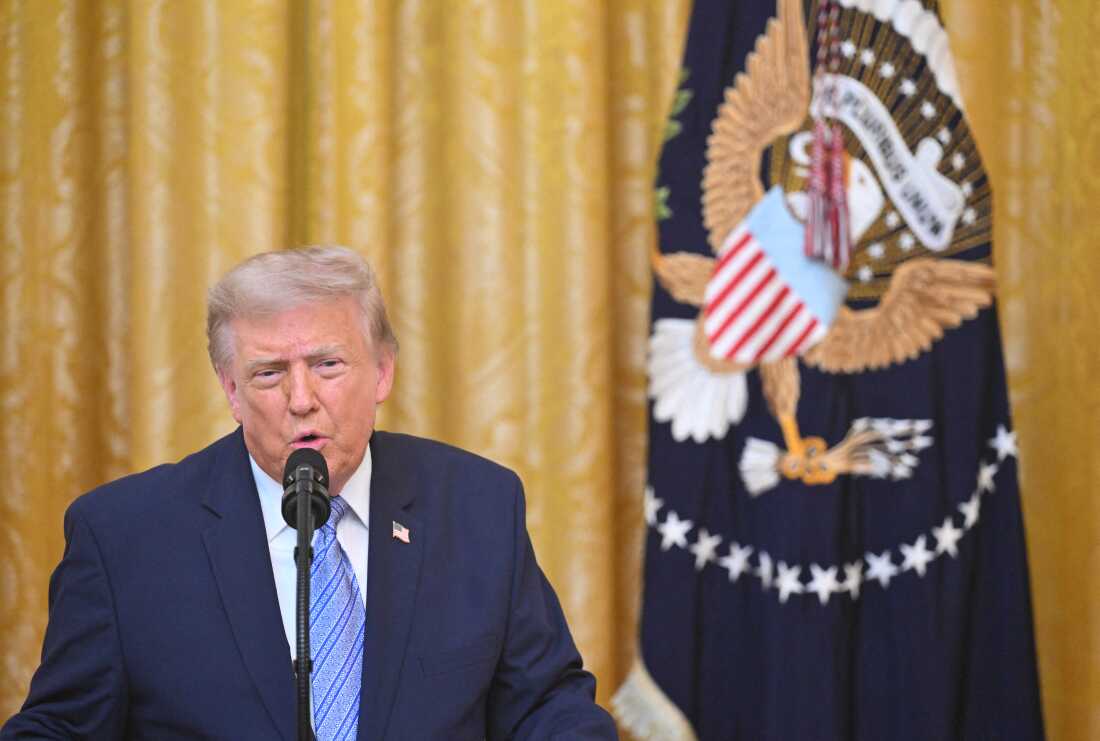
President Trump addresses the nation from the East Room of the White House. Image Credit: Saul Loeb/Pool/AFP via Getty Images
The Trump administration has intensified its opposition to the International Criminal Court (ICC), announcing a policy aimed at dismantling the Hague-based tribunal “brick by brick.” The move has sparked renewed debate over international justice, accountability for war crimes, and the future of the global rules-based order.
The policy represents one of the strongest positions ever taken by the United States against the ICC. Human rights advocates and legal experts warn that weakening the world’s only permanent international criminal court could have lasting implications for victims of genocide, crimes against humanity, and war crimes.
What Is Trump’s New ICC Policy?
The latest policy announced by the U.S. State Department signals an expanded campaign against the International Criminal Court. According to the administration, Washington intends to challenge what it describes as the ICC’s “false authority” and discourage allied nations from supporting the court.
The policy goes beyond diplomatic criticism. It includes increased scrutiny of countries that continue backing the ICC while benefiting from U.S. security and financial assistance.
The administration has also expanded sanctions targeting ICC officials and judges involved in investigations that affect U.S. interests or key allies.
Why Is Trump Targeting the International Criminal Court?
Donald Trump has maintained a critical stance toward the ICC since his first presidency.
During his earlier administration, sanctions were imposed on ICC officials after the court investigated alleged war crimes involving U.S. military personnel in Afghanistan.
The latest confrontation intensified after the ICC issued an arrest warrant for Israeli Prime Minister Benjamin Netanyahu over alleged war crimes in Gaza. The court’s actions prompted fresh U.S. sanctions against senior ICC officials, including former chief prosecutor Karim Khan.
Supporters of the administration argue that the ICC lacks jurisdiction over non-member states like the United States and Israel. Critics contend that weakening the court undermines accountability for serious international crimes.
Sanctions Against ICC Officials Expand
The Trump administration’s measures extend beyond diplomatic pressure.
Current and former ICC officials face travel restrictions, financial sanctions, and limitations affecting access to banking services and U.S.-based technology platforms.
Legal experts note that sanctions can significantly disrupt professional and personal lives by restricting access to financial systems, digital services, and international business transactions.
Observers say these measures could also complicate the court’s ability to preserve evidence, communicate securely, and conduct investigations.
READ ALSO
Benjamin Netanyahu controversy deepens after NYC Mayor backs ICC warrant
Trump says he’s “close” to ordering massive new attack on Iran as Middle East teeters on the brink
Could U.S. Allies Face Pressure?
One of the most controversial aspects of the policy is Washington’s warning that countries continuing to support the ICC could face closer scrutiny regarding U.S. assistance.
Several European nations—including major financial contributors to the court—have reaffirmed their commitment to the ICC despite growing political pressure.
The development may test relationships between the United States and allies that regard international criminal justice as an essential pillar of global security and accountability.
The ICC Faces Internal Challenges
The court is confronting difficulties beyond geopolitical pressure.
Former Chief Prosecutor Karim Khan has been suspended following findings of serious misconduct by the ICC’s governing body. Khan has denied wrongdoing.
The institution has also faced criticism over lengthy investigations, unsuccessful prosecutions, and complex legal procedures that have delayed several high-profile cases.
Past cases involving Kenya’s post-election violence highlighted concerns over witness protection and the pace of prosecutions after charges against former leaders Uhuru Kenyatta and William Ruto eventually collapsed.
These internal issues have complicated efforts to defend the court against external political attacks.
Why the ICC Matters in International Law
Established under the Rome Statute in 2002, the International Criminal Court investigates and prosecutes individuals accused of genocide, crimes against humanity, war crimes, and the crime of aggression when national courts are unwilling or unable to act.
The court currently has 125 member states and has investigated conflicts across Africa, Europe, Asia, and the Middle East.
Supporters argue that the ICC serves as an important deterrent against atrocities by ensuring political and military leaders can face prosecution regardless of their status.
Critics, however, continue to question its jurisdiction, consistency, and effectiveness.
What Trump’s ICC Policy Could Mean Going Forward
The administration’s campaign against the ICC comes at a time when international conflicts have increased scrutiny of accountability mechanisms.
The outcome could influence how future allegations of war crimes are investigated and whether international institutions retain the authority to prosecute powerful political and military leaders.
While the United States is not a member of the ICC, its diplomatic influence and sanctions policy could affect the court’s operations, relationships with member states, and broader international cooperation.
The coming months are expected to reveal whether America’s allies maintain support for the tribunal or adjust their positions under increasing geopolitical pressure.
FAQ
What is Trump’s ICC policy?
Trump’s ICC policy is a renewed effort by the U.S. administration to reduce the influence of the International Criminal Court through sanctions, diplomatic pressure, and opposition to the court’s jurisdiction over U.S. interests and allies.
Why is Donald Trump opposed to the International Criminal Court?
Trump argues that the ICC should not have authority over the United States because the U.S. has never joined the Rome Statute, the treaty that created the court. His administration also objects to investigations involving American personnel and close allies.
What is the International Criminal Court?
The ICC is an independent international tribunal based in The Hague, Netherlands. It prosecutes individuals accused of genocide, crimes against humanity, war crimes, and the crime of aggression when national courts cannot or will not act.
Is the United States a member of the ICC?
No. The United States signed but never ratified the Rome Statute and is not a member of the International Criminal Court.
Can the ICC prosecute U.S. citizens?
In limited circumstances, the ICC may investigate alleged crimes committed on the territory of member states or under UN Security Council referrals, but the U.S. disputes the court’s jurisdiction over its nationals.
What sanctions has Trump imposed on the ICC?
The administration has imposed sanctions on ICC officials, including travel restrictions and financial measures targeting individuals involved in investigations affecting U.S. interests and allies.
Why did the ICC issue an arrest warrant for Benjamin Netanyahu?
The ICC alleges there are reasonable grounds to investigate alleged war crimes and crimes against humanity connected to the conflict in Gaza. Netanyahu rejects the allegations.
Why did the ICC issue an arrest warrant for Vladimir Putin?
The court accuses Putin of alleged war crimes linked to the unlawful deportation and transfer of Ukrainian children during Russia’s invasion of Ukraine. Russia denies the allegations.
Who is Karim Khan?
Karim Khan served as the ICC’s Chief Prosecutor. He was suspended following findings of serious misconduct by the court’s governing body. He denies the allegations.
What is the Rome Statute?
The Rome Statute is the international treaty adopted in 1998 that established the International Criminal Court and defines its jurisdiction and powers.
How many countries belong to the ICC?
As of 2026, the International Criminal Court has 125 member states that have ratified or acceded to the Rome Statute.
Can the ICC arrest suspects on its own?
No. The ICC does not have its own police force. It relies on member states and cooperating governments to execute arrest warrants.
Why is the ICC important?
The court provides a permanent international mechanism to prosecute individuals accused of the world’s gravest crimes, particularly when national justice systems fail to act.
Could Trump’s ICC policy affect international justice?
Analysts believe the policy could reduce international cooperation with the court, complicate investigations, and influence how future cases involving alleged war crimes and crimes against humanity are pursued.
What happens next for the ICC?
The court is expected to continue its investigations while member states decide how to respond to U.S. pressure. Its future effectiveness may depend on continued international political and financial support.