

Trump says he’s “close” to ordering massive new attack on Iran as Middle East teeters on the brink

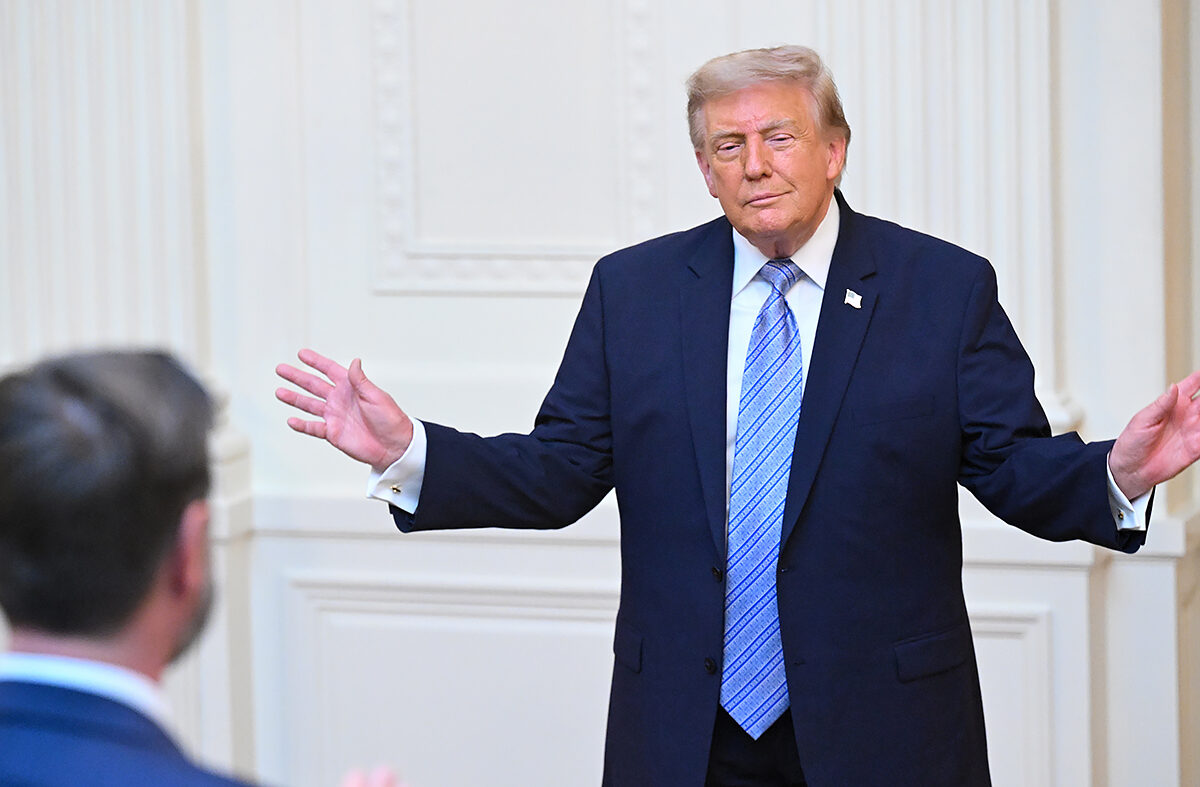
President Trump gestures after speaking in the East Room of the White House, Thursday, July 16, 2026, in Washington, D.C. Image Credit: Saul Loeb/Pool via AP
The Middle East is bracing for what could be its most dangerous escalation yet. President Donald Trump has revealed he is close to deciding whether to launch a “massive attack” on Iran, one he says would be bigger than any strike carried out so far in the months-long conflict. The announcement comes as oil prices surge past $100 a barrel, the United Nations warns of a region on the “edge of the unimaginable,” and fighting spreads from Iran and Gaza to the Red Sea, Lebanon, and the Gulf. Here’s a full breakdown of where the Trump-Iran war stands right now, and why the next 24 hours could matter more than ever.
Trump Weighs a “Bigger Than Ever” Strike on Iran
In an interview with Axios, Trump said he was considering restarting major combat operations against Iran, telling the outlet he was close to making a decision and that “we are all set for it.” He argued that Tehran had not yet “received enough pain,” and claimed Israel would join any renewed offensive within minutes if asked, though he insisted Washington did not need Israeli support to act. The remarks follow twelve consecutive nights of US strikes on Iranian targets, part of a campaign officials say is meant to degrade Tehran’s ability to threaten shipping and regional infrastructure.
UN Chief Warns Middle East Is “Getting Out of Control”
United Nations Secretary-General António Guterres delivered a stark warning to the Security Council, saying the region is being pushed toward catastrophe. He described a widening cycle in which one crisis feeds another and one escalation triggers the next, and cautioned that political goals are being overshadowed by the confrontation itself. Guterres pointed to the need to restore free navigation through the Strait of Hormuz and the Bab al-Mandeb strait, calling diplomacy the only viable path forward. His comments followed the UK’s decision to temporarily pull diplomatic staff from Iran and Germany’s move to withdraw naval vessels from the Red Sea.
Oil Prices Surge Past $100 a Barrel
Global energy markets are reeling. Brent crude jumped more than 6% to top $100 a barrel for the first time since May, driven largely by Houthi attacks on Saudi oil tankers in the Red Sea. The Iran-aligned group has declared a maritime blockade against Saudi Arabia, a move analysts warn could dramatically widen the US-Iran war and put additional strain on American naval forces already stretched across the region. With roughly seven percent of global oil exports passing through the Bab al-Mandeb strait, further disruption could push prices even higher.
READ ALSO
Mike Johnson pushes through controversial $95 Billion Iran War budget in major Trump victory
Houthi Attacks Draw Trump’s Warning to Iran
After Yemen’s Houthi rebels claimed responsibility for striking two Saudi Arabian oil tankers, Trump posted on Truth Social warning that any future Houthi attacks would be treated as an Iranian responsibility, promising severe military consequences for both. Reuters reported that Iran recently flew Islamic Revolutionary Guard Corps commanders, advisers, and missile-related equipment into Yemen, a sign Tehran may be reinforcing its Houthi allies as the broader war continues.
Congress Pushes Back, But War Powers Votes Remain Symbolic
Domestic opposition to the war is growing. The US House of Representatives passed a war powers resolution for the second time directing Trump to withdraw military forces from the Iran conflict, though by a narrower margin than in June. The Senate, however, voted down its own version of the resolution. Legal experts note that no president has ever treated war powers resolutions as binding since the law was enacted in 1973, meaning the votes are unlikely to force any policy change, even as polling shows support for the war eroding, including among Trump’s own base.
Saudi Nuclear Deal Tied to Abraham Accords
The White House confirmed that a newly announced US-Saudi civil nuclear cooperation deal is contingent on Riyadh joining the Abraham Accords, which would normalize diplomatic relations with Israel. Press Secretary Karoline Leavitt said the condition has long been a priority for Trump, while Israeli Prime Minister Benjamin Netanyahu called Saudi accession to the accords a potentially historic step for regional peace. Saudi Arabia has not yet publicly responded to the linkage.
Tensions Flare From Kuwait to Al-Aqsa
The conflict’s ripple effects are being felt across the region. Kuwait reported drone attacks on its Al-Abdali border crossing with Iraq, the third such incident in recent months, raising fears the crossing is becoming a new flashpoint. In Jerusalem, Israeli far-right minister Itamar Ben Gvir led hundreds of Israelis into the Al-Aqsa compound, prompting Palestinian officials to accuse him of trying to ignite a religious war. Meanwhile, US intelligence agencies are reportedly investigating whether Russia has helped Iran locate and strike CIA-linked sites in the Gulf.
What Happens Next
With Trump’s approval ratings falling and midterm elections approaching, pressure is mounting on the administration to either escalate decisively or find an exit ramp. For now, all signs point to further strikes rather than diplomacy, but as Guterres warned, the region may already be closer to the edge than anyone anticipated.
FAQ
Is Trump going to attack Iran again? Trump has said he is close to deciding on a new “massive attack” on Iran, describing it as potentially the largest strike of the conflict so far, though no final decision or timeline has been confirmed.
Why did oil prices hit $100 a barrel? Oil prices surged past $100 a barrel after Houthi rebels attacked Saudi Arabian oil tankers in the Red Sea and declared a maritime blockade against Saudi Arabia, raising fears of wider disruption to global shipping routes.
What did the UN say about the Middle East crisis? UN Secretary-General António Guterres warned that the Middle East is “getting out of control” and nearing the “edge of the unimaginable,” citing overlapping conflicts in Iran, Gaza, Lebanon, and the Red Sea.
Did Congress vote to end the Iran war? The US House passed a war powers resolution directing Trump to withdraw troops from the Iran conflict, but the Senate voted down its version. Such resolutions are considered largely symbolic and non-binding.
What is the US-Saudi nuclear deal condition? The White House says the US-Saudi civil nuclear cooperation agreement is contingent on Saudi Arabia joining the Abraham Accords and normalizing relations with Israel.
Are the Houthis attacking Saudi Arabia? Yes, Yemen’s Houthi movement has claimed attacks on Saudi oil tankers in the Red Sea and declared a naval blockade against Saudi Arabia in response to what it calls a blockade on Yemen.
Is Iran involved in attacks on Kuwait? Kuwait has reported repeated drone attacks on its Al-Abdali border crossing with Iraq; authorities have previously suspected Iran-backed groups, though responsibility for the latest attack has not been confirmed.
What is happening at Al-Aqsa Mosque? Israeli far-right minister Itamar Ben Gvir led a large group of Israelis into the Al-Aqsa compound in Jerusalem, drawing condemnation from Palestinian officials who accused him of provoking religious tensions.