

Will the naira fall again? Exchange rate improves as analysts warn fuel importers could reverse gains

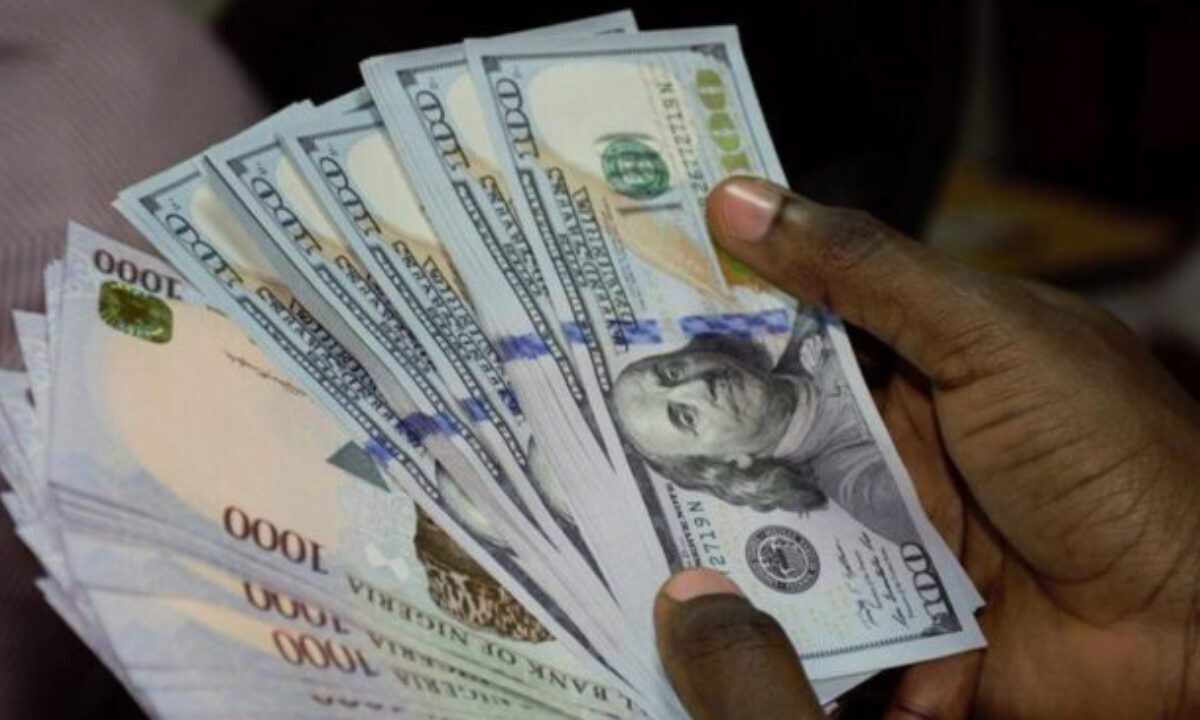
Naira Exchange Rate Today
Nigeria’s currency ended the week on a stronger note after recording gains against the US dollar in both the official and parallel foreign exchange markets. The positive performance comes even as market analysts caution that increased demand for foreign currency, particularly from fuel importers, could place the naira under renewed pressure in the coming days.
The contrasting outlook reflects the delicate balance currently shaping Nigeria’s foreign exchange market, where improving official exchange rates are competing against persistent demand for dollars from businesses and importers.
Naira Strengthens at Official and Black Market Exchange Rates
Fresh data released by the Central Bank of Nigeria (CBN) showed the naira appreciated to N1,362.09 per US dollar at the official foreign exchange window on Friday, improving from N1,367.76/$ recorded a day earlier.
The movement represents a daily appreciation of N5.67, extending the currency’s recent recovery.
The parallel market also reflected stronger performance. Bureau de Change operators quoted the dollar at approximately N1,410, compared to N1,420 the previous trading day, giving the naira a further N10 gain.
On a weekly basis, the Nigerian currency posted broader improvements:
- Official market: N18.19 appreciation
- Parallel market: N15 appreciation
The gains suggest improving market confidence following recent foreign exchange interventions and relatively stable dollar liquidity.
Foreign Reserves Remain Above $52 Billion
Another positive indicator supporting the naira is Nigeria’s external reserves.
According to official figures, the country’s foreign exchange reserves stood at $52.02 billion as of July 23, 2026.
Healthy reserves generally provide the Central Bank with greater capacity to support the foreign exchange market, improve liquidity, and reduce excessive volatility whenever necessary.
Investors often monitor reserve levels closely because they influence confidence in a country’s ability to meet external obligations and stabilize its currency.
Reuters Survey Warns Naira Could Face Fresh Depreciation
Despite the latest appreciation, financial market participants believe the naira’s recovery may face new challenges.
A Reuters survey of currency traders across Africa projects that the naira could weaken against the US dollar over the coming week, primarily because of growing demand for foreign currency from fuel importers.
According to traders, many importers are expected to front-load dollar purchases as they build inventories, increasing pressure on available foreign exchange supplies.
At the time of the Reuters survey, the naira traded around N1,368/$ on the official market compared to N1,383/$ a week earlier, while street market rates hovered near N1,420/$.
Currency dealers noted that stronger demand for dollars could outweigh available supply if import activity accelerates.
READ ALSO
No more dollar payouts? CBN orders IMTOs to switch to Naira settlement accounts
Fuel Importers Expected to Drive Higher Dollar Demand
Market participants identified fuel importers as one of the biggest sources of anticipated foreign exchange demand.
Businesses importing petroleum products typically require substantial amounts of US dollars to pay international suppliers. When several companies increase dollar purchases simultaneously, demand often rises faster than available supply, placing downward pressure on the local currency.
Analysts expect inventory-building activities ahead of future fuel shipments to remain one of the key factors influencing the naira’s direction over the short term.
Nigeria’s Currency Reflects Wider African FX Trends
Nigeria is not the only African economy facing exchange-rate pressures.
Reuters reported that several major African currencies are expected to weaken against the US dollar.
Ghana’s cedi is projected to remain under pressure because corporate demand for dollars continues to exceed available supply.
Uganda’s shilling could weaken further following higher global crude oil prices linked to geopolitical tensions in the Middle East.
Kenya’s shilling is expected to remain broadly stable, while Zambia’s kwacha may receive support from firm international copper prices.
These regional developments illustrate how global commodity prices, investor sentiment, and foreign exchange demand continue to shape currency performance across African markets.
What Could Determine the Naira’s Next Direction?
Several factors are likely to influence the naira over the coming weeks.
Dollar demand from fuel importers remains one of the biggest immediate risks. At the same time, the strength of Nigeria’s foreign reserves, Central Bank foreign exchange policies, oil export earnings, foreign portfolio investment inflows, and global oil prices will continue to play significant roles.
If foreign currency supply keeps pace with demand, the naira could maintain its recent gains. However, stronger import-related demand or external economic shocks could increase pressure on the exchange rate once again.
For businesses, investors, and households monitoring exchange rates, the coming weeks will provide a clearer indication of whether the naira’s latest appreciation represents the beginning of sustained stability or only a temporary recovery.
FAQ
What is the dollar to naira exchange rate today?
According to the Central Bank of Nigeria, the official exchange rate closed at N1,362.09 per US dollar, while the parallel market traded around N1,410 per dollar.
Why did the naira appreciate?
The naira strengthened due to improved performance in both the official and parallel markets, supported by relatively healthy foreign exchange liquidity and Nigeria’s strong external reserves.
Why are traders warning that the naira could weaken?
Market participants expect increased dollar demand from fuel importers purchasing foreign currency to finance fuel imports. Higher demand for dollars can place pressure on the naira.
What is Nigeria’s current foreign reserve level?
Nigeria’s foreign reserves stood at $52.02 billion as of July 23, 2026, according to official data.
What is the difference between the official and black market exchange rates?
The official exchange rate is determined through regulated foreign exchange markets supervised by the Central Bank of Nigeria, while the black (parallel) market reflects rates offered by informal currency traders and Bureau de Change operators.
Why do fuel importers affect the naira?
Fuel importers require large quantities of US dollars to pay international suppliers. Increased dollar purchases raise foreign exchange demand, which can weaken the naira if supply does not keep pace.
Will the naira appreciate further?
The naira’s performance will depend on foreign exchange supply, CBN interventions, oil export earnings, investor confidence, and demand for dollars from importers.
Why is the dollar so strong against the naira?
The dollar remains stronger because of higher global demand for the US currency, Nigeria’s import dependence, foreign exchange demand, and broader macroeconomic conditions affecting capital flows.
How does the Central Bank support the naira?
The CBN supports the naira through foreign exchange interventions, monetary policy adjustments, reserve management, and measures aimed at improving FX market liquidity.
What factors determine the naira exchange rate?
Key drivers include oil prices, foreign reserves, export earnings, import demand, inflation, investor confidence, foreign direct investment, remittances, and Central Bank policy decisions.
Why is the official exchange rate different from the black market rate?
The difference reflects varying levels of foreign currency availability, regulatory controls, market demand, and pricing mechanisms between the official and informal markets.
Should Nigerians expect exchange rate volatility?
Exchange rates may continue to fluctuate depending on global economic conditions, oil prices, geopolitical developments, and domestic demand for foreign currency. Short-term movements are common even during periods of overall market stability.