

Trump’s $1.8 Billion anti-weaponization fund faces GOP revolt: Why republicans want it shut down

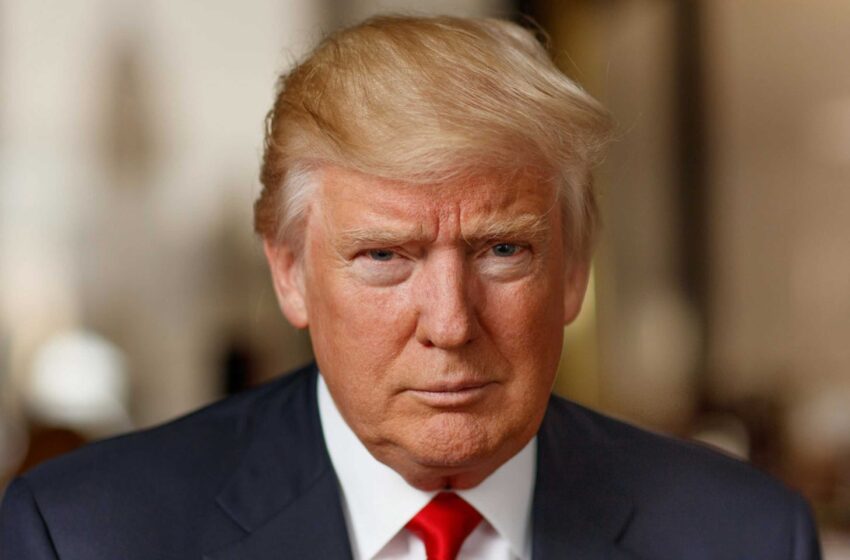
Donald Trump. Picture: David Hume Kennerly/Getty Images
A controversial $1.8 billion “Anti-Weaponization Fund” backed by the administration of Donald Trump has become a major source of division within the Republican Party, prompting calls from GOP lawmakers for the proposal to be scrapped entirely.
The dispute has escalated into one of the most significant intraparty clashes of 2026, threatening the future of a broader Republican immigration enforcement package and raising questions about how the fund could be used if allowed to proceed.
While the administration has recently signaled that it may back away from the proposal, many Republicans say the assurances provided so far are insufficient, leaving uncertainty over the fate of the fund and related legislation.
What Is the Anti-Weaponization Fund?
The proposed Anti-Weaponization Fund emerged from a settlement related to a lawsuit involving the unauthorized disclosure of Trump’s tax records.
According to administration officials, the fund was designed to compensate individuals who they believe were unfairly targeted through politically motivated government actions.
However, critics within both parties have questioned the structure of the fund, warning that it could potentially be used to compensate individuals prosecuted in politically charged cases, including participants in the January 6 Capitol attack and other Trump allies who faced federal investigations.
These concerns quickly transformed what was initially viewed as a legal settlement mechanism into a major political controversy.
Trump Administration Signals Retreat
In recent days, the administration has indicated that it may pause or abandon efforts to implement the fund.
The United States Department of Justice announced it would comply with a federal court order temporarily blocking implementation of the program.
Trump also acknowledged that court rulings currently prevent the fund from moving forward.
Despite these signals, administration officials have stopped short of announcing a permanent cancellation, creating confusion among lawmakers seeking clarity on the proposal’s future.
Some Republican senators said they were privately informed that the fund would be dropped, while others remain skeptical because no formal public commitment has been made.
Republican Senators Demand Clear Answers
Several influential Republican lawmakers have publicly demanded stronger assurances from the White House.
Among the most vocal critics is Chuck Grassley, who argued that the president must explicitly state that the fund will not move forward.
Other Republicans, including John Kennedy, Lisa Murkowski, and James Lankford, have also expressed concerns over the lack of detailed explanations from the administration.
Lawmakers say merely agreeing to follow a court order does not resolve the underlying policy concerns.
The growing unease demonstrates how unusual it is for Republican lawmakers to openly challenge a proposal associated with Trump, particularly during a highly consequential legislative period.
READ ALSO
Immigration Enforcement Bill Caught in the Crossfire
The controversy has stalled a broader Republican effort to pass a major immigration enforcement funding package.
Republicans view the legislation as essential for supporting agencies responsible for border security and immigration enforcement throughout the remainder of Trump’s presidency.
However, enough Republican senators have withheld support due to concerns surrounding the Anti-Weaponization Fund, effectively placing the legislation in jeopardy.
Party leaders are now attempting to separate the immigration package from the controversial fund in hopes of reviving momentum.
Still, uncertainty remains over whether enough lawmakers will be satisfied by the administration’s recent statements.
Democrats Intensify Opposition
Democrats have seized on the controversy as evidence of divisions within Republican ranks.
Chuck Schumer has vowed to introduce amendments that would permanently eliminate the fund and prevent future efforts to establish similar programs.
Democratic lawmakers argue the proposal resembles a political “slush fund” that could reward allies rather than serve a legitimate public purpose.
The criticism has added further pressure on Republican leaders trying to unify their caucus ahead of critical legislative votes.
Federal Court Rulings Complicate the Debate
The fund also faces significant legal challenges.
A federal judge has temporarily blocked implementation of the program pending further hearings, creating uncertainty about whether it could ever become operational.
Another court proceeding has raised additional questions about the circumstances surrounding the settlement that created the fund.
These legal developments have given opponents additional leverage while lawmakers debate the proposal’s future.
What Happens Next?
The coming weeks are expected to be decisive.
Republican leaders are seeking clarity from the administration before moving forward with key legislative priorities. Meanwhile, court hearings scheduled later this month could determine whether the fund remains frozen or moves closer to implementation.
For now, the Anti-Weaponization Fund has evolved from a relatively obscure legal settlement into a major political flashpoint, exposing divisions within the Republican Party and creating fresh challenges for Trump’s legislative agenda.
As lawmakers continue negotiations, the future of both the fund and broader immigration legislation remains uncertain.
FAQ
What is the Anti-Weaponization Fund?
The Anti-Weaponization Fund is a proposed $1.8 billion fund connected to a legal settlement involving former President Donald Trump. Supporters say it would help compensate individuals who were unfairly targeted through government actions.
Why is the Anti-Weaponization Fund controversial?
Critics argue the fund could potentially benefit individuals associated with politically sensitive prosecutions, including January 6 defendants and Trump allies, raising concerns about fairness and accountability.
Has the Trump administration canceled the fund?
Not officially. While administration officials have signaled a retreat and agreed to comply with court orders blocking the fund, no permanent cancellation has been publicly announced.
Why are Republicans opposing the fund?
Many Republicans fear the proposal could become politically damaging and undermine public confidence. Some lawmakers have demanded explicit confirmation that the fund will never be implemented.
Is the fund currently active?
No. A federal court has temporarily blocked the program while legal challenges proceed.
How does the fund affect immigration legislation?
The controversy has delayed a major Republican immigration enforcement package because several GOP senators have refused to support the legislation until questions about the fund are resolved.
What has Donald Trump said about the fund?
Trump has acknowledged that the administration must comply with court rulings but has not publicly declared that the fund is permanently terminated.
What role does the Department of Justice play?
The Department of Justice is responsible for administering aspects of the settlement and has stated that it will comply with court orders regarding the fund.
Could Congress permanently eliminate the fund?
Yes. Lawmakers could pass legislation specifically prohibiting the creation or funding of such a program, although political negotiations would determine whether such efforts succeed.
What happens next?
A key court hearing is expected later this month. Meanwhile, congressional Republicans continue discussions with the administration as they seek a resolution that would allow stalled legislation to move forward.