

Why was Facebook whistleblower Sarah Wynn-Williams forced to stay silent? The Meta memoir controversy explained

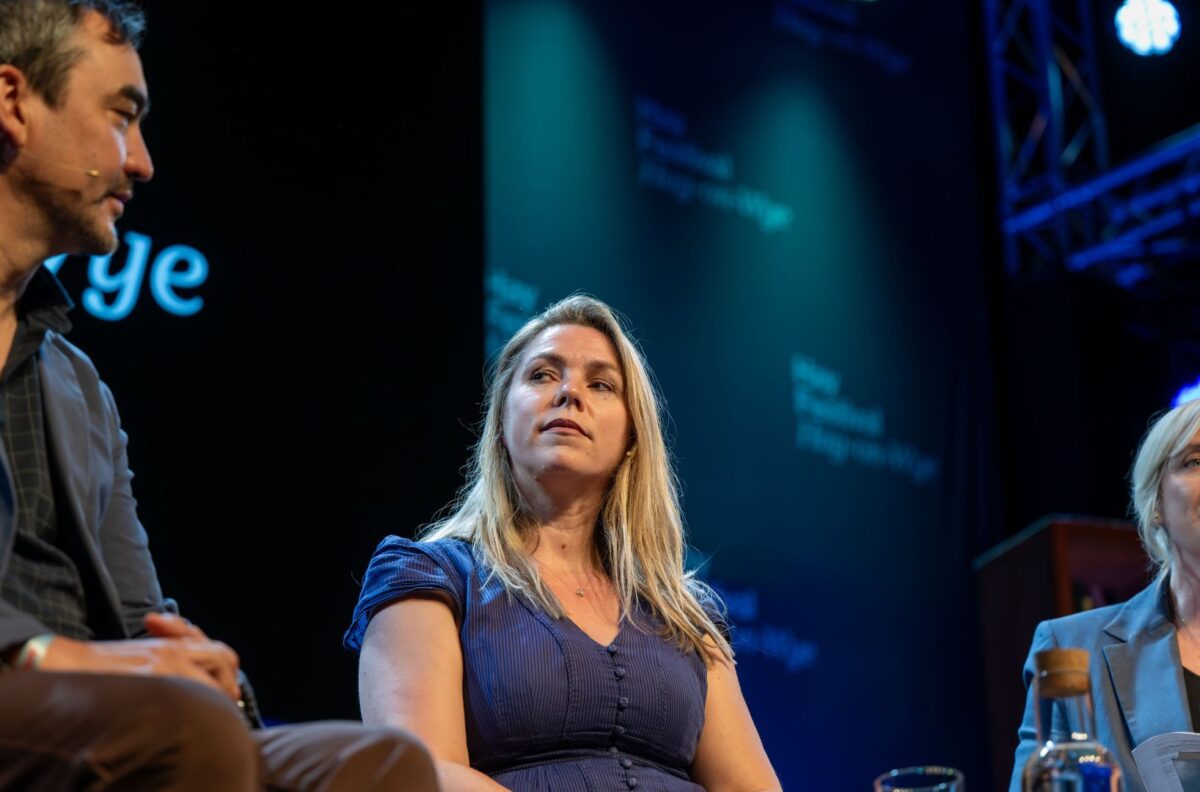
Tim Wu and Sarah Wynn-Williams on the Hay Festival panel with Carole Cadwalladr. Image Credit: Sam Hardwick and Hay Festival
A dramatic moment unfolded at a major literary festival in the United Kingdom when former Facebook executive and whistleblower Sarah Wynn-Williams appeared on stage but remained completely silent for an hour.
The unusual appearance has intensified global interest in her bestselling memoir, which contains allegations about workplace culture, leadership conduct, and decision-making inside Meta, the parent company of Facebook, Instagram, and WhatsApp.
The controversy has reignited debates over free speech, corporate accountability, whistleblower protections, and the influence of major technology companies.
Why Sarah Wynn-Williams Remained Silent on Stage
Wynn-Williams attended the prestigious Hay Festival alongside journalist Carole Cadwalladr and law professor Tim Wu. However, legal advice reportedly prevented her from speaking publicly.
According to reports, Meta obtained an emergency legal order that restricts Wynn-Williams from promoting her memoir, Careless People: A Cautionary Tale of Power, Greed, and Lost Idealism.
As a result, the former Facebook executive sat silently throughout the discussion, neither answering questions nor publicly commenting on the allegations contained in her book.
The unusual scene quickly attracted international media attention and sparked widespread discussion on social media.
What Is in the Explosive Memoir?
Wynn-Williams’ memoir provides a detailed account of her six years working in Facebook’s public policy division before leaving the company in 2017.
The book contains allegations involving senior leadership, corporate culture, and internal decision-making processes. It also raises concerns about the company’s handling of sensitive global issues and its interactions with governments around the world.
The memoir quickly became a bestseller and appeared on several notable reading and recommendation lists, generating significant public interest and renewed scrutiny of Meta’s past practises.
Meta’s Response to the Allegations
Meta has strongly rejected the claims made in the book.
Company representatives argue that Wynn-Williams signed binding agreements that restrict her ability to publicly promote the memoir. The company has stated that the legal action is based on contractual obligations rather than an attempt to suppress free speech.
Meta communications executives have also publicly described the book as containing false and defamatory claims.
The dispute has become one of the most high-profile legal battles involving a former technology executive and a major social media company in recent years.
READ ALSO
Tina Peters walks free after prison release, sparks fresh election debate with new claims
Legal Order Raises Questions About Free Speech
The legal restrictions imposed on Wynn-Williams have drawn criticism from free speech advocates and technology policy experts.
Tim Wu, who previously served in the administration of Joe Biden, publicly questioned whether powerful corporations should be able to use contractual agreements to limit criticism from former employees.
Critics argue that the situation raises broader concerns about whistleblower protections and the ability of former workers to discuss alleged misconduct.
Supporters of Meta, however, contend that contracts and non-disparagement agreements are legally enforceable and should be respected.
Standing Ovation Highlights Public Interest
Despite remaining silent throughout the event, Wynn-Williams reportedly received a standing ovation from audience members at the conclusion of the discussion.
The reaction reflected growing public fascination with the dispute and the broader questions it raises about transparency within major technology firms.
The incident also renewed attention on previous controversies involving Facebook and its parent company Meta, including debates over privacy, content moderation, misinformation, and corporate governance.
Why This Story Matters
The Sarah Wynn-Williams controversy arrives at a time when public trust in major technology platforms continues to face scrutiny.
As governments, regulators, and users demand greater accountability from tech giants, disputes involving former insiders often attract significant public attention.
Whether the legal battle ultimately favors Meta or Wynn-Williams, the case is likely to remain a major talking point in discussions about corporate power, whistleblower rights, and freedom of expression in the digital age.
FAQ
Who is Sarah Wynn-Williams?
Sarah Wynn-Williams is a former Facebook public policy executive who worked at the company for approximately six years before leaving in 2017. She later authored the memoir Careless People, which details her experiences inside the company.
Why is Sarah Wynn-Williams making headlines?
She attracted international attention after appearing silently at the Hay Festival due to legal restrictions related to the promotion of her memoir and her ongoing dispute with Meta.
What is the book Careless People about?
The memoir recounts Wynn-Williams’ experiences at Facebook and includes allegations concerning company culture, executive behavior, and internal decision-making.
Why did Meta take legal action?
Meta argues that Wynn-Williams signed agreements that prohibit certain public statements and promotional activities related to the company after her departure.
Was Sarah Wynn-Williams banned from speaking?
Reports indicate that legal advice led her to remain silent during a public appearance because of restrictions associated with Meta’s legal action.
What does Meta say about the allegations?
Meta has rejected the claims made in the memoir and maintains that the book contains inaccurate and defamatory statements.
Is Sarah Wynn-Williams facing financial penalties?
According to reports, violations of the legal order could potentially result in significant financial penalties for each breach.
Why is the controversy important?
The dispute raises broader questions about corporate transparency, whistleblower protections, free speech rights, and the influence of large technology companies.
Has the memoir been successful?
Yes. The book became a bestseller and generated substantial public and media interest following its release.
What impact could this case have on the tech industry?
The outcome may influence future discussions about employee agreements, whistleblower rights, corporate accountability, and how major technology companies respond to public criticism.