

Abyei market strike: why the death toll is still uncertain

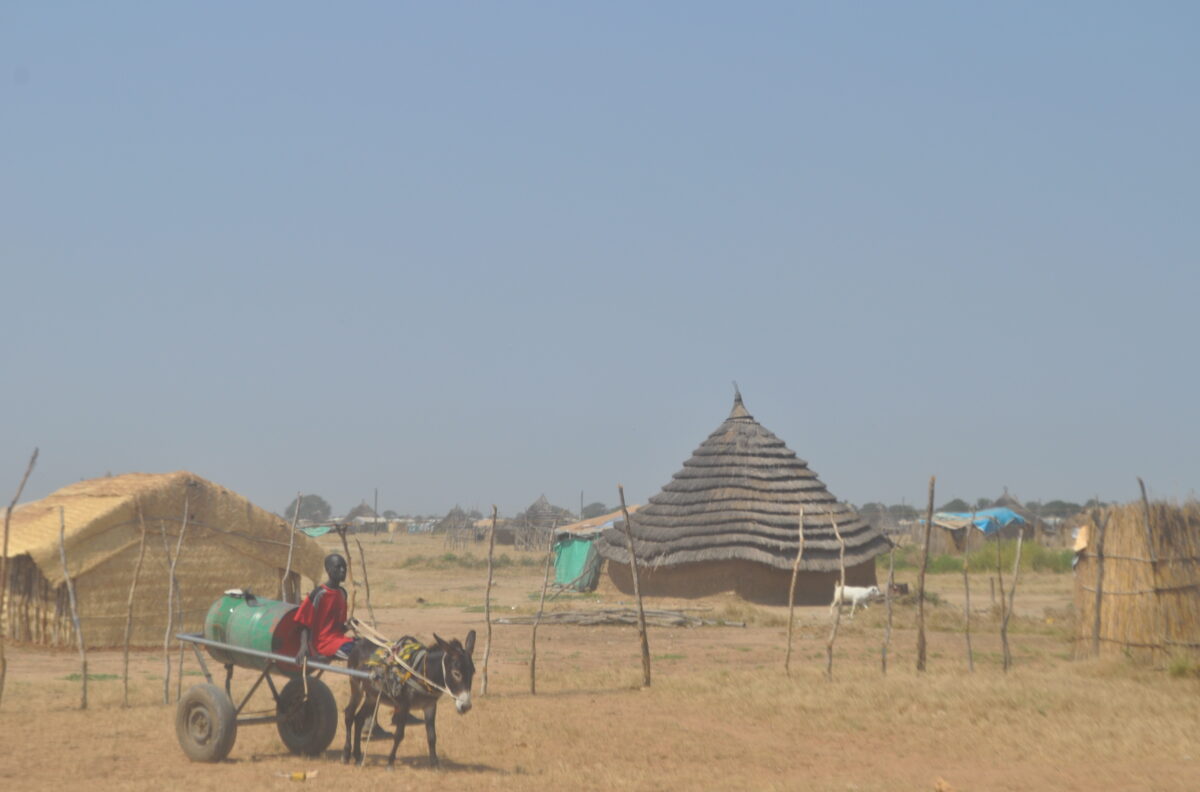
Archival view of Abyei Town, photographed in 2009; it does not depict the 19 October 2026 attack. Photo: Sudan Envoy via Wikimedia Commons, CC BY 2.0.
A drone strike around Amiet Market in Abyei has left two facts hard to reconcile: the United Nations’ first public count was 28 civilians killed, while local authorities later put the toll at 153. The UN has confirmed a deadly attack and many unaccounted for, but has not published a final verified total or identified who carried it out.
That distinction matters. The higher figure is a local estimate relayed by international media and the African Union, not a completed UN casualty count. Responsibility is also disputed, so claims about the intended target remain allegations.
Why are the reported death tolls different?
In a 20 October press briefing, a UN spokesperson said at least 28 civilians had been killed at Amiet Market and nearby Todach, with many injured and missing. The Secretary-General’s later statement described “dozens” killed and many more injured, without giving a final number. The UN Interim Security Force for Abyei (UNISFA) was still verifying casualties.
Abyei’s caretaker information minister subsequently told news organisations that the toll had reached 153. The African Union’s 22 October statement cited local reports of more than 150 deaths. Those later figures may reflect additional recoveries and people initially unaccounted for, but the public sources reviewed do not provide a reconciled, independently verified list of victims.
For now, the careful reading is that the attack killed at least dozens of civilians; 153 is the local authorities’ reported toll, not a final UN-confirmed figure. The numbers can change as searches and casualty checks continue.
Who launched the drones?
South Sudanese authorities blamed Sudan’s armed forces and said they had summoned Sudan’s ambassador. Sudan’s military has not publicly accepted responsibility in the reporting reviewed. An unnamed Sudanese military officer told the Associated Press that the strike targeted fuel tankers he said were supplying the Rapid Support Forces (RSF); the AP said it could not verify the target or the identities of those killed. The UN’s public statements condemn the attack but do not assign responsibility.
That leaves a central question unresolved: whether the strike was aimed at military logistics, and what the attackers knew about the market and people nearby. An allegation about a military target does not establish that everyone killed was a combatant or settle whether the attack complied with the laws of war.
Why Abyei’s status raises the stakes
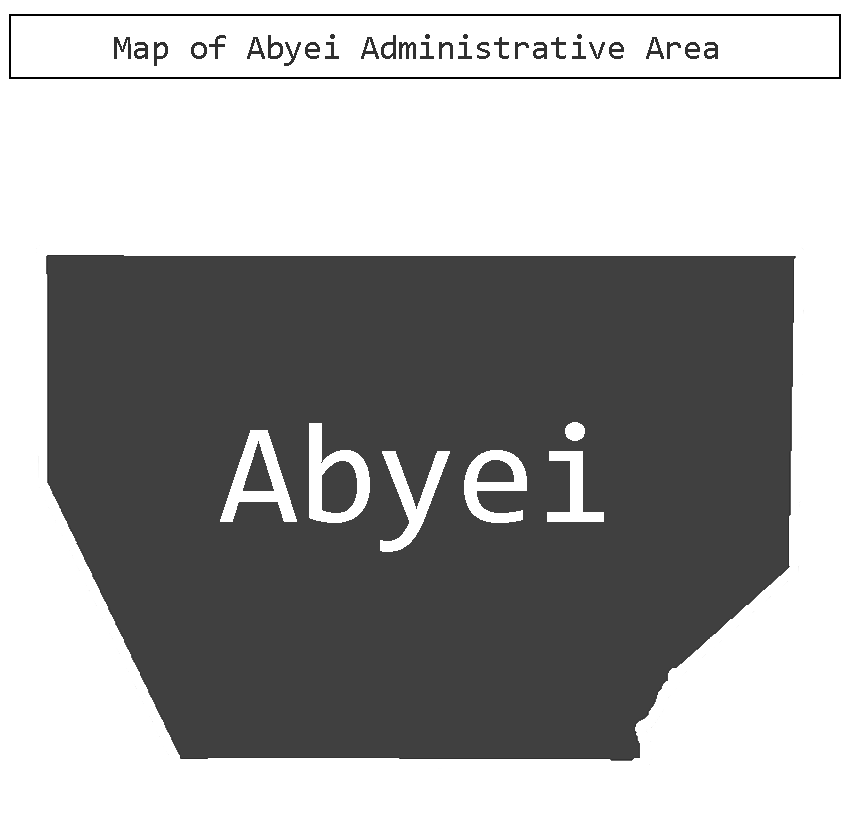
Abyei is a disputed, oil-rich area between Sudan and South Sudan. Its final status was left unsettled when South Sudan became independent in 2011, and the area is meant to remain demilitarised. Amiet Market is an important trading hub for communities on both sides of the border. The UN has urged both governments to uphold Abyei’s demilitarised status and prevent further attacks.
The market attack also sits within a wider pattern of drone strikes in Sudan’s war. The African Union has condemned several recent attacks affecting civilians, including in West Kordofan, South Darfur and Khartoum. That context helps explain why investigators and aid groups are concerned about civilian safety and access to food, health care and other essential services; it does not, by itself, establish who was responsible for this strike.
What should readers watch next?
The key updates are whether UNISFA publishes a reconciled casualty figure, whether Sudan and South Sudan cooperate on an inquiry, and whether civilians can safely return to the market and surrounding communities. Until those details are independently established, the reported toll and claims about responsibility should remain clearly attributed.
For background on the conflict that began in 2023 and its wider regional effects, see CrispNG’s explainer on Sudan’s crisis.
Sources
- United Nations daily press briefing, 20 October
- UN Secretary-General statement on the Abyei attack
- African Union statement, 22 October
- Associated Press reporting on the attack and competing accounts