

How Can Foreigners Start a Business in Sweden? 3 Immigration Routes Explained

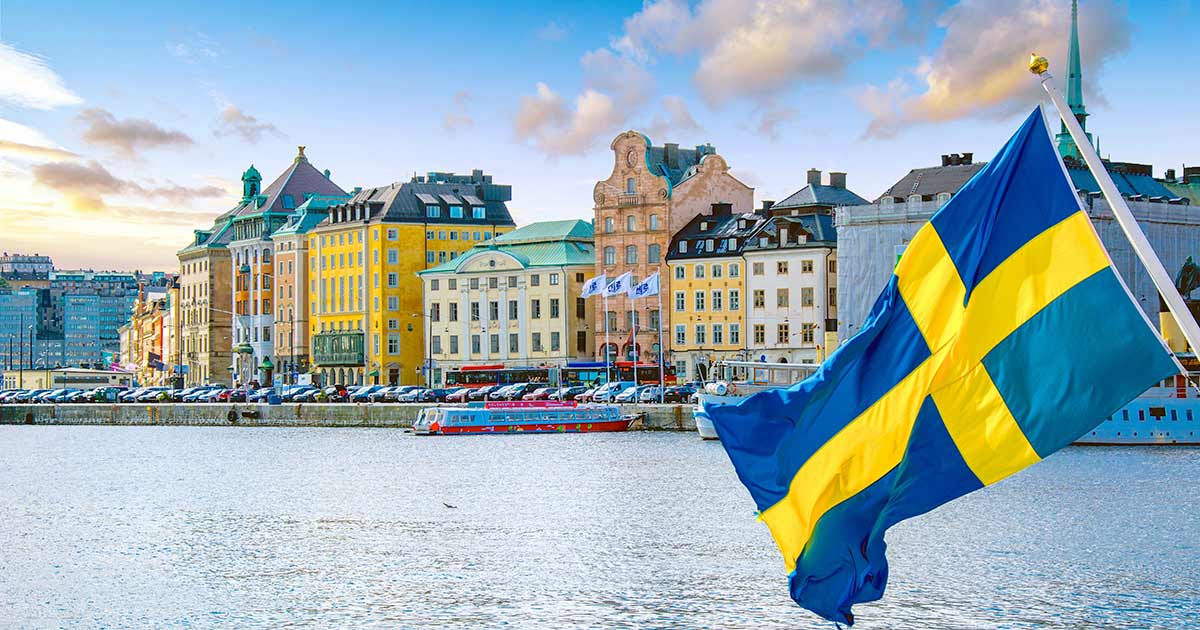
Sweden has different immigration pathways for foreigners seeking to work, study or start a business.
Sweden has clarified three separate immigration pathways for foreigners seeking to live in the country for work, study, self-employment or business activities, with the rules depending heavily on citizenship and existing EU residence status.
The Swedish Migration Agency has outlined different conditions for EU/EEA citizens, Swiss nationals and people with long-term resident status in another EU country.
The distinction is particularly important for people considering Sweden as a destination for entrepreneurship because not every foreign national needs to follow the same residence permit process.
For EU/EEA citizens who meet the conditions for a right of residence, Sweden does not require a residence permit simply to live in the country. Swiss citizens and qualifying long-term residents of another EU country face a different process if they intend to stay beyond three months.
Sweden’s 3 Routes for Foreigners Seeking to Relocate
The Swedish rules essentially divide prospective applicants into three groups.
1. EU and EEA Citizens Can Start Businesses Without a Residence Permit
EU/EEA citizens have the most straightforward route if they meet Sweden’s right of residence conditions.
The Swedish Migration Agency states that EU/EEA citizens can work, run their own business, study or live in Sweden using their own funds without applying for a residence permit.
For stays of more than three months, however, they must meet the requirements for right of residence. This can be established through employment, self-employment, studies or having sufficient funds to support themselves.
An EU/EEA citizen who intends to establish a business in Sweden can begin operating upon arrival if they have the required right of residence.
There are still administrative steps involved in running a business. The Migration Agency says someone starting a business must apply for an F-tax certificate through the Swedish Tax Agency and may also need to register the company with the Swedish Companies Registration Office.
2. Swiss Citizens Have a Three-Month Threshold
Swiss nationals can also move to Sweden to work, study, run a business or support themselves independently.
The major difference is what happens when the stay extends beyond three months.
According to the Swedish Migration Agency, Swiss citizens who intend to remain in Sweden for more than three months must apply for a residence permit specifically for Swiss citizens.
That means Swiss nationals considering a longer-term business move need to factor the residence permit requirement into their relocation plans.
3. Long-Term EU Residents Have Another Route
The third category covers people who are long-term residents in another EU country.
This route can apply to people who are not EU citizens but have the relevant long-term resident status in an EU member state.
Such individuals can move to Sweden to work, establish a business, study or live on their own funds. However, those planning to stay for more than three months need to apply for a Swedish residence permit for long-term residents.
The Swedish Migration Agency says applicants must have the appropriate EC/EU residence permit for long-term residents from the country where they previously lived.
Those running businesses in Sweden may also need to provide evidence such as F-tax registration, company registration, VAT information where applicable and documentation showing that the business is operating.
What the Sweden Rules Mean for Business Owners
The most important point for prospective entrepreneurs is that citizenship and existing immigration status determine which process applies.
An EU/EEA citizen who establishes a right of residence through their business does not need to obtain a conventional Swedish residence permit.
The situation is different for a Swiss citizen planning to stay beyond three months or a non-EU citizen who holds long-term resident status in another EU country.
Those groups have specific residence permit requirements for longer stays.
The distinction can make a significant difference when planning a move because establishing a business and obtaining permission to reside are related but separate issues.
READ ALSO
Japan Working Holiday Visa: 3 Benefits for Citizens of 8 Countries
UK asylum warning: What could hurt a foreigner’s application
Non-EU Entrepreneurs Face Separate Self-Employed Requirements
The three pathways should not be interpreted as a general exemption for all foreign entrepreneurs.
For citizens of countries outside the EU/EEA who do not fall under one of the special categories, Sweden generally requires a residence permit to run a business.
The Swedish Migration Agency lists several requirements for a self-employed residence permit.
Applicants must have relevant experience in their industry and in running a business, knowledge of Swedish or English, and must normally own at least 51% of the business while having crucial responsibility for its operations.
They must also demonstrate a credible business budget, established customer contacts or networks and sufficient personal funds.
The financial requirement is substantial. The Migration Agency currently states that an applicant must have at least SEK 200,000 in their own bank account to support themselves. Additional funds are required for accompanying family members — SEK 100,000 for a spouse and SEK 50,000 for each accompanying child.
Applicants must also demonstrate that they have enough money to operate or purchase the business.
Sweden Also Has a Route for Highly Qualified People Exploring Business Ideas
Another option exists for certain non-EU/EEA citizens who have completed advanced studies.
People with a qualification equivalent to a second-cycle degree can apply for a residence permit to come to Sweden to look for work or investigate the possibility of starting a business.
The Migration Agency says qualifying applicants need a valid passport, the relevant educational qualification, comprehensive health insurance and sufficient funds to support themselves during their stay.
The financial requirement for this route is currently at least SEK 13,000 for each month covered by the application, in addition to money needed for the return journey.
This route is separate from the residence permit specifically designed for people who have already established themselves as self-employed entrepreneurs.
What Applicants Should Check Before Moving
Anyone considering Sweden for entrepreneurship should establish which immigration category applies before making relocation plans.
The first question is whether the person is an EU/EEA citizen, Swiss citizen, a long-term resident of another EU country or a national of another country.
The next consideration is the intended length of stay.
For EU/EEA citizens, the issue is generally whether they meet the conditions for right of residence when staying beyond three months.
For Swiss citizens and qualifying long-term EU residents, the three-month point is particularly important because longer stays require the relevant Swedish residence permit.
Entrepreneurs should also prepare evidence relating to their business, finances, qualifications and previous experience where required.
Sweden’s Business Route Is Not One Single Visa
The latest guidance shows why describing Sweden’s policy as one general “business visa” can be misleading.
Instead, there are different immigration mechanisms depending on who the applicant is and what status they already hold.
EU/EEA citizens with the right of residence can establish themselves through the EU free-movement framework, while Swiss citizens and long-term residents of other EU countries have separate residence permit arrangements for stays beyond three months.
Other non-EU entrepreneurs generally need to satisfy the requirements for a self-employed residence permit.
For prospective business owners, understanding the correct category before applying may be just as important as the business idea itself.
Frequently Asked Questions About Moving to Sweden to Start a Business
Can foreigners start a business in Sweden?
Yes. Sweden allows eligible foreigners to establish and operate businesses, but the immigration requirements depend on citizenship and residence status. EU/EEA citizens with the right of residence have different rules from Swiss nationals, long-term EU residents and other non-EU citizens.
Can EU citizens start a business in Sweden without a residence permit?
Yes. EU/EEA citizens with a right of residence can run their own business in Sweden without applying for a residence permit. They must meet the conditions for right of residence when staying beyond three months.
Can Swiss citizens move to Sweden to start a business?
Yes. Swiss citizens can move to Sweden to run their own business, but those intending to stay for more than three months must apply for a residence permit for Swiss citizens.
Can a long-term resident of another EU country move to Sweden?
Yes. A person with qualifying long-term resident status in another EU country can move to Sweden for work, business, study or to live on their own funds. A residence permit is required if the person plans to stay for more than three months.
Can Nigerians move to Sweden to start a business?
Nigerian citizens are not EU/EEA citizens, so the simplified EU/EEA right-of-residence rules do not apply simply because they want to start a business. Depending on their circumstances, they may need a Swedish residence permit as a self-employed person or could potentially qualify under another applicable immigration route.
How much money is needed to start a business in Sweden as a foreigner?
For the standard self-employed residence permit, the Swedish Migration Agency currently requires applicants to demonstrate at least SEK 200,000 for their own financial support, plus additional amounts for accompanying family members. Applicants must also demonstrate sufficient funds for the business itself.
Can I move to Sweden to look for a business opportunity?
Certain highly qualified non-EU/EEA nationals can apply for a residence permit to look for work or explore the possibility of starting a business. The route has specific education, financial and insurance requirements.
How long can EU citizens stay in Sweden without a residence permit?
EU/EEA citizens can stay for up to three months without meeting special requirements, provided they have a valid passport or national identity card showing their citizenship. For a longer stay, they must meet the conditions for right of residence.
Do foreigners need to register a business in Sweden?
Business registration requirements depend on the type of business and the applicant’s circumstances. The Swedish Migration Agency notes that people starting their own business may need an F-tax certificate from the Swedish Tax Agency and may also need to register with the Swedish Companies Registration Office.