

Canada immigration pathways: 11 Provinces and Territories open routes for prospective immigrants

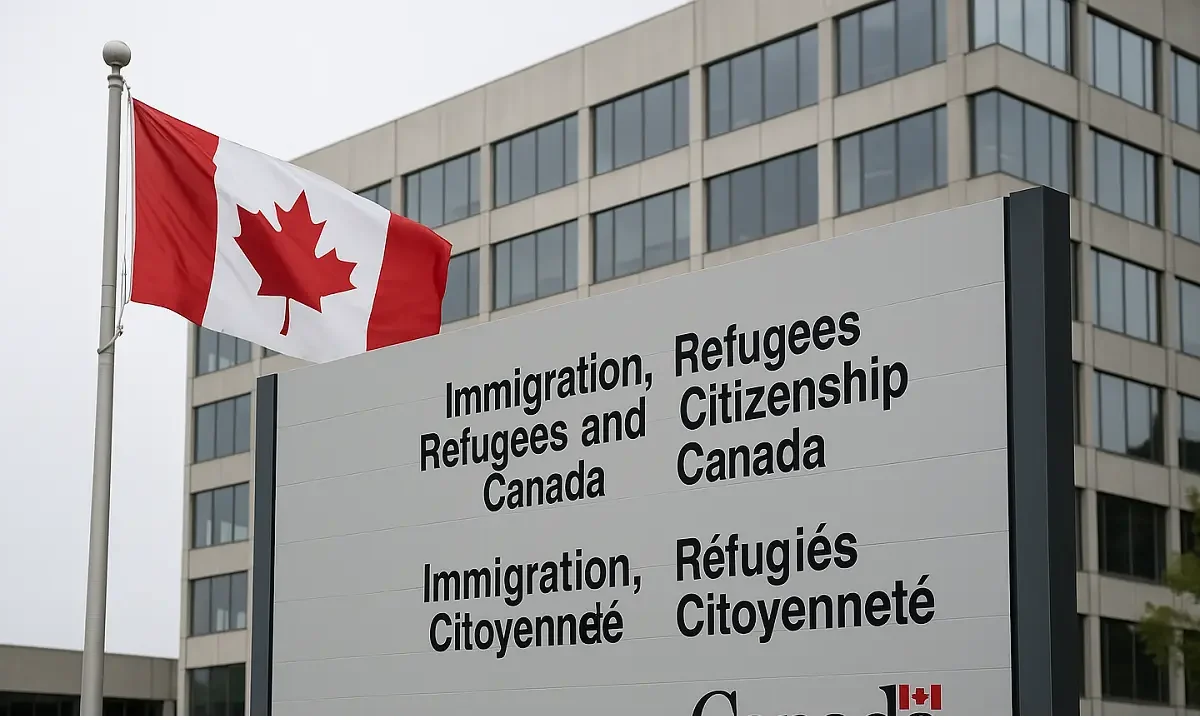
Canada immigration pathways
Canada’s Provincial Nominee Program (PNP) continues to provide a regional route to permanent residence, with 11 provinces and territories participating in the programme in 2026.
The programme allows participating provinces and territories to nominate eligible immigrants whose skills, education and work experience align with local economic and labour-market needs. However, the requirements are not the same across Canada, meaning prospective applicants need to examine the rules of the specific province or territory they intend to settle in.
The latest federal immigration information also comes as Canada continues to use regional immigration programmes to address workforce needs outside the country’s largest population centres.
Canada names 11 provinces and territories with immigration pathways
The provinces and territories participating in Canada’s Provincial Nominee Program are:
- Alberta
- British Columbia
- Manitoba
- New Brunswick
- Newfoundland and Labrador
- Northwest Territories
- Nova Scotia
- Ontario
- Prince Edward Island
- Saskatchewan
- Yukon
Each jurisdiction operates its own immigration streams and establishes eligibility requirements within the federal framework.
This means an applicant interested in moving to Canada cannot simply apply to the PNP as one nationwide programme. Instead, they need to identify a province or territory, examine its available streams and determine whether their profile matches its requirements.
How Canada’s Provincial Nominee Program works
The PNP is designed to give provinces and territories a role in selecting immigrants who can contribute to their regional economies.
Depending on the jurisdiction and stream, candidates may be selected based on factors such as work experience, education, occupation, language ability, job offers and connections to the province.
Canada operates PNP streams through two main routes: Express Entry and non-Express Entry.
For an Express Entry-linked nomination, applicants must first qualify for an eligible Express Entry programme as well as meet the requirements of the provincial stream. Canada’s federal guidance lists the Federal Skilled Worker Program, Federal Skilled Trades Program and Canadian Experience Class among the relevant Express Entry programmes.
For non-Express Entry nominations, an applicant first seeks nomination from the province or territory and, if nominated, subsequently applies to the federal government for permanent residence.
Why the province you choose matters
The biggest distinction between Canada’s PNP pathways is that each participating jurisdiction sets its own criteria.
A candidate who meets the requirements of one provincial stream may not qualify for another. Provinces and territories also determine how many nominations they can issue and which occupations or applicant groups they want to attract.
Canada’s immigration authorities say PNPs are intended to help address regional labour-market shortages and other local priorities.
For prospective immigrants, this makes researching the individual provincial programmes an important part of the application process.
READ ALSO
How Can Foreigners Start a Business in Sweden? 3 Immigration Routes Explained
Japan Working Holiday Visa: 3 Benefits for Citizens of 8 Countries
Quebec and Nunavut are outside the PNP
Two Canadian jurisdictions are notably absent from the Provincial Nominee Program: Quebec and Nunavut.
The federal government states that neither jurisdiction has a provincial nominee programme. People who intend to settle in Quebec or Nunavut must instead examine the immigration programmes available specifically for those destinations.
Quebec has its own immigration selection arrangements, while Nunavut does not operate a PNP.
This distinction is important for applicants who may see lists of Canadian provinces and assume that the same immigration process applies across the country.
What this means for Nigerians seeking Canada immigration
For Nigerians exploring the Canada immigration route, the PNP provides another option alongside federal programmes such as Express Entry.
The pathway can be particularly relevant to applicants whose professional background aligns with the labour needs identified by a particular province or territory.
However, nomination is not automatic. Applicants must satisfy the requirements of the relevant provincial stream before they can proceed with the federal permanent-residence process.
Canada also sets an overall immigration framework that affects the number of newcomers admitted through different programmes. The 2026–2028 Immigration Levels Plan includes the PNP as part of Canada’s economic immigration programmes, with a planned 91,500 PNP admissions in 2026.
The federal government has also said provinces and territories have an important role in addressing regional workforce shortages and supporting economic sectors across the country.
Applicants should check provincial requirements before applying
The announcement does not mean every applicant can apply to all 11 jurisdictions.
Instead, prospective immigrants should start by identifying where they want to live and work, then check the province or territory’s current immigration streams.
Applicants should also pay attention to whether a stream operates through Express Entry or through a separate application process.
Canada’s official guidance says applicants seeking a provincial nomination should follow the instructions provided by the relevant provincial or territorial government.
Requirements and available streams can change, so relying on old lists or social-media posts could result in an application being made under outdated criteria.
Canada immigration pathways continue to vary by region
The latest PNP information highlights a broader feature of Canada’s immigration system: there is no single pathway that works identically for every prospective immigrant.
The 11 participating jurisdictions have different economic circumstances and immigration priorities, while Quebec and Nunavut operate outside the PNP framework.
For applicants planning a move to Canada, the most relevant question is not simply whether the country is accepting immigrants, but which programme and jurisdiction match their qualifications, work experience and intended destination.
With provinces and territories playing an increasingly important role in regional immigration, understanding the specific requirements of each pathway could be just as important as meeting Canada’s broader federal immigration rules.
Frequently Asked Questions
How many provinces and territories offer Canada’s Provincial Nominee Program?
Eleven Canadian provinces and territories participate in the Provincial Nominee Program: Alberta, British Columbia, Manitoba, New Brunswick, Newfoundland and Labrador, Northwest Territories, Nova Scotia, Ontario, Prince Edward Island, Saskatchewan and Yukon.
Does Quebec have a Provincial Nominee Program?
No. Quebec does not participate in the PNP and has separate immigration programmes.
Does Nunavut have a PNP?
No. Nunavut does not currently have a Provincial Nominee Program. Applicants intending to settle there need to explore other available immigration routes.
Can Nigerians apply through Canada’s Provincial Nominee Program?
Yes. Nigerian citizens can apply to relevant PNP streams if they meet the eligibility requirements established by the province or territory and satisfy the applicable federal requirements.
Can PNP lead to permanent residence in Canada?
Yes. A provincial or territorial nomination can lead to an application for Canadian permanent residence, subject to the applicable federal process and eligibility requirements.
Is PNP the same as Express Entry?
No. Express Entry is a federal immigration selection system, while the PNP allows participating provinces and territories to nominate candidates according to their regional priorities. Some PNP streams are linked to Express Entry, while others operate outside it.
Can I apply to more than one Canadian province?
Eligibility depends on the specific provincial programmes and their requirements. Applicants should carefully review each programme’s rules and their intention to settle in the nominating jurisdiction before applying.
Which Canadian provinces offer PNP in 2026?
The participating provinces are Alberta, British Columbia, Manitoba, New Brunswick, Newfoundland and Labrador, Nova Scotia, Ontario, Prince Edward Island and Saskatchewan, alongside the Northwest Territories and Yukon.