

Scotland independence explained: What would actually have to happen for Scotland to leave the UK?

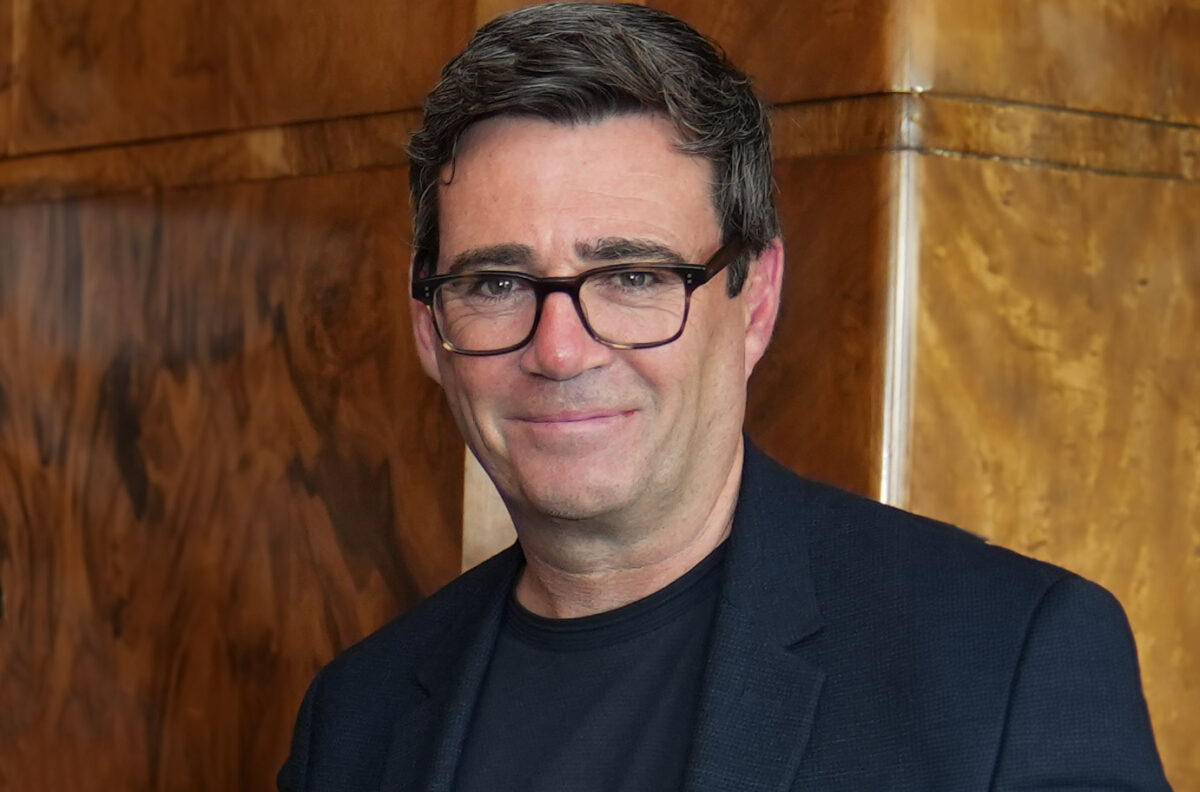
UK Prime Minister, Andy Burnham.
Scotland could be moving into a new phase of its independence debate after Prime Minister Andy Burnham suggested that another referendum could be considered if a clear consensus for one emerges.
The comments have reopened a question that has remained unresolved since Scotland rejected independence in 2014: what would actually have to happen for Scotland to leave the United Kingdom?
The answer is more complicated than simply holding another vote.
Scotland remains part of the UK, and the 2014 referendum produced a 55% to 45% victory for the union. Since then, successive UK governments have resisted demands for another independence referendum.
The legal position also changed after the UK Supreme Court ruled in 2022 that the Scottish Parliament cannot unilaterally legislate for an independence referendum without the authority of Westminster.
That means a future independence process would require political agreement as well as a democratic mandate.
Why Scotland Is Talking About Independence Again
The latest debate was triggered by comments from Burnham during Prime Minister’s Questions.
Responding to SNP MP Chris Law, Burnham compared Scotland’s situation with the provisions of the Good Friday Agreement relating to a possible border poll in Northern Ireland.
He said another Scottish referendum would be considered if there were a clear consensus in favour of holding one.
Burnham also said he was not aware of a current majority supporting another referendum and that, until that changed, there would not be one.
The comments created a political opening for First Minister John Swinney, who has repeatedly argued that Scotland should be allowed to decide its constitutional future.
Swinney described the remarks as significant, saying they represented an acceptance that majority support for a referendum should lead to one being held.
Downing Street, however, said there had been no change in the government’s position. Burnham’s spokesman also reiterated that Labour does not support Scottish independence or another referendum.
That distinction is important: there is currently no agreed timetable for a second independence referendum.
Scotland Already Held an Independence Referendum
The starting point for understanding the next steps is the referendum held in September 2014.
Voters were asked whether Scotland should become an independent country.
The result was:
- No: 55%
- Yes: 45%
The No campaign therefore won by roughly 10 percentage points.
The result settled the question politically at the time, but it did not permanently remove independence from Scottish politics.
The issue returned to prominence after Brexit, with the Scottish National Party arguing that Scotland’s constitutional circumstances had changed significantly since 2014.
The SNP has also pointed to changes in Scottish and UK politics as reasons for allowing voters to reconsider the question.
Why Scotland Cannot Simply Hold a Referendum
One of the most important developments came in 2022, when the UK Supreme Court considered whether the Scottish Parliament could organise an independence referendum without Westminster’s consent.
The court ruled that it could not.
The central issue was whether legislation for a referendum would relate to matters reserved to the UK Parliament, including the Union between Scotland and England.
The ruling means Holyrood cannot simply pass a bill and organise a legally recognised independence referendum on its own authority.
Westminster agreement is therefore a major part of the process.
This is why the question of whether a majority of Scots support another referendum has become politically important.
What Would Need to Happen Before Another Referendum?
A realistic route to another referendum would require several stages.
The first would be evidence of sustained public support for holding another vote.
The latest comments from Burnham suggest that a “clear consensus” would be the political test used by the UK government.
There is no single constitutional formula in the comments defining exactly what percentage of support would qualify or how long that support would have to last.
The second stage would be agreement between the UK and Scottish governments over the authority to hold the referendum.
That could involve Westminster transferring the necessary powers to Holyrood or agreeing to legislation that provides the legal basis for the vote.
The Scottish government has already attempted to put pressure on Westminster by publishing a draft independence referendum bill.
Swinney said the UK government should respect the voice of the Scottish people and Scottish Parliament and transfer the powers needed to conduct a referendum.
A Referendum Would Not Automatically Make Scotland Independent
Even if a second referendum were approved, a Yes vote would not mean Scotland becomes independent the following day.
A referendum would establish a democratic mandate for independence, but the practical process of separation would still have to be negotiated.
The UK and Scottish governments would need to address a wide range of issues, including public finances, government assets and liabilities, defence, pensions, taxation, borders and international relations.
The future currency and monetary arrangements would also become major questions.
There would also need to be decisions about Scotland’s relationship with institutions currently operating at UK level.
The negotiations could be complex because independence would involve separating systems that have been integrated for centuries.
READ ALSO
What Would Happen After a Yes Vote?
A Yes result would likely trigger negotiations between the Scottish and UK governments.
The exact timetable would depend on the terms agreed before or after the referendum.
The parties would need to negotiate the practical terms of independence and establish a transition process.
Parliamentary legislation would then be required to implement the agreed constitutional changes.
The process would also involve Scotland establishing or confirming institutions required to operate as an independent state.
That means the referendum is better understood as the democratic decision on whether independence should happen, rather than the legal mechanism that completes independence.
Could Scotland Become Independent Without Westminster Agreement?
Under the current legal position, Scotland cannot unilaterally create a legally binding independence referendum through an Act of the Scottish Parliament.
The 2022 Supreme Court judgment is central to that position.
A Scottish government could continue to campaign politically for independence and seek a mandate from voters, but turning that mandate into a lawful referendum and then implementing independence would require dealing with the UK constitutional framework.
That is why the relationship between Holyrood and Westminster remains at the heart of the dispute.
Why John Swinney Wants Another Vote
Swinney and the SNP argue that Scotland’s circumstances have changed substantially since 2014.
Brexit is one of the biggest changes frequently cited by independence supporters. Scotland voted by a majority to remain in the European Union in the 2016 Brexit referendum, while the UK as a whole voted to leave.
The SNP argues that Scotland should have the ability to choose its own constitutional future in light of those changes.
The Scottish government’s draft referendum legislation reflects that position.
Swinney has also argued that Scotland is ready for another vote and that the UK government should respond to the democratic wishes of Scottish voters.
The UK government’s position has historically been that the 2014 referendum settled the issue for a generation, although Burnham’s latest comments have introduced a new debate about whether sustained public support could change that approach.
What Does “Clear Consensus” Actually Mean?
This is one of the biggest unanswered questions.
Burnham referred to a “clear consensus” and said he was not aware of a majority currently supporting another referendum.
But there is no automatic constitutional rule stating that a particular polling percentage triggers a referendum.
A single opinion poll would not necessarily establish the kind of sustained public mandate being discussed.
Political parties, election results and repeated polling could all become relevant to arguments about whether public opinion had genuinely shifted.
That leaves considerable room for political disagreement over when the threshold has been reached.
Could Another Scottish Independence Referendum Happen?
It is possible, but the latest comments do not mean a referendum has been agreed.
For another vote to become realistic, Scotland would first need to demonstrate sufficient public demand. The UK government would then have to accept that the political circumstances justified a referendum and agree to the necessary legal arrangements.
If a referendum were held and produced a Yes result, negotiations over independence would follow.
The latest development therefore changes the political conversation more than it changes Scotland’s constitutional status.
For now, Scotland remains part of the United Kingdom, and the legal framework established by the Supreme Court remains in place.
The crucial question is no longer simply whether Scotland supports independence. It is also whether there is enough sustained support for another referendum to persuade Westminster to allow the question to be put to voters again.
Frequently Asked Questions About Scottish Independence
Is Scotland becoming independent?
No. Scotland remains part of the United Kingdom. There is currently no agreed independence referendum or independence date.
When was Scotland’s last independence referendum?
Scotland’s last independence referendum was held in 2014. Voters rejected independence by 55% to 45%.
Can Scotland hold an independence referendum without Westminster?
Under the UK’s current constitutional framework, the Scottish Parliament cannot unilaterally legislate for a lawful independence referendum. The UK Supreme Court ruled on this issue in 2022.
When could Scotland have another independence referendum?
There is currently no confirmed date. Prime Minister Andy Burnham has suggested a referendum could be considered if there is a clear public consensus supporting one.
What percentage of Scots support independence?
Support varies between opinion polls and over time. There is no permanent percentage that automatically triggers a referendum.
Does a Yes vote automatically make Scotland independent?
No. A Yes vote would provide a democratic mandate for independence, but negotiations and legislation would still be needed to establish the terms and implement separation from the UK.
What would Scotland need to negotiate if it voted Yes?
Issues could include public debt and assets, pensions, defence, currency, taxation, borders, government institutions and Scotland’s international relationships.
Why does Scotland want another independence referendum?
Independence supporters argue that circumstances have changed since 2014, particularly following Brexit. Scotland voted to remain in the EU in 2016, while the UK voted to leave.
Who is John Swinney?
John Swinney is Scotland’s First Minister and a senior figure in the Scottish National Party. He has repeatedly supported holding another independence referendum.
Did Scotland vote for independence in 2014?
No. The No campaign won 55% of the vote, compared with 45% for Yes.
What is the Scottish independence draft bill?
It is legislation published by the Scottish government setting out a proposed legal framework for holding another independence referendum. The Scottish government wants Westminster to transfer the necessary powers for the vote.
Could Scotland leave the UK without a referendum?
A referendum is not necessarily the only theoretical route that could be discussed in constitutional politics, but under the current political and legal framework, the Scottish independence movement is seeking a democratic mandate through a referendum followed by negotiations with the UK government.