

Germany Family Reunification Visa for Children: 2 Key Requirements Parents Need to Know

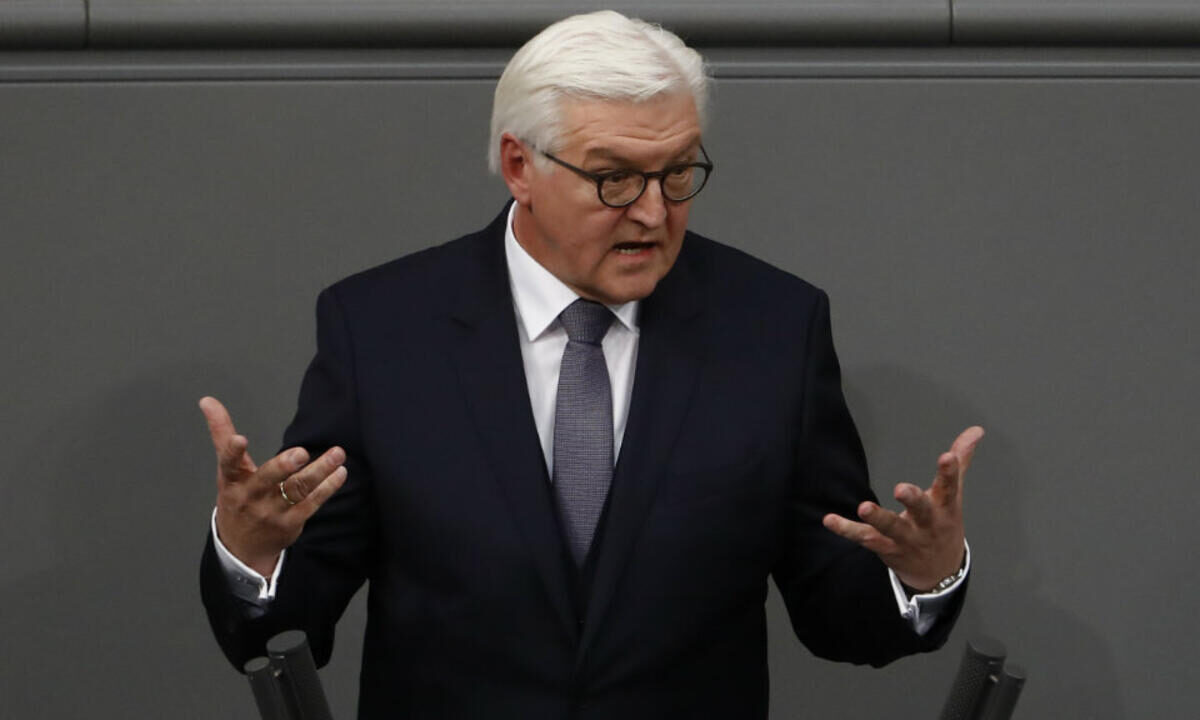
President of Germany, Frank-Walter Steinmeier
Germany has clarified the conditions children must meet to join a parent or guardian in the country through the family reunification visa route, giving families more detail on what is required before an application can be submitted.
The rules are particularly relevant to parents living in Germany who want to bring their children from abroad. The German government has also outlined additional conditions for cases involving single parents and children who are approaching adulthood.
Applications for family reunification visas can be submitted through Germany’s Consular Services Portal or at a German embassy responsible for the applicant’s location.
What are the requirements for Germany’s family reunification visa for children?
According to the German government’s Make it in Germany portal, children applying under the family reunification route must satisfy two basic conditions.
1. The child must be unmarried
A child applying for family reunification must be unmarried.
This means the applicant cannot be married, divorced or widowed when applying under the child family reunification category.
The requirement is important because the visa route is designed to allow eligible children to join their parents in Germany rather than provide a general residence pathway for adults with their own family circumstances.
Parents preparing an application should make sure the child’s marital status meets the requirements before submitting the application.
2. The child must be under 18
The second major requirement concerns age.
The child must be under 18 years old at the time of the visa application to qualify under the family reunification route specifically intended for children.
This makes the timing of an application particularly important for families whose children are approaching adulthood.
Parents should not assume that a child who is already 18 can still apply under the same category simply because the parent is legally resident in Germany.
What happens if only one parent has custody?
Germany has an additional requirement when a child is being brought to the country by only one parent.
Where only one parent has custody rights, written consent from the other parent who is also entitled to custody may be required before the visa application can proceed.
This requirement is intended to establish that the child’s relocation to Germany has the necessary parental consent where custody is shared.
Families in this situation should prepare the relevant custody and consent documents before submitting an application. The exact documentation required can depend on the circumstances of the family and the responsible German mission.
READ ALSO
Germany Citizenship: 6 categories who can apply without paying the Naturalisation fee
UAE Golden Visa: 7 Exceptional Talent Categories That Can Qualify for 10-Year Residency
Are there special rules for children aged 16 and above?
Yes.
Children who are 16 or 17 years old are subject to additional conditions under Germany’s family reunification rules.
The German government advises families with children in this age group to contact the relevant German embassy or consulate for information about the specific requirements that apply to their case.
This is an important distinction because being under 18 does not necessarily mean that every child will face exactly the same application requirements.
Families should therefore establish the applicable rules before booking an appointment or submitting documents.
What happens when the child turns 18?
Turning 18 can significantly change the immigration route available to a child.
Once a person reaches the age of 18, they are generally no longer eligible to apply under the family reunification category specifically designed for children.
Instead, they may need to qualify for an independent residence title based on another purpose, depending on their circumstances.
Possible residence routes can depend on factors such as education, employment, vocational training or other qualifying grounds under German immigration law.
This makes the child’s age at the time of application an important factor for families planning relocation.
How can families apply for Germany family reunification visas?
Families can begin the visa process through Germany’s Consular Services Portal or by applying through the appropriate German embassy abroad.
Applicants should identify the German mission responsible for their place of residence and check the latest document requirements before submitting an application.
Documents may vary depending on the family’s circumstances, including whether one or both parents have custody and the age of the child.
Families with older children or complicated custody arrangements may need to obtain additional information directly from the relevant German diplomatic mission.
Germany family reunification visa FAQs
Can a child apply for family reunification in Germany?
Yes. Eligible children can apply to join a parent or guardian in Germany, provided they meet the applicable family reunification requirements.
Must the child be unmarried?
Yes. The child must be unmarried to qualify under the child family reunification route.
Can a 17-year-old apply for a German family reunification visa?
A 17-year-old may fall within the under-18 age requirement, but children aged 16 and above are subject to additional conditions. Families should check the requirements with the responsible German embassy.
Can a child who is already 18 apply under the child reunification route?
Generally, no. Once the child has turned 18, they are generally required to qualify for an independent residence title rather than use the family reunification route for children.
Does a single parent need the other parent’s permission?
Where only one parent has custody rights, written consent from the other parent entitled to custody may be required.
Where can families apply for the German visa?
Applications can be made through Germany’s Consular Services Portal or directly through the German embassy responsible for the applicant’s location.