

Rabies warning after 11-year-old boy dies following Bat encounter: Doctors urge immediate medical treatment even without a bite

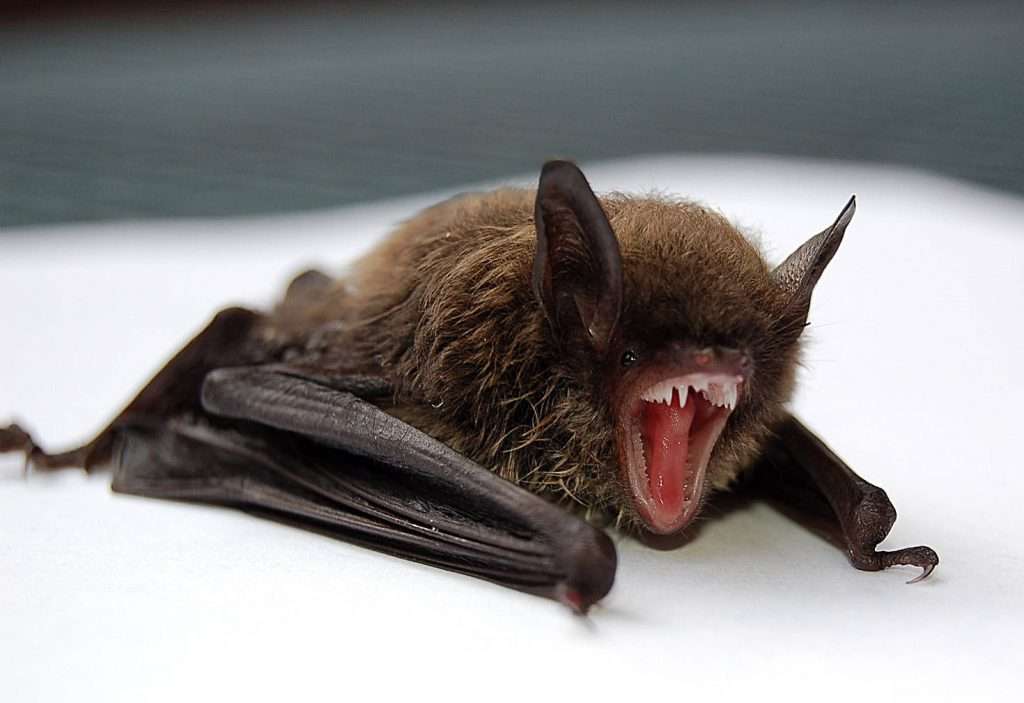
Doctors warn bat exposure can be fatal without prompt rabies treatment
Health authorities are urging the public to treat any direct contact with a bat as a medical emergency after an 11-year-old Canadian boy died from rabies months after waking to find a bat resting on his face.
The tragic case, documented in the Canadian Medical Association Journal (CMAJ), has renewed awareness about the dangers of rabies exposure, particularly because bat bites and scratches can be so small that they go unnoticed. Medical experts say that once rabies symptoms appear, the disease is almost always fatal, but prompt treatment after exposure can prevent infection.
The case has become a stark reminder that even seemingly harmless encounters with bats require immediate medical evaluation.
Canadian boy developed fatal rabies after waking with a bat on his face
According to the published medical report, the incident occurred while the family was staying at a cottage in Ontario in 2024.
The child awoke to find a bat lying across his nose and mouth. He instinctively swatted it away, while his father caught the animal in a container before releasing it outside.
Because the boy showed no visible bite or scratch marks, and the bat did not appear aggressive or behave unusually, the family did not seek immediate medical care.
However, 19 days later, the child began experiencing facial numbness and swelling. Over the following days, his condition worsened despite multiple visits to healthcare facilities.
Initially, doctors suspected other illnesses, including Bell’s palsy and herpes-related infections, before his symptoms rapidly escalated.
Symptoms worsened rapidly before rabies diagnosis
As his illness progressed, the boy developed:
- Facial weakness
- Fever
- Difficulty swallowing
- Confusion
- Visual hallucinations
His deteriorating condition required admission to a pediatric intensive care unit, where infectious disease specialists suspected rabies.
Laboratory testing later confirmed the diagnosis, with the Canadian Food Inspection Agency identifying a bat rabies virus variant.
Despite intensive supportive care, the child died 17 days after hospital admission.
Medical experts noted that there is currently no effective cure for rabies once symptoms begin.
Why bats are one of the biggest rabies risks
Health experts say bats are now among the leading sources of human rabies infections in North America.
Unlike bites from larger animals, bat bites and scratches may leave little or no visible mark, making exposure difficult to recognize.
Because of this risk, infectious disease specialists stress that any direct contact with a bat—including waking up with a bat in a room or finding one on your body—should immediately prompt medical assessment.
Doctors involved in the CMAJ report emphasised that visible wounds are not required before preventive treatment is recommended.
READ ALSO
Rabies can be prevented, but only before symptoms appear
Although rabies is one of the world’s deadliest viral diseases, it is also one of the most preventable when treated quickly.
Following possible exposure, healthcare providers can administer post-exposure prophylaxis (PEP), which includes:
- Human rabies immune globulin
- A series of rabies vaccinations
This treatment is highly effective if started before symptoms develop.
Once neurological symptoms begin, however, rabies is almost always fatal.
Experts therefore urge anyone who has had direct contact with a bat to contact healthcare providers or public health authorities immediately.
Rabies remains rare in Canada
Human rabies cases remain uncommon across Canada.
According to health authorities, only 28 human rabies deaths have been recorded since 1924, largely because of widespread animal vaccination programs and rapid administration of preventive treatment after suspected exposure.
Nevertheless, experts warn that rare cases such as this demonstrate the importance of public awareness.
They also encourage healthcare professionals to ask patients with unexplained neurological symptoms about possible exposure to bats or other potentially rabid wildlife.
Public health officials urge immediate action after bat exposure
The physicians who documented the case said the family agreed to share their son’s story to help prevent similar tragedies.
They stressed that people should never assume they are safe simply because no bite marks are visible.
With summer bringing increased human interaction with wildlife, experts recommend treating every direct bat encounter seriously and seeking medical advice immediately.
The case serves as a powerful reminder that prompt rabies prevention can save lives, while delays in treatment can have devastating consequences.
FAQ
What happened to the Canadian boy who died from rabies?
An 11-year-old boy in Ontario died after contracting rabies following direct contact with a bat while sleeping at a family cottage. He woke with the bat on his nose and mouth, but because no visible bite marks were found, medical treatment was not sought immediately.
Can you get rabies without being bitten by a bat?
Yes. Bat bites and scratches can be extremely small and may not leave visible marks. Public health experts recommend medical evaluation after any direct contact with a bat.
What are the first symptoms of rabies in humans?
Early rabies symptoms can include facial numbness, tingling, fever, headache, weakness, vomiting, difficulty swallowing, anxiety, and confusion. As the disease progresses, neurological symptoms become severe.
Is rabies always fatal?
Once symptoms develop, rabies is almost always fatal. However, prompt treatment after exposure can prevent the disease.
What should you do if a bat touches you?
Wash the affected area with soap and water if possible, seek emergency medical care immediately, and contact local public health authorities. Doctors will determine whether post-exposure prophylaxis (PEP) is needed.
What is post-exposure prophylaxis (PEP)?
PEP is preventive treatment given after possible rabies exposure. It includes human rabies immune globulin and a series of rabies vaccinations that are highly effective when administered before symptoms begin.
How long does rabies take to develop?
The incubation period varies from several weeks to several months, depending on factors such as the location of exposure and the amount of virus transmitted.
Are bats the main source of rabies in North America?
Yes. While raccoons, foxes, and skunks also carry rabies, bats are the most common source of human rabies infections in North America.
How common is rabies in Canada?
Rabies in humans is very rare. Canada has recorded only 28 human rabies deaths since 1924, largely because of successful vaccination programs and rapid preventive treatment after exposure.
Can rabies be cured after symptoms appear?
There is currently no proven cure once rabies symptoms begin. Prevention through immediate post-exposure treatment remains the most effective way to avoid the disease.
Should you seek treatment even if the bat didn’t bite you?
Yes. Public health experts advise seeking immediate medical assessment after any direct contact with a bat, even if no bite or scratch is visible, because minor injuries may go unnoticed.
Why is this case important?
The case highlights that rabies can develop even without obvious bite marks and reinforces public health guidance that every direct bat encounter should be treated as a potential rabies exposure until assessed by medical professionals.