

UK-US trade deal sparks NHS crisis fears as analysis warns medicine costs could trigger 229,000 excess deaths by 2036

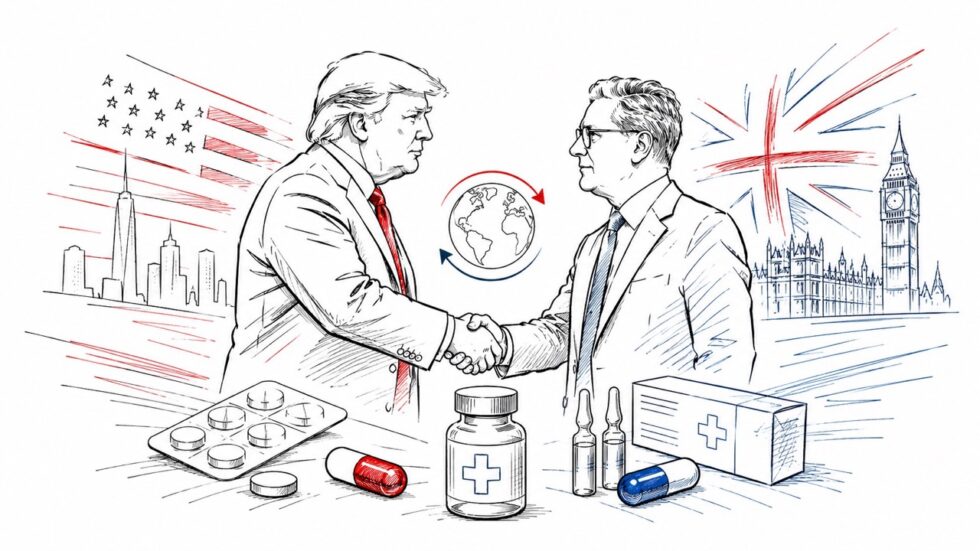
Analysis raises concerns over NHS costs under UK-US medicine trade deal. Image Credit: TheWPTimes
A fresh analysis has reignited debate over the UK-US medicine trade deal, with researchers warning the deal could significantly increase NHS spending on medicines and place additional pressure on frontline healthcare services over the next decade.
Published in the British Medical Journal (BMJ), the analysis estimates that the agreement could cost the National Health Service an additional £44.7 billion by 2036, prompting concerns from medical experts, campaigners and opposition politicians about the long-term impact on patient care.
While the UK government insists the agreement will improve access to innovative medicines and strengthen Britain’s pharmaceutical industry, critics argue the projected increase in spending could divert funding away from essential NHS services.
BMJ Analysis Projects Major Increase in NHS Medicine Spending
According to the BMJ analysis, the UK-US agreement requires England to increase spending on innovative medicines from 0.3% of GDP to at least 0.6% by 2036.
Researchers estimate this will lead to:
- £1.3 billion in additional annual NHS costs by 2028
- Around £8.8 billion in extra annual spending by 2036
- A cumulative additional cost of £44.7 billion over the next decade.
The report argues that unless additional government funding fully covers these costs, NHS resources may have to be redirected from other healthcare services to finance higher pharmaceutical spending.
Researchers Warn of Potential Impact on Public Health
One of the report’s most widely discussed findings is its projection that reallocating NHS resources could contribute to approximately 229,000 excess deaths by 2036.
The analysis suggests that reduced investment in frontline services, prevention programmes and routine healthcare could disproportionately affect patients with:
- Cardiovascular disease
- Cancer
- Respiratory illnesses
- Gastrointestinal conditions
Researchers further argue that investing a similar amount into existing healthcare services instead could potentially prevent hundreds of thousands of deaths during the same period.
The projections represent a modelling exercise based on assumptions about future NHS funding and healthcare outcomes rather than confirmed future events.
Government Rejects £45 Billion Cost Estimate
The Department of Health and Social Care (DHSC) has rejected the £44.7 billion estimate, saying it does not recognise the figures presented in the BMJ analysis.
Government officials maintain that the agreement will deliver significant benefits by improving patient access to innovative treatments that previously failed to meet NHS funding thresholds.
The department also says the agreement makes the UK the first country to secure a commitment for zero tariffs on pharmaceutical exports to the United States for at least three years.
Officials added that funding for the agreement has been considered through government spending reviews and that future allocations will continue to support NHS services.
READ ALSO
Why the UK Signed the Pharmaceutical Agreement
The pharmaceuticals agreement formed part of broader UK-US trade negotiations concluded in late 2025.
Supporters say the arrangement helps:
- Protect British pharmaceutical exports from potential US tariffs.
- Encourage investment in medical research and drug development.
- Accelerate access to innovative medicines for NHS patients.
- Strengthen Britain’s position as a global pharmaceutical research hub.
Several pharmaceutical industry leaders welcomed the agreement, arguing it provides greater certainty for manufacturers and investors while supporting medical innovation.
Critics Call for Greater Transparency
Medical organisations, healthcare economists and campaign groups have called on the government to publish its full impact assessment of the agreement.
Some critics argue Parliament should have received greater scrutiny of the policy before implementation, given its potential implications for NHS spending over the next decade.
Health policy experts have also questioned whether increasing expenditure on branded medicines represents the most effective use of limited NHS resources amid ongoing pressures on hospitals, primary care and community health services.
Campaign groups contend that additional investment should instead prioritise staffing, hospital capacity and reducing treatment waiting times.
Debate Highlights Balancing Innovation and NHS Sustainability
The debate reflects the broader challenge facing healthcare systems worldwide, balancing access to cutting-edge medicines with maintaining sustainable public healthcare funding.
Supporters believe greater investment in innovative therapies could improve outcomes for patients suffering from complex illnesses.
Opponents argue that any substantial increase in pharmaceutical expenditure must be accompanied by adequate government funding to prevent unintended consequences for other NHS services.
As discussions continue, the UK government maintains that the agreement strengthens both patient access to advanced medicines and Britain’s life sciences sector, while critics continue to seek greater transparency regarding its long-term financial impact.
FAQ
What is the UK-US medicine trade deal?
The UK-US medicine trade deal is an agreement reached in late 2025 aimed at strengthening trade between both countries while improving patient access to innovative medicines. It also includes commitments affecting NHS spending on new branded medicines.
Why is the UK-US medicine trade deal controversial?
Critics argue the agreement could significantly increase NHS spending on medicines, potentially reducing funding available for other healthcare services. Supporters say it will improve patient access to advanced treatments and protect UK pharmaceutical exports.
How much could the NHS spend because of the agreement?
A British Medical Journal analysis estimates the NHS could spend an additional £44.7 billion by 2036. However, the UK government disputes this estimate and says it does not recognise the figure.
Why are experts talking about 229,000 excess deaths?
Researchers modelled that if NHS funding is redirected from existing healthcare services to pay for higher medicine costs, reduced healthcare capacity could contribute to around 229,000 excess deaths by 2036. This is a projection based on modelling rather than a confirmed outcome.
Does the government agree with the BMJ analysis?
No. The Department of Health and Social Care has rejected the £44.7 billion estimate, stating that the analysis does not reflect the government’s own assessment of the agreement.
Will NHS patients benefit from the deal?
According to the government, the agreement will allow patients to access innovative medicines that might previously have been unavailable through the NHS while strengthening Britain’s pharmaceutical sector.
Why did the UK negotiate the pharmaceuticals agreement?
The government says the agreement protects UK pharmaceutical exports from potential US tariffs, encourages investment in medical innovation and improves access to cutting-edge treatments.
How much more will the NHS spend each year?
The BMJ estimates additional annual costs could reach £1.3 billion in 2028 and rise to approximately £8.8 billion annually by 2036 if current projections are realised.
Who carried out the analysis?
The projections were published in the British Medical Journal (BMJ) and were prepared by researchers from the University of York, the University of Liverpool, and Christchurch Hospital in New Zealand.
Has the UK government released its own impact assessment?
Opposition politicians and healthcare organisations have called on the government to publish its detailed impact assessment. At the time of reporting, campaigners continue to seek greater transparency regarding the agreement’s long-term financial effects.