

Federal Judge blocks Trump USPS mail ballot order nationwide: Here’s why

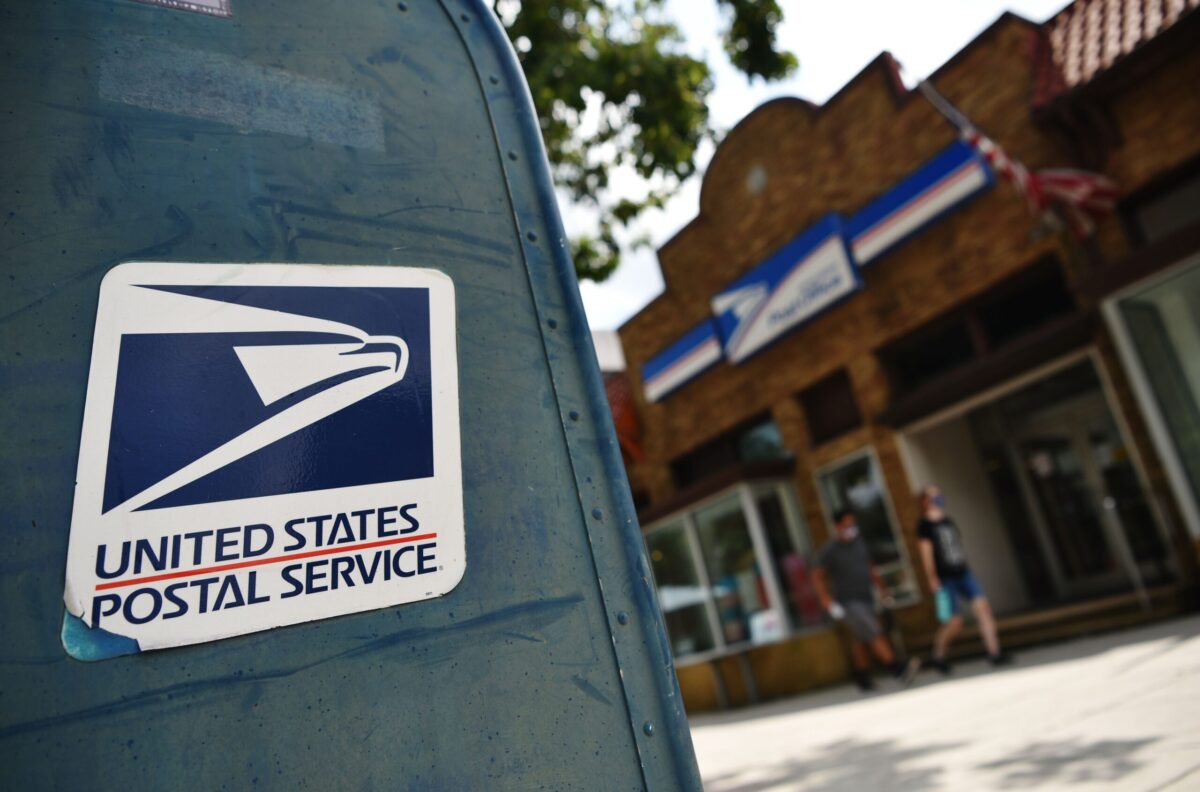
Judge halts Trump’s USPS ballot order. Image Credit: MANDEL NGAN / AFP via Getty Images
A federal judge has issued a nationwide order preventing the United States Postal Service (USPS) from implementing President Donald Trump’s executive order that would have changed how mail-in ballots are handled across the country.
The ruling by U.S. District Judge Emmet Sullivan represents the latest legal setback for the Trump administration’s election-related policies, temporarily halting a proposal that sought to require states to provide absentee voter lists before the Postal Service would transmit mail ballots.
Judge Sullivan concluded that the USPS proposal violated obligations established under a previous court settlement governing the agency’s handling of election mail, extending protections nationwide after an earlier injunction applied only to several states.
What Trump’s USPS Mail Ballot Order Proposed
President Trump signed Executive Order 14248 in March 2026 as part of a broader initiative aimed at strengthening election integrity and combating voter fraud.
Under the Postal Service’s proposed implementation of the order, USPS would have mailed ballots only for states that complied with specific federal requirements.
Among the most significant provisions were:
- States would be required to provide USPS with certified lists of absentee or mail-in voters.
- Ballots deemed “noncompliant” with the executive order’s standards could be rejected from delivery.
- States would also be expected to meet additional election mail requirements before USPS transmitted ballots.
- Mail ballot envelopes would eventually include individualized tracking barcodes to improve election mail monitoring.
Supporters argued the measures would improve transparency and strengthen confidence in election administration. Critics, however, warned they could complicate mail voting and expand the federal government’s role in election management.
Judge Emmet Sullivan Says USPS Proposal Violates Earlier Court Settlement
In his opinion, Judge Sullivan ruled that the Postal Service’s proposed regulations conflict with a settlement agreement reached after litigation filed by the NAACP following the 2020 election.
That lawsuit challenged operational changes at USPS that critics argued slowed election mail delivery during the COVID-19 pandemic.
A 2021 settlement required USPS to maintain policies prioritizing the monitoring and timely delivery of election mail while allowing the federal court to oversee compliance.
Judge Sullivan concluded that refusing to transport ballots for certain voters or entire states would undermine those obligations.
He wrote that the Postal Service could not simultaneously claim to prioritize election mail while refusing to accept ballots classified as noncompliant or declining to mail ballots in states that failed to provide required voter lists.
As a result, the court barred USPS from implementing the proposed regulations nationwide.
Nationwide Injunction Expands Earlier Court Order
The latest decision significantly broadens earlier judicial action against the executive order.
Previously, a federal judge in Boston had blocked USPS from enforcing the policy in nearly two dozen states that challenged the administration in court.
Judge Sullivan’s ruling now extends that protection across the entire United States, meaning the Postal Service cannot implement the proposal anywhere while the litigation continues.
The nationwide injunction ensures that election mail procedures remain unchanged unless a higher court overturns the decision or the case reaches a final resolution.
READ ALSO
Mail ballots, voter data and lawsuits: Why Trump’s new postal voting plan is facing backlash
Election Order Faces Multiple Legal Challenges
The USPS ruling is one of several court challenges confronting President Trump’s broader election executive order.
Just days earlier, another federal judge temporarily blocked portions of the administration’s effort to tighten voter registration requirements and restrict non-citizen participation in federal elections.
That lawsuit centered on Executive Order 14248, which also directed federal agencies to help create a national voter registration database and introduced additional verification measures intended to prevent voter fraud.
The administration has consistently defended the executive order, arguing it falls within the President’s authority to protect election integrity.
White House spokeswoman Abigail Jackson previously stated that the administration remains confident the order is lawful and expects to prevail as litigation moves forward.
NAACP Welcomes the Court Decision
The legal challenge before Judge Sullivan originated from the NAACP’s long-running efforts to ensure timely election mail delivery.
Following the ruling, NAACP President Derrick Johnson praised the decision, describing it as another legal defeat for what he characterized as efforts to interfere with voting access.
Supporters of the lawsuit argue the decision protects voters who rely on absentee and mail-in ballots, while opponents continue to argue that additional safeguards are necessary to improve election security.
The USPS has not publicly commented on the nationwide injunction.
What Happens Next?
Although Judge Sullivan’s ruling prevents immediate implementation of the Postal Service’s proposed regulations, the broader legal battle is far from over.
The Trump administration is expected to continue defending the executive order in federal court, and appeals remain likely.
Until additional rulings are issued, USPS will continue operating under existing election mail procedures established through prior court agreements.
The outcome of the ongoing litigation could shape how mail ballots are handled in future federal elections and determine the extent of federal authority over election administration.
FAQ
What did Judge Emmet Sullivan rule about the USPS?
Judge Emmet Sullivan ruled that the U.S. Postal Service cannot implement President Donald Trump’s executive order governing mail ballot delivery because it conflicts with a prior court settlement concerning election mail.
Why did the judge block Trump’s USPS mail ballot order?
The judge found that the proposed USPS regulations violated a 2021 settlement requiring the Postal Service to prioritize the monitoring and timely delivery of election mail without excluding certain ballots or states.
Does the ruling apply nationwide?
Yes. Judge Sullivan’s injunction blocks the USPS from enforcing the proposed mail ballot rules across the entire United States.
What was Trump’s executive order on mail ballots?
The executive order required states to provide certified absentee voter lists and meet additional federal requirements before USPS would transmit mail ballots. It also proposed enhanced ballot tracking measures.
Can USPS still deliver mail-in ballots?
Yes. USPS will continue handling election mail under its existing procedures while the court order remains in effect.
What is Executive Order 14248?
Executive Order 14248 is President Trump’s March 2026 election order designed to strengthen election security through voter registration reforms, mail ballot requirements, and other election administration measures.
Why is the NAACP involved in this case?
The NAACP originally sued USPS in 2020 over operational changes that allegedly delayed election mail. The current ruling is based on a settlement reached in that earlier lawsuit.
Will the Trump administration appeal the ruling?
An appeal is widely expected, although no final court decision has yet been reached. The administration has stated it believes the executive order is lawful.
Does this ruling stop all parts of Trump’s election order?
No. The decision specifically blocks USPS from implementing the proposed mail ballot regulations. Other provisions of the executive order remain subject to separate legal challenges.
How could this affect future elections?
The outcome of the ongoing litigation could influence how mail ballots are processed, the federal government’s role in election administration, and future election procedures across the United States.
What happens next in the case?
The injunction remains in place while the lawsuit proceeds. Higher courts may review the ruling if the administration files an appeal, and the case could ultimately determine the legality of the USPS-related provisions of the executive order.