

Obi, Kwankwaso set for major political shift? Inside NDC defection talks amid ADC crisis

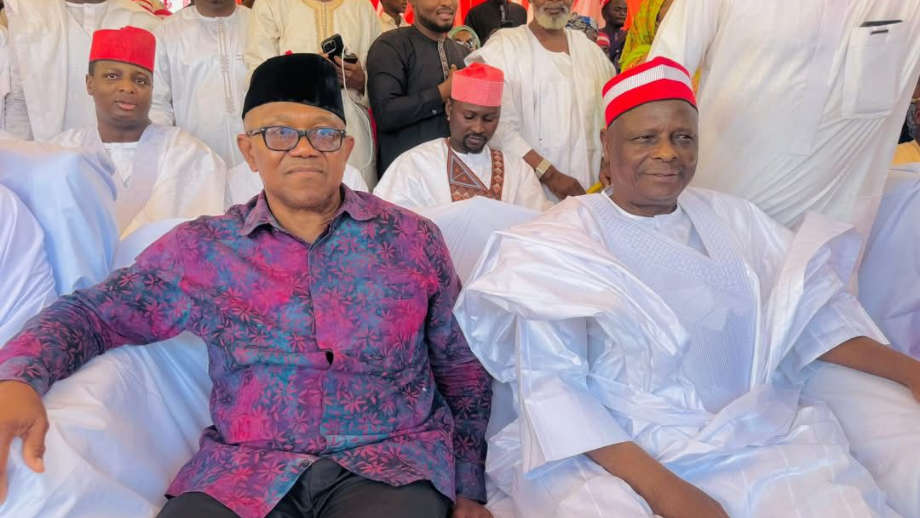
Peter Obi and Rabiu Kwankwaso
Nigeria’s political landscape may be on the verge of a major realignment as Peter Obi and Rabiu Kwankwaso are reportedly set to defect to the Nigeria Democratic Congress (NDC) amid growing uncertainty within the African Democratic Congress (ADC).
The potential move, which insiders say could happen within days, follows intensifying leadership disputes, legal battles, and internal disagreements within the ADC, factors that may reshape alliances ahead of the 2027 general elections.
Kwankwaso, Obi Defection Plans Gain Momentum
Sources close to the influential Kwankwasiyya movement revealed that discussions between key stakeholders and the NDC are already “about 90 percent complete.”
According to insiders, Peter O has received unanimous backing from political allies and grassroots stakeholders across Kano State to exit the ADC. The decision reportedly came after consultations involving representatives from all 44 local government areas.
The movement’s spokesperson noted that both Kwankwaso and are expected to finalize their switch between Monday and Tuesday, signaling a coordinated political strategy.
ADC Leadership Crisis Drives Exit Talks
At the core of the looming defection is the prolonged leadership crisis within the ADC, which has created uncertainty for party members and coalition leaders.
A recent ruling by the Supreme Court returned the party’s leadership dispute to the Federal High Court, effectively resetting the legal battle without resolving it.
Political insiders warn that the ongoing litigation could drag on for months or even years, jeopardizing the party’s readiness for the 2027 elections.
Stakeholders reportedly fear that remaining in the ADC under such conditions would be politically risky, especially with deadlines set by the Independent National Electoral Commission (INEC) for party compliance.
Zoning Dispute and Internal Tensions Fuel Discontent
Another critical issue driving the potential exit is the lack of consensus on zoning arrangements within the ADC.
Peter Obi, who has consistently advocated for power rotation and equity, is said to be dissatisfied with the party’s reluctance to address zoning concerns.
Sources indicate that Obi believes the absence of a clear zoning framework could undermine trust and fairness in the party’s presidential primary process.
His absence from recent ADC meetings following the Ibadan opposition summit has further fueled speculation about his next political move.
READ ALSO
Obi + Kwankwaso = Trouble for Tinubu? Inside the alliance talks rocking 2027 race
NDC Emerges as Preferred Political Platform
Amid the crisis, the Nigeria Democratic Congress has emerged as the preferred alternative platform for both leaders.
The party has reportedly held advanced discussions with Obi and Kwankwaso, with some insiders claiming that the NDC is willing to offer a presidential ticket arrangement to secure their entry.
NDC officials have also publicly expressed openness to welcoming both politicians, describing the party as an inclusive and reform-driven platform.
Growing Wave of Defections Strengthens NDC
The anticipated move by Obi and Kwankwaso may not happen in isolation. Several ADC leaders and political figures are reportedly considering similar defections, signaling a broader shift in Nigeria’s opposition politics.
Notably, political heavyweight Aishatu Binani has already joined the NDC, citing the party’s structured governance framework and policy-driven approach.
Analysts suggest that such high-profile defections could boost the NDC’s national relevance ahead of the next electoral cycle.
Implications for 2027 Elections
If confirmed, the defection of Peter Obi and Rabiu Kwankwaso would represent one of the most significant political shifts in recent Nigerian history.
The move could reshape opposition dynamics, consolidate voter bases, and potentially create a formidable coalition capable of challenging the ruling party in 2027.
However, both camps have yet to make an official announcement, with close aides maintaining that final decisions will be communicated publicly in the coming days.
FAQ
1. Is Peter Obi joining the NDC?
Peter Obi has not officially confirmed his defection, but multiple sources indicate that advanced discussions with the NDC are ongoing, and a decision may be announced soon.
2. Why is Rabiu Kwankwaso leaving the ADC?
Kwankwaso’s potential exit is linked to the ongoing leadership crisis, legal battles, and internal instability within the ADC, which stakeholders believe could affect electoral chances.
3. What is the NDC in Nigeria?
The Nigeria Democratic Congress (NDC) is an emerging political platform positioning itself as an inclusive and reform-oriented party attracting opposition leaders.
4. What caused the ADC crisis?
The ADC crisis stems from leadership disputes, court cases, and disagreements over party structure and zoning, which remain unresolved.
5. Will Obi and Kwankwaso run together in 2027?
There are strong indications of a possible joint ticket or alliance, but no official confirmation has been made yet.
6. How does the Supreme Court ruling affect ADC?
The ruling returned the leadership dispute to a lower court, meaning uncertainty continues, delaying resolution and weakening party cohesion.
7. Are other politicians joining the NDC?
Yes, several politicians, including Aishatu Binani, have already joined the NDC, with more expected if current negotiations succeed.
8. When will the defection be confirmed?
Sources suggest that any official announcement could happen within days, depending on final negotiations.
9. What does this mean for the 2027 elections?
A successful alliance between Obi and Kwankwaso under the NDC could significantly reshape Nigeria’s political opposition and intensify competition.
10. Why is zoning important in Nigerian politics?
Zoning ensures fair regional representation, and its absence often leads to disputes and dissatisfaction among political stakeholders.