

Air Peace explains Gatwick-Lagos flight disruption, denies abandoning passengers

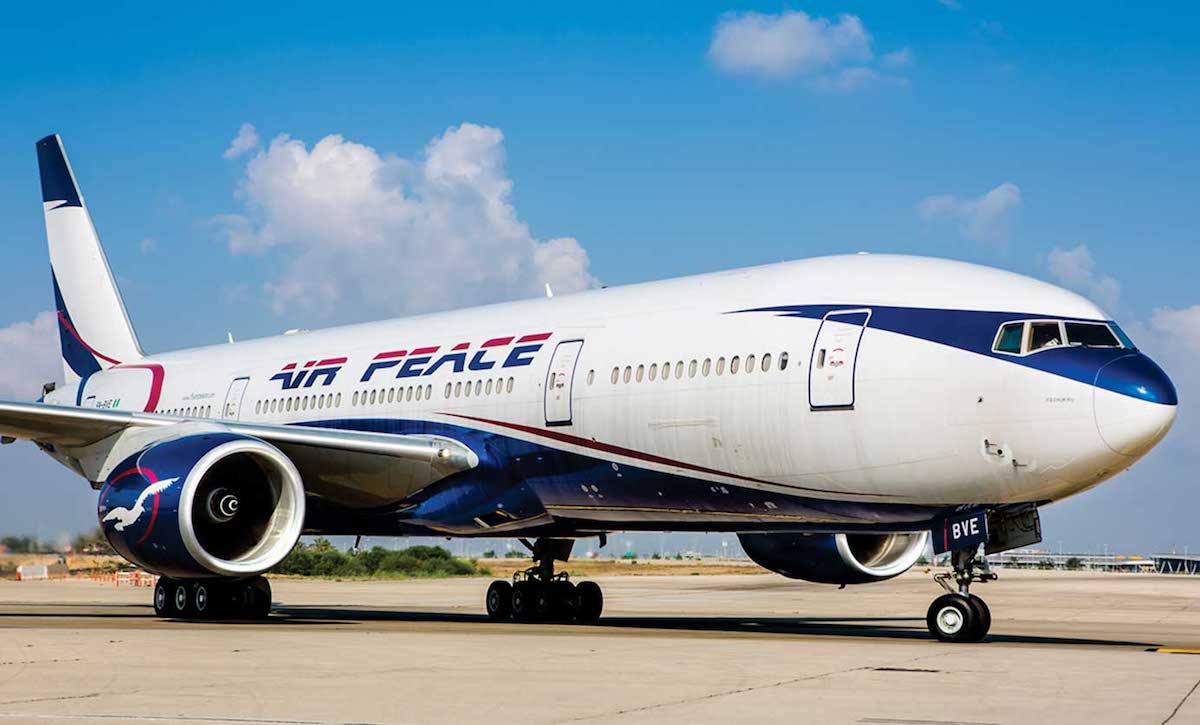
Air Peace
Nigeria’s leading airline, Air Peace, has issued a detailed response following widespread criticism over a major flight disruption at London’s Gatwick Airport, which left passengers stranded for hours.
The incident, which occurred on May 1, 2026, affected the airline’s London–Lagos route, sparking complaints from travellers and drawing public attention after Nollywood actress Funke Akindele voiced frustration over the situation.
While passengers described a chaotic experience marked by delays, poor communication, and lack of immediate support, the airline has maintained that the disruption was caused by a bird strike, a recognized aviation hazard requiring urgent safety action.
What Caused the Air Peace Flight Delay? Bird Strike Confirmed
According to Air Peace, the disruption was triggered by a bird strike involving the aircraft scheduled for departure from Gatwick Airport to Lagos.
The airline explained that in line with international aviation safety protocols, the aircraft was immediately grounded for comprehensive inspection and engineering checks.
In its official statement, the airline emphasised that “safety is not negotiable”, noting that no aircraft would be cleared for operation without undergoing required checks after such an incident.
Bird strikes are classified as force majeure events in aviation, meaning they are unforeseen and beyond the airline’s direct control.
Passengers Report Long Waits, Poor Communication
Despite the safety justification, passengers reported a deeply frustrating experience, with many alleging they were left stranded for nearly 10 hours without adequate updates.
Funke Akindele took to social media to highlight the situation, stating that travelers, including elderly individuals, were left without access to luggage, food, or hotel accommodation for extended periods.
She described scenes of exhaustion and confusion, with passengers waiting from early morning into the afternoon without clear direction from airline officials.
Her comments amplified public scrutiny and sparked broader discussions about airline accountability and passenger welfare during disruptions.
READ ALSO
Funke Akindele blasts Air Peace as London passengers stranded for hours after bird strike chaos
Air Peace Denies Abandoning Passengers
In response to the backlash, Air Peace strongly denied claims that passengers were abandoned.
The airline stated that affected travellers were promptly informed of the disruption and that efforts were made to provide assistance, including hotel accommodation at facilities such as the Hilton London Gatwick.
However, the airline acknowledged that operational challenges, including airport congestion and delays in ground handling services, affected baggage retrieval and overall passenger handling.
It clarified that baggage operations at international airports are handled by third-party service providers, limiting the airline’s direct control over the process.
Safety vs Service: A Growing Debate in Aviation
The incident has reignited conversations about the balance between safety protocols and customer experience in aviation.
While experts agree that grounding an aircraft after a bird strike is mandatory, critics argue that airlines must improve communication, transparency, and immediate care for affected passengers.
Air Peace reiterated its commitment to operational excellence and passenger safety, while also promising to review its response systems to better handle similar disruptions in the future.
Impact on Air Peace’s Reputation and Industry Standards
As Nigeria’s largest carrier, Air Peace plays a crucial role in international travel connectivity, especially on routes linking West Africa to Europe.
Incidents like this, however, highlight the importance of crisis management and customer communication, particularly in high-pressure situations involving international passengers.
Industry observers note that while technical disruptions are sometimes unavoidable, the speed and clarity of airline response often determine public perception.
FAQ
What caused the Air Peace London flight disruption?
The disruption was caused by a bird strike, which forced the airline to ground the aircraft for safety inspections in line with global aviation regulations.
What is a bird strike in aviation?
A bird strike occurs when a bird collides with an aircraft, potentially damaging engines or critical components. It is considered a serious safety risk requiring immediate checks.
How long were passengers stranded at Gatwick Airport?
Passengers reported being stranded for up to 10 hours, with delays in communication, baggage handling, and accommodation arrangements.
Did Air Peace provide hotel accommodation?
Air Peace stated that hotel accommodation was arranged, but some passengers claimed delays in receiving this support.
Why was baggage delayed during the incident?
The airline explained that baggage handling is managed by third-party ground services, and delays were caused by airport congestion and operational constraints.
Did Air Peace abandon passengers?
No. The airline denied abandoning passengers, stating that communication and assistance were provided, though some travelers disputed the adequacy of the response.
Are airlines responsible for delays caused by bird strikes?
Bird strikes are classified as force majeure events, meaning airlines are not directly responsible. However, they are expected to support affected passengers.
What should passengers do during long flight delays?
Passengers should stay in contact with airline staff, request updates, and ask about compensation, meals, and accommodation, depending on airline policies.
Can passengers get compensation for such delays?
Compensation depends on airline policies and local regulations. In cases of force majeure, compensation may be limited, but support services should still be provided.
What lessons does this incident highlight for airlines?
The key takeaway is the need for clear communication, faster response systems, and better passenger care, even during unavoidable disruptions.