

Nigeria’s Housing Crisis Is No Longer Just About Rent — It’s About What Nigerians Can Afford to Call Home

Guardian Nigeria News
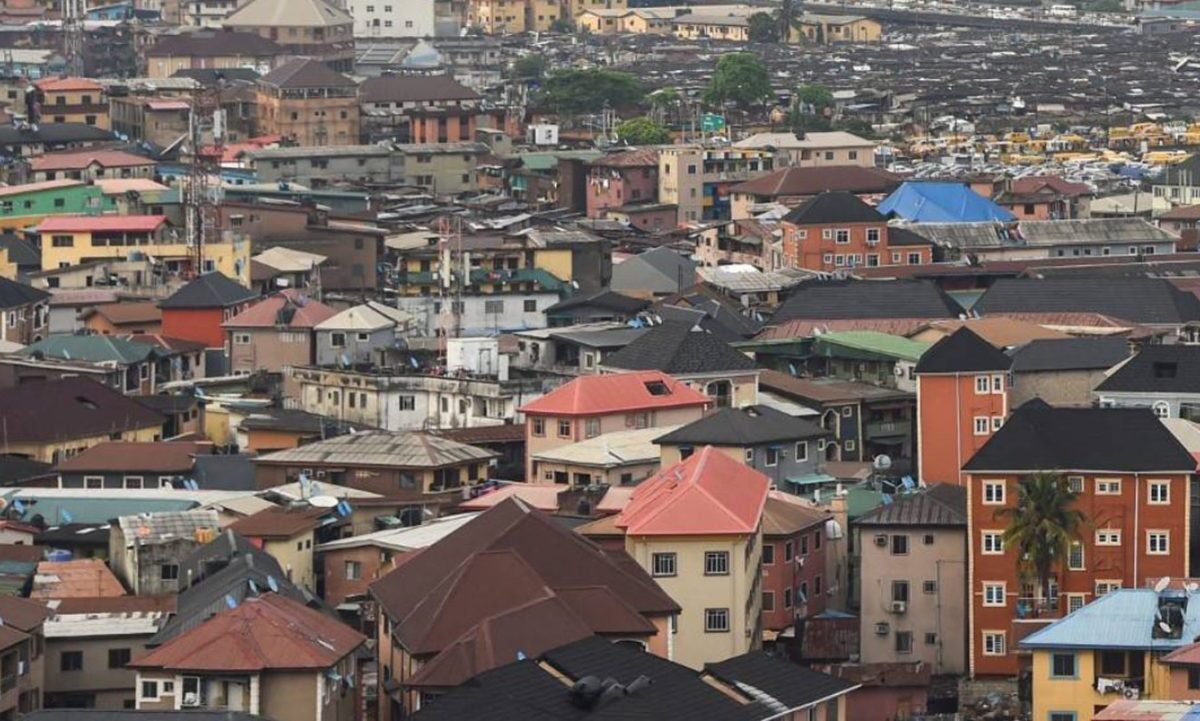
The housing crisis in Nigeria is becoming harder to ignore, and the problem goes far beyond the eye-watering rents making headlines in Lagos. A recent viral listing for a ₦2.5 million mini-flat advertised as suitable for “slim people” may have provided social media with another joke, but it also exposed a serious reality: Nigerians are increasingly paying more for less space.
Lagos is only the most visible example of a problem spreading across the country.
New data from the Federal Government puts Nigeria’s housing deficit at 14.925 million units in 2025, while a separate assessment found that about 15.2 million existing housing units are structurally inadequate. In other words, the country is dealing with two problems at once — not enough homes and millions of homes that do not meet acceptable standards.
Why Nigerians Are Paying More for Smaller Homes
The simplest explanation is that demand has outpaced supply.
Nigeria’s population continues to grow, while more people are moving towards urban centres in search of employment, education and business opportunities. The Federal Government’s housing data identified rapid population growth, urbanisation, limited access to long-term housing finance, land constraints and inadequate housing supply among the factors driving the shortage.
But supply alone does not explain the situation.
Building a house has also become significantly more expensive. The Housing Ministry has identified the high cost of building materials as one of the challenges affecting affordable housing delivery.
Developers have to recover the cost of land, cement, steel, labour, transportation, permits, infrastructure and financing. Those costs eventually find their way into the price paid by tenants and buyers.
That creates an uncomfortable situation: the country needs cheaper housing at exactly the time it is becoming more expensive to build one.
The Real Problem Is Affordability
This is where the conversation about rent often goes wrong.
Nigeria does not simply need more houses. It needs more houses that Nigerians earning ordinary incomes can afford.
A new apartment does not solve the housing problem if its rent is beyond the reach of the people who actually need accommodation.
The same applies to houses built far from employment centres. If a supposedly affordable home requires a resident to spend hours commuting and a large portion of their income on transportation, the house may not be affordable in practical terms.
The Federal Government’s assessment itself recognises that the housing challenge involves more than the number of buildings. It includes access to land, secure tenure, housing finance, infrastructure, basic services and regional differences.
Lagos Shows What Could Happen Elsewhere
Lagos has become the centre of the conversation because its population, land prices and concentration of economic activity have created particularly intense competition for housing.
But the underlying problem is national.
From Abuja to Port Harcourt, Ibadan, Kano, Enugu and other growing cities, Nigerians are dealing with versions of the same pressure: rising rents, limited affordable options and wages that struggle to keep pace with the cost of living.
The wider economic squeeze makes the situation even more difficult. Nigerians are already spending more on food, transportation, electricity and other necessities, leaving less income available for housing. Recent reporting has shown how the cost-of-living crisis continues to strain household budgets across the country.
The Mini-Flat Is Not the Story
That is why the viral ₦2.5 million mini-flat deserves more than laughter.
The strange part is not that someone built a tiny apartment.
The strange part is that there may be enough desperate people looking for accommodation for such a property to have a market.
That is the real warning.
If Nigeria continues adding people faster than it adds affordable, decent homes, the market will keep adjusting in ways that may seem ridiculous today but become normal tomorrow.
People will accept smaller rooms, longer commutes, overcrowded neighbourhoods and increasingly expensive rents because the alternative is having nowhere to live.
The housing crisis in Nigeria, therefore, is not simply a story about greedy landlords or expensive cities.
It is a story about supply, purchasing power, urban planning, construction costs and the widening gap between what Nigerians earn and what decent accommodation costs.
Until those issues are addressed together, the next viral housing advert may be even more absurd.
And Nigerians may still have to pay for it.