
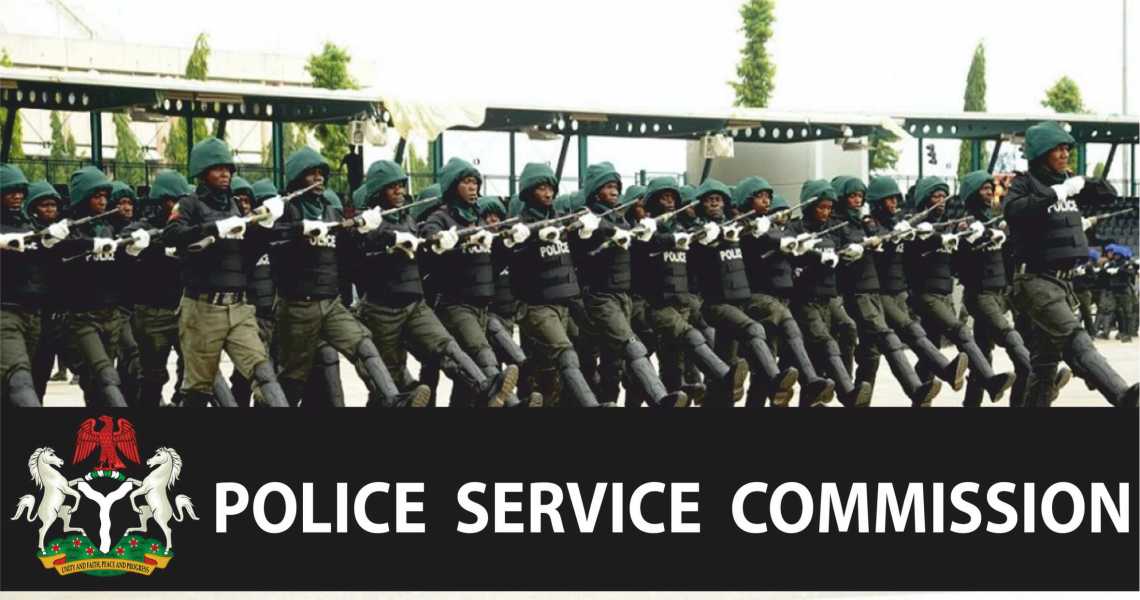
Three senior police officers recently lost their jobs following disciplinary proceedings by the Police Service Commission (PSC). Although the commission did not disclose their specific offences, its disciplinary guidelines identify 19 serious violations that can attract dismissal, reduction in rank or prosecution.
The PSC announced the dismissals on November 4, 2026, alongside the demotion of 16 other officers. It also issued severe reprimands to 21 personnel and ordinary reprimands to two others.
The commission said the three dismissals followed established cases of serious misconduct and conduct unbecoming of members of the Force. However, it did not identify the officers or explain the individual offences involved.
Nigeria’s Police Service Commission has outlined the types of serious offences that can attract severe disciplinary measures in its 2018 Guidelines on Appointment, Promotion and Discipline in the Nigeria Police Force.
19 offences that can lead to police officers’ dismissal in Nigeria
Section 3.7 of the PSC guidelines identifies 19 serious offences which, if proven, may attract dismissal, reduction in rank or prosecution.
They include:
1. Mutiny, sedition and unlawful assembly: Police officers can face dismissal for participating in mutiny, sedition, strikes or unlawful assemblies.
2. Violence against superior officers: Assaulting or using violence against a superior officer is classified as a serious disciplinary offence.
3. Desertion: Abandoning police duties without authorisation can attract severe punishment.
4. Falsification of official records: Altering, fabricating or suppressing official records is among the offences recognised by the commission.
5. Criminal conviction: An officer convicted of a criminal charge can face dismissal or other disciplinary measures.
6. Partisan politics: Engaging in partisan political activities is prohibited for serving police officers.
7. Bribery and corruption: Accepting bribes or engaging in corrupt practices can cost an officer their position.
8. Embezzlement and misappropriation: Diverting or improperly using public funds is another serious offence.
9. Unauthorised disclosure of official information: Officers can face disciplinary action for violating their oath of secrecy or disclosing protected official information without permission.
10. Nepotism: Giving preferential treatment to individuals because of personal relationships or connections is also listed.
11. Divided loyalty: Officers can face sanctions for conduct that compromises their loyalty to the Force and its responsibilities.
12. Sabotage: Deliberately undermining official operations or damaging the interests of the Force can attract severe punishment.
13. Wilful destruction of public property: Deliberately damaging government property is classified as a serious offence.
14. Rape and sexual harassment: Sexual violence and harassment are explicitly included among offences that may attract dismissal.
15. Holding multiple paid jobs: Police officers are prohibited from holding more than one paid job at the same time.
16. Absence without permission: Staying away from official duties without authorised leave or permission can attract disciplinary action.
17. False claims against government officials: Making false claims against public officials is another offence listed by the PSC.
18. Serious financial embarrassment: Officers who fall into serious financial difficulties can face disciplinary action under the guidelines.
19. Conduct unbecoming of a public officer: Any other behaviour considered unbecoming of a public officer or prejudicial to discipline can also attract serious punishment.
Does every serious offence automatically lead to dismissal?
No. The PSC guidelines distinguish between the commission of an offence and the punishment that follows after it has been established.
Section 3.7 states that the listed offences may attract dismissal, reduction in rank or prosecution. This means the commission can consider the circumstances of each case before deciding the appropriate sanction.
The guidelines also identify lesser offences, including drunkenness, foul language, negligence, sleeping on duty, habitual lateness and refusal to obey lawful instructions.
These offences may attract corrective punishments ranging from verbal correction to termination, depending on the circumstances.
How does the PSC determine whether an officer should be dismissed?
The commission’s disciplinary guidelines provide for an investigation and review process before a punishment is imposed.
For senior police officers, the process begins with a query explaining the alleged offence and the rules allegedly violated. The officer is given an opportunity to respond with explanations and supporting evidence.
The case may then proceed through the Force Disciplinary Committee before the Inspector-General of Police makes recommendations to the PSC.
The commission reviews the case and can request further investigation before reaching a final decision. The Inspector-General of Police is responsible for implementing approved disciplinary decisions.
Section 3.4 also requires the offence to be clearly stated and established, due process to be followed and the punishment to be proportionate. Unproven offences must be resolved in favour of the accused officer.
The provisions show that dismissal is not supposed to follow merely because an officer has been accused of misconduct. The allegation must be established through the prescribed disciplinary process.
CrispNG reports that while the PSC’s recent decision confirms that serious misconduct can cost senior officers their positions, its published disciplinary guidelines provide a clearer picture of the offences that can attract such punishment.