

New Zealand Work Visa Scam: 8 Red Flags Foreigners Should Watch Before Paying Anyone

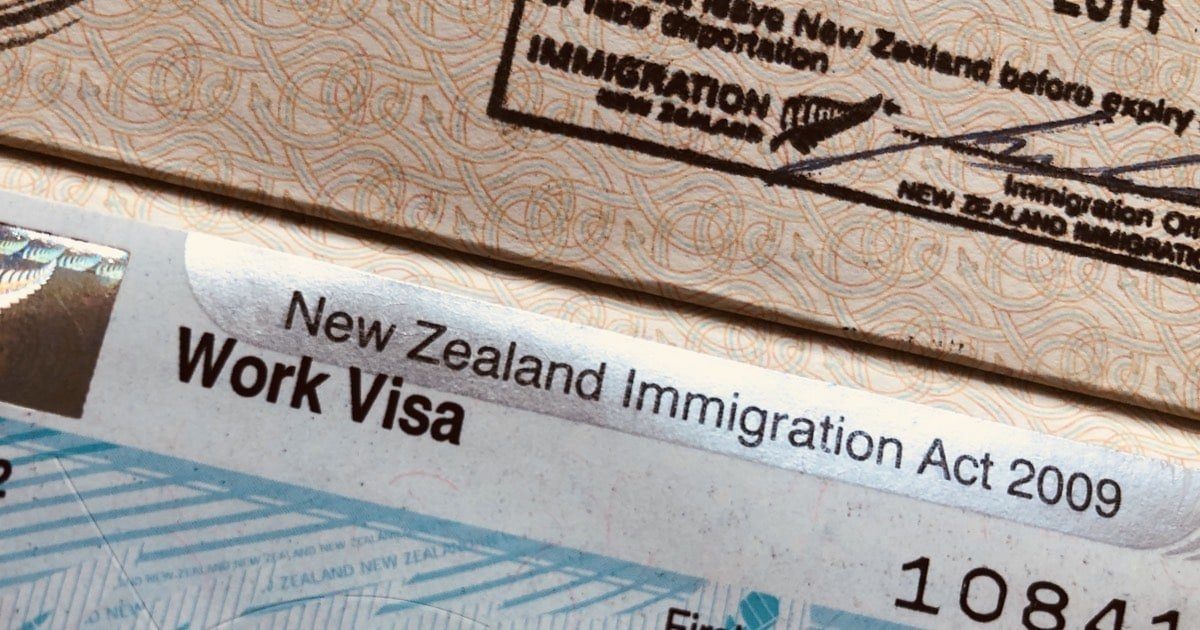
New Zealand Work Visa
Foreigners planning to work in New Zealand have been warned to look out for common scam tactics that can leave visa applicants with lost money, fake job offers or serious immigration problems.
Immigration New Zealand (INZ) has published guidance identifying warning signs that people should watch for when searching for jobs, dealing with recruiters or applying for work visas.
The warning comes as scammers continue to target prospective migrants who are eager to secure employment and move to New Zealand.
Some scams involve fake job offers, while others rely on people pretending to be immigration advisers or officials. INZ has also warned that scammers can use websites, emails and social media accounts that appear to be connected to the New Zealand government.
Here are eight major warning signs prospective migrants should know.
1. Someone asks you to pay for a New Zealand job
One of the clearest warning signs is being asked to pay money in exchange for a job.
New Zealand employers cannot charge workers for a job or pass recruitment costs on to them. This includes payments made through third parties that claim to provide job placement or processing services.
Applicants should be particularly careful when a recruiter demands a large payment before revealing details of the employer or job.
A recruitment agency may charge for legitimate services it provides, but INZ advises migrants to be cautious about unusually high fees.
2. An agent promises to speed up your visa
Applicants should be suspicious of anyone claiming they have special connections inside Immigration New Zealand.
Scammers may promise to get an application processed faster, arrange special treatment or guarantee a positive decision.
INZ says applications are assessed against immigration requirements and using an adviser does not automatically give an applicant priority.
A person who claims otherwise should be treated with caution.
3. You are told to provide false information
Another major red flag is an adviser or recruiter asking an applicant to lie on a visa application.
Applicants may be encouraged to hide information, submit false documents or exaggerate their qualifications or employment history.
Providing false information can create serious immigration problems. Prospective migrants should not allow an agent to submit information they know to be untrue simply because they believe it will improve their chances of getting a visa.
4. Someone tells you migrants have fewer employment rights
Scammers or dishonest employers may try to convince foreign workers that their immigration status means they do not have the same basic workplace protections as other employees.
That is not how New Zealand’s employment system works.
Migrant workers are protected by New Zealand employment law and are entitled to minimum employment rights. These include protections relating to pay, holidays, sick leave and workplace safety.
Anyone using a worker’s foreign status to justify illegal or unfair treatment should raise concern.
READ ALSO
New Zealand Student Visa 2026: New Work and Post-Study Rules African Students Need to Know
Can Your Relative Bring a Child to the UK? 4 Conditions Families Need to Meet in 2026
5. A job offer comes with an unusual accommodation package
Some scammers combine a supposed job offer with accommodation and demand a large upfront payment for the package.
INZ warns migrants to be careful with these arrangements, particularly when the accommodation is presented as compulsory or the price appears excessive.
While some industries may have legitimate arrangements involving accommodation, applicants should verify the job and employer independently rather than relying solely on the person selling the package.
6. You are promised guaranteed residence
A job offer should not automatically be presented as a guaranteed route to New Zealand residence.
New Zealand has immigration pathways that can lead to residence, but eligibility depends on the particular visa, occupation, qualifications, skills, employment and other requirements.
Anyone promising that a particular job will definitely result in permanent residence is making a claim that should be independently checked.
INZ has specifically warned migrants about job offers that exaggerate the likelihood of obtaining residence.
7. The website or email looks official but has the wrong address
Fake immigration websites can make scams particularly difficult to identify.
Applicants should carefully check the website they are using before entering personal information or making payments.
INZ says its official online services use addresses containing immigration.govt.nz. Applicants should avoid assuming that a website is genuine simply because it contains words such as “New Zealand immigration” in its name.
The same caution applies to emails and messages claiming to come from immigration officials.
8. You are asked to deposit visa fees into a bank account
Another important warning sign is being told to pay visa fees by transferring money into someone’s bank account.
INZ says official visa payments should be made through its authorised payment channels, including online application forms or approved Visa Application Centres where applicable.
Applicants should be particularly suspicious when an agent insists that money must be transferred directly to a personal or unrelated bank account.
How can foreigners protect themselves from New Zealand visa scams?
Prospective migrants can take several steps before handing over money or personal documents.
They should verify the employer and job offer independently, check whether an employer is accredited where accreditation is required, and use official Immigration New Zealand services when applying for a visa.
Anyone seeking professional immigration advice should also check that the adviser is legally authorised to provide immigration advice in New Zealand.
Applicants should keep copies of job offers, employment agreements, payment records and communications with recruiters. These documents can become important if a dispute or suspected scam arises.
INZ also advises migrants to verify suspicious visa documents and seek help if they believe they are being exploited.
FAQs about New Zealand work visa scams
Can a New Zealand employer charge me for a job?
No. Employers cannot charge migrants fees for securing a job or pass certain recruitment and employment-related costs on to workers.
Can an agent guarantee my New Zealand work visa?
No. An adviser cannot guarantee a favourable immigration decision or obtain priority treatment simply because they have claimed connections with immigration officials.
Can a job guarantee New Zealand residence?
No. Residence eligibility depends on the applicable immigration pathway and the applicant meeting its requirements.
How can I identify an official New Zealand immigration website?
Check the web address carefully. Immigration New Zealand’s official online services use the immigration.govt.nz domain.
Can I pay my New Zealand visa fee into an agent’s bank account?
Applicants should use the official payment channels provided by Immigration New Zealand rather than transferring visa fees to an individual’s personal bank account.
Can migrants report exploitation in New Zealand?
Yes. Immigration New Zealand and Employment New Zealand provide channels through which migrant workers can seek help with exploitation or unfair treatment.
Do migrant workers have employment rights in New Zealand?
Yes. Migrant workers are covered by New Zealand employment law and have minimum employment rights.
Do I need an immigration adviser to apply for a New Zealand work visa?
Not necessarily. Applicants can apply themselves. Those who choose to use an adviser should ensure the person is legally authorised to provide immigration advice.