
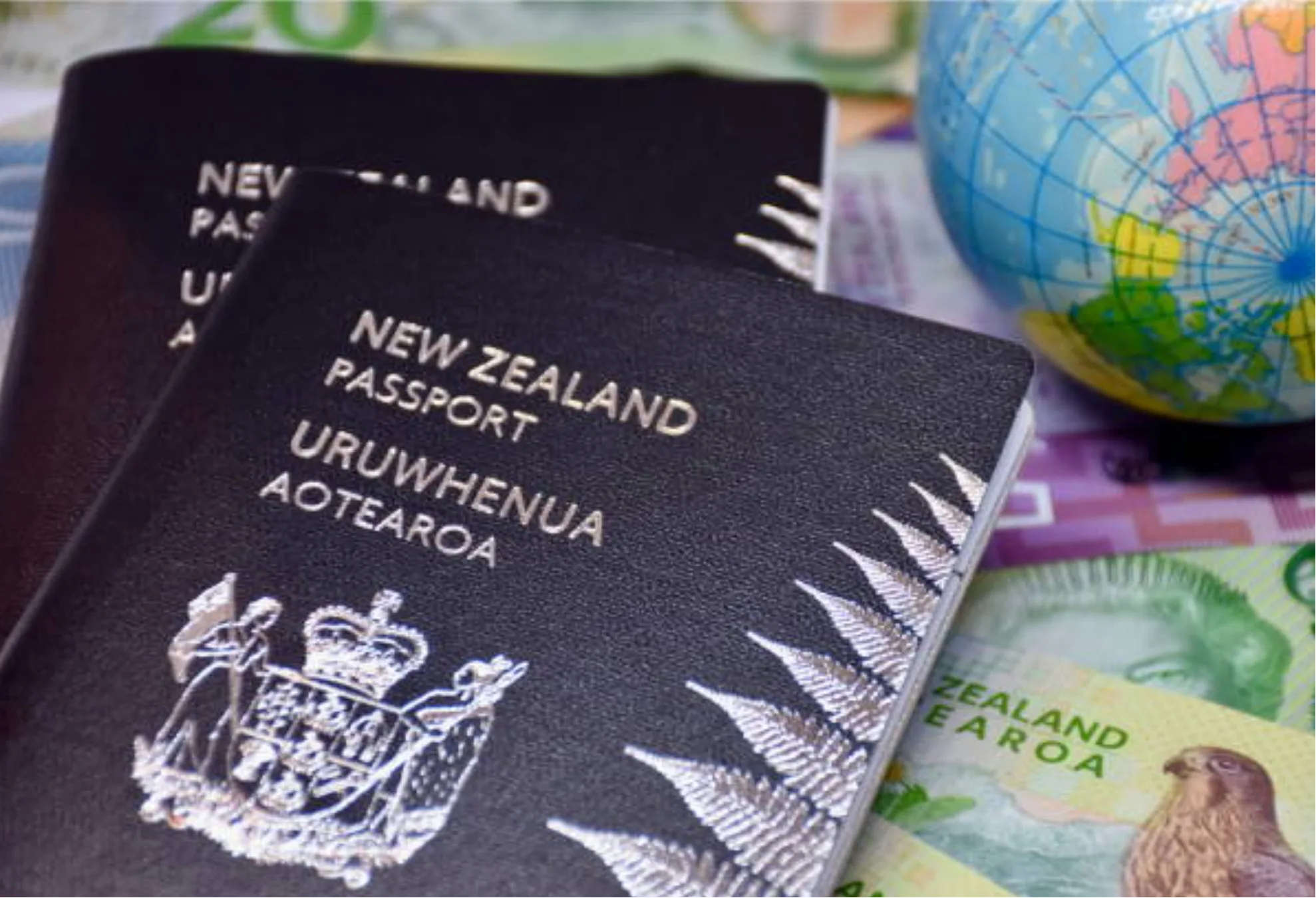
Foreigners applying for New Zealand citizenship must provide an identity referee who has known them for at least one year, under requirements outlined by the country’s government.
The referee must also meet specific conditions, including being at least 16 years old, holding a current or expired New Zealand passport and having no family relationship with the applicant.
New Zealand’s identity verification rules are part of the citizenship application process, helping authorities confirm applicants’ identities and check information submitted in their applications.
The government also requires applicants to obtain the referee’s agreement before including their details, as immigration officials may contact the person directly during the assessment process.
New Zealand Citizenship: How Long Must a Referee Know an Applicant?
According to New Zealand’s government, an identity referee must have known the citizenship applicant for at least one year.
There is an alternative for people who have known the applicant since birth. In such cases, the referee can qualify without having to meet a separate one-year acquaintance period.
This requirement is intended to ensure that the person providing the reference has sufficient knowledge of the applicant to help confirm their identity.
Foreigners preparing their citizenship applications should consider this condition when choosing someone to act as their referee.
Who Qualifies as an Identity Referee in New Zealand?
New Zealand has established several conditions that a person must meet before they can serve as an identity referee for a citizenship applicant.
The individual must:
- Be at least 16 years old.
- Hold a current or expired New Zealand passport.
- Have known the applicant for at least one year or since their birth.
- Not be related to the applicant by blood or through extended family.
- Live at a different residential address from the applicant.
These requirements mean that applicants cannot simply nominate any friend, colleague or acquaintance. The person must satisfy all the relevant conditions before being included in the application.
READ ALSO
Germany Explains 3 Reasons Foreigners Can Be Refused Citizenship, Even After Years of Living There
New Zealand Bars Relatives and People Living at the Same Address
The government also places restrictions on the relationship between applicants and their proposed referees.
A person who is related to the applicant, either through immediate or extended family connections, cannot serve in this role.
The referee must also have a different residential address from the citizenship applicant.
These conditions are intended to ensure that identity verification comes from someone who can independently confirm the applicant’s identity rather than relying on a close family relationship or shared household.
Applicants should check these restrictions before selecting a referee to avoid complications during the application process.
What Must a New Zealand Citizenship Referee Agree To?
Before including someone as an identity referee, applicants must obtain their agreement to take on the responsibility.
The person must understand that New Zealand officials may contact them directly to verify the applicant’s identity and cross-check details provided in the citizenship application.
This means a referee should be willing to respond to official enquiries and remain reachable while the application is being processed.
Providing someone’s details without their knowledge or agreement could create difficulties if authorities attempt to contact them.
Other Requirements for New Zealand Citizenship
The identity referee is only one part of New Zealand’s citizenship application process.
The country’s citizenship-by-grant requirements also cover good character, knowledge of English and physical presence.
According to the government requirements highlighted in the report, applicants generally need to have been physically present in New Zealand for at least 1,350 days over the five years immediately before applying, with at least 240 days in each of those five years.
The reported minimum age for applicants applying independently for citizenship by grant is 16.
Foreigners planning to apply should review all applicable eligibility conditions, as meeting the referee requirement alone does not guarantee approval.
Frequently Asked Questions
1. How long must a referee know someone applying for New Zealand citizenship?
An identity referee must have known the applicant for at least one year or since the applicant’s birth.
2. What age must a New Zealand citizenship referee be?
The referee must be at least 16 years old.
3. Must a New Zealand citizenship referee have a passport?
Yes. The person must hold either a current or expired New Zealand passport.
4. Can a family member serve as a New Zealand citizenship referee?
No. The referee must not be related to the applicant by blood or through extended family.
5. Can someone living with an applicant serve as their referee?
No. The referee must live at a different residential address from the applicant.
6. Will New Zealand officials contact citizenship referees?
Yes. Officials may contact the referee directly to confirm the applicant’s identity and verify details in the application.
7. How many days must foreigners spend in New Zealand before applying for citizenship?
Applicants generally need at least 1,350 days of physical presence over five years, including at least 240 days in each of those five years.