
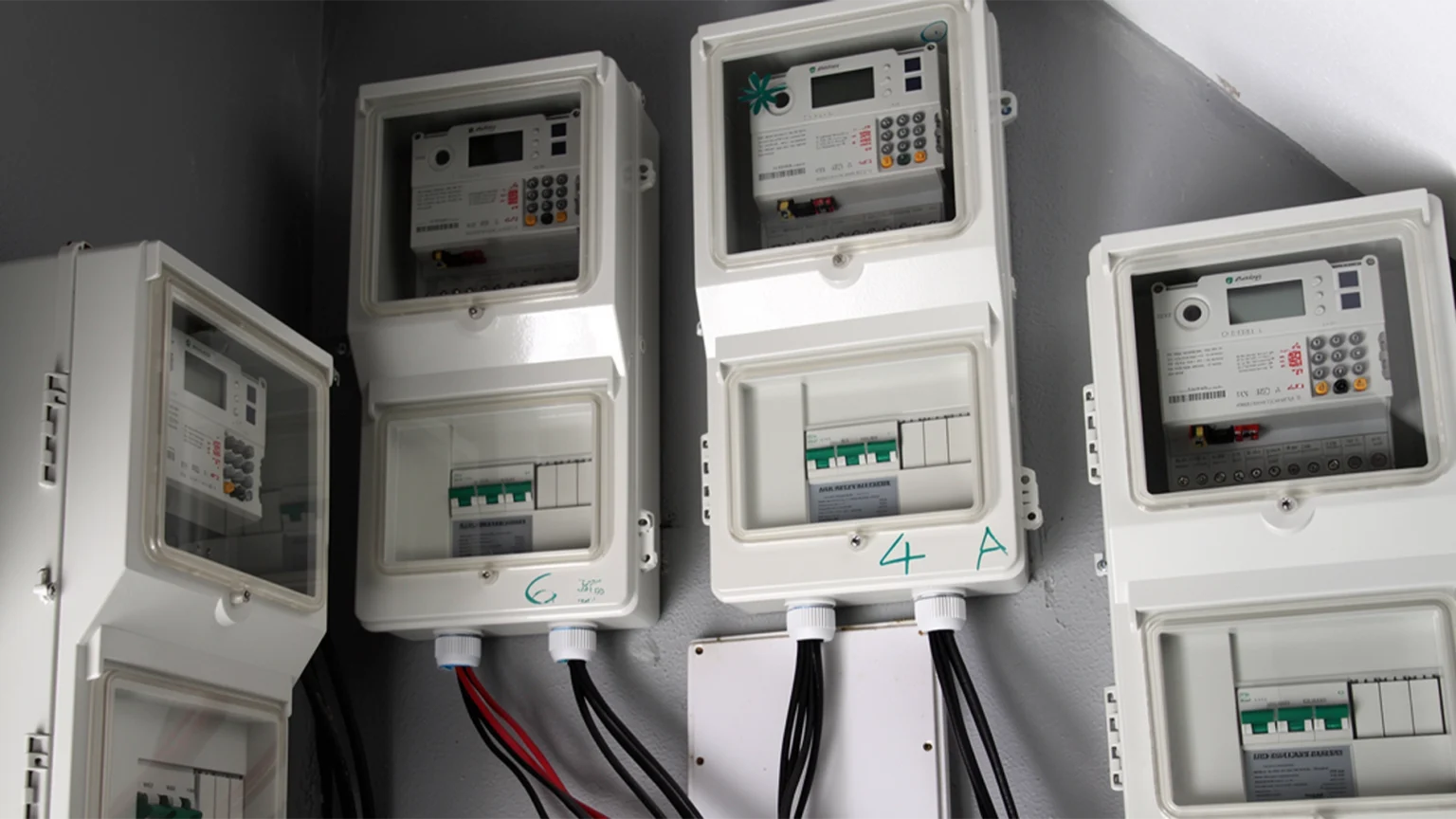
The Nigerian Electricity Regulatory Commission (NERC) has approved another ₦30 billion for electricity meters, targeting customers on Band A who are still without prepaid meters and faster coverage for Band B consumers.
Millions of Nigerian electricity consumers still depend on estimated billing because they do not have prepaid meters. However, a new funding approval by the Nigerian Electricity Regulatory Commission (NERC) could bring relief to some of them.
The regulator has approved ₦30 billion for the third tranche of the Meter Acquisition Fund (MAF), under the Federal Government’s Presidential Metering Initiative.
The money will help provide meters for all remaining unmetered Band A customers and accelerate installations for Band B consumers.
According to NERC’s Order No. NERC/2026/121, the latest tranche took effect on November 2, 2026. Electricity distribution companies (DisCos) must complete the installations by May 31, 2027.
Who will benefit from the ₦30bn meter fund?
The programme gives priority to Band A customers who are yet to receive prepaid meters. It will also support faster metering for Band B consumers.
Under Nigeria’s service-based tariff system, Band A customers are expected to receive at least 20 hours of electricity daily. Band B customers are expected to receive at least 16 hours.
However, the approval does not mean every unmetered household will receive a meter immediately. Distribution companies must organise procurement and installation across their franchise areas.
Read also: Band A-E: See Where Your Area Belongs and How Much You’ll Pay
Will customers pay for the new prepaid meters?
No. NERC has directed that all meters supplied and installed under the Meter Acquisition Fund must be provided free of charge.
The commission also warned electricity distribution companies and their agents against selling the meters to customers.
To help consumers identify meters supplied through the programme, each one must display the name of the relevant DisCo, the applicable funding tranche and the inscription “NOT FOR SALE”.
NERC also stated that where a DisCo relocates an existing customer’s connection point for revenue protection, the company must bear the cost.
Customers should therefore not be asked to pay for such relocation when it is initiated by the distributor.
How will NERC distribute the ₦30bn?
The commission will share the money among Nigeria’s 11 electricity distribution companies according to their respective contributions to the Meter Acquisition Fund.
According to TheCable’s breakdown of the allocations, Ikeja Electric will receive the largest allocation of ₦6.85 billion.
Abuja Electricity Distribution Company will get ₦5.33 billion, while Eko DisCo will receive ₦4.39 billion.
Ibadan DisCo has been allocated ₦3.17 billion, while Enugu DisCo will receive ₦2.44 billion. The remaining funds will go to the other six distribution companies.
How will NERC ensure the meters are installed?
NERC has introduced a two-stage payment arrangement to ensure meter providers deliver what they promise.
Under the arrangement, providers will receive 70 per cent of their contract payment after the delivery of meter stocks has been verified. The remaining 30 per cent will follow confirmation that installation is complete.
The regulator has also directed the Fund Manager, DisCos and participating meter providers to comply with monitoring and reporting requirements. All supply and installation contracts must be submitted to the commission.
Read also: Nigeria’s Electricity Crisis Worsens as Power Generation Drops
What does the latest approval mean for Nigerians?
The ₦30 billion approval brings the total funding approved under the Meter Acquisition Fund’s three tranches to ₦79 billion. The first two tranches received ₦21 billion and ₦28 billion respectively.
The initiative is expected to reduce estimated billing and improve accountability in electricity distribution. However, its success will depend on whether the companies deliver the meters within the stipulated deadline.
For consumers who have waited years for prepaid meters, the May 2027 deadline will be an important test of the programme’s implementation.