

Nigeria’s electricity crisis worsens as power generation drops despite Tinubu’s reforms

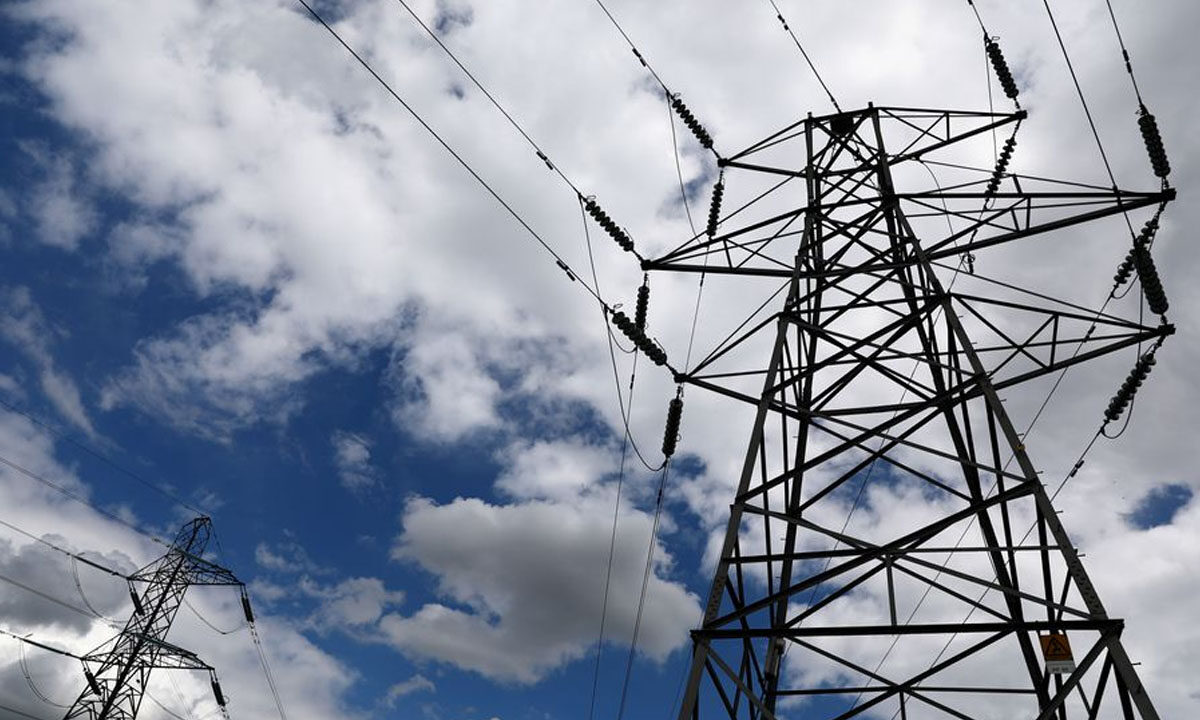
Electricity generation drops as Nigerians face fresh blackout fears
Three years after President Bola Ahmed Tinubu promised to fix Nigeria’s electricity crisis, millions of Nigerians are still battling unstable power supply, repeated national grid collapses, soaring electricity tariffs, and worsening blackouts.
Fresh concerns emerged on Thursday after electricity generation across the country dropped sharply to 3,527.76 megawatts, according to data from the Nigerian Independent System Operator (NISO). The figure represents a decline of 877.28MW from the 4,405.04MW recorded a day earlier, raising fears of prolonged outages for homes and businesses nationwide.
The latest drop comes amid growing criticism that despite several reforms introduced by the Tinubu administration, the country’s power sector has continued to struggle under deep structural, financial, and operational challenges.
Electricity Generation Drops Below Expectations
Nigeria’s power generation remains far below the estimated 30,000MW experts say the country requires to achieve stable electricity supply for over 200 million citizens.
Although the government recorded a peak generation of about 6,000MW in recent months, partly credited to the Siemens power project and the addition of a 700MW hydroelectric plant, supply has remained inconsistent.
Industry stakeholders say the recent decline in generation reflects persistent gas supply shortages, aging infrastructure, weak transmission systems, and mounting debt across the electricity value chain.
Energy economist Professor Wumi Iledare described the sector as “financially trapped,” warning that over N4 trillion in legacy debt continues to choke operations across generation companies (GenCos), gas suppliers, and electricity distribution companies (DisCos).
According to him, repeated government interventions and subsidies have failed to solve the sector’s underlying structural problems.
“Until Nigeria embraces cost-reflective tariffs with targeted subsidies and market discipline, the sector will remain insolvent in practice,” Iledare stated.
Tinubu’s Electricity Reforms Face Growing Scrutiny
One of President Tinubu’s earliest reforms after assuming office in 2023 was signing the Electricity Act 2023 into law.
The legislation decentralised the power sector by moving electricity from the exclusive legislative list to the concurrent list, allowing states to independently generate, transmit, and distribute electricity.
The reform was initially celebrated as a major breakthrough that could open the sector to competition and reduce the dominance of existing DisCos.
However, three years later, only 15 states have domesticated the law, while disputes between state regulators and electricity distribution companies continue to create uncertainty in the market.
Analysts say the reforms have produced limited impact on ordinary Nigerians who still experience poor supply despite higher tariffs.
READ ALSO
Tinubu focuses on economy and reforms in third anniversary addresses amid security concerns
Rising Tariffs, Limited Power Supply
The introduction of Band A electricity tariffs in 2024 remains one of the most controversial aspects of the current administration’s power reforms.
The government removed electricity subsidies for Band A consumers, customers expected to receive between 20 and 24 hours of daily power supply, leading to a sharp increase in electricity costs.
Authorities defended the move as necessary to reduce subsidy burdens and improve sector financing.
However, many consumers complain they are paying significantly more without receiving the promised hours of electricity.
The Nigerian Electricity Regulatory Commission (NERC) has downgraded some customers after DisCos failed to meet supply obligations, but critics argue refunds and stricter penalties should be implemented instead.
Businesses, manufacturers, and households continue to rely heavily on generators and alternative energy sources due to unreliable grid supply.
National Grid Collapses Continue to Hurt Consumers
Nigeria’s fragile national grid remains one of the biggest challenges in the power sector.
The grid suffered multiple collapses in 2024 and several more incidents in 2025 and 2026, repeatedly plunging major cities into darkness.
One of the worst incidents left 17 northern states without electricity for nearly two weeks after bandits attacked the Shiroro-Mando transmission line.
Vandalism, sabotage, ageing infrastructure, and poor maintenance have continued to weaken transmission networks across the country.
Experts warn that unless the government aggressively tackles infrastructure decay and governance failures, electricity supply may continue deteriorating despite ongoing reforms.
Metering Crisis Persists Across Nigeria
The Federal Government also announced a N700 billion Presidential Metering Initiative aimed at reducing estimated billing by supplying two million electricity meters.
However, implementation has been slow, leaving more than six million customers unmetered.
Analysts say estimated billing continues to damage public confidence in the electricity sector, with many consumers accusing DisCos of exploiting customers through inflated bills.
While some meters under the World Bank-backed Distribution Sector Recovery Programme are currently being distributed, experts argue that progress remains too slow to significantly address the metering gap.
Experts Demand Structural Changes
Power sector experts insist that Nigeria’s electricity challenges cannot be solved through policy announcements alone.
Professor Dayo Ayoade of the University of Jos noted that governance failures remain the biggest obstacle to stable electricity supply.
According to him, reforms, new laws, and additional agencies will achieve little unless the government addresses corruption, weak regulation, poor planning, and accountability issues within the sector.
Despite billions spent on reforms over the years, Nigerians continue to face unreliable electricity, rising costs, and economic losses linked to poor power supply.
With public frustration mounting, pressure is increasing on the Tinubu administration to deliver visible improvements before the end of its first term.
FAQ: Nigeria Electricity Generation and Tinubu’s Power Reforms
Why did electricity generation drop in Nigeria?
Electricity generation dropped mainly because of gas supply shortages, ageing transmission infrastructure, poor maintenance, debt owed to GenCos and gas suppliers, and repeated grid instability.
How much electricity does Nigeria currently generate?
Nigeria’s electricity generation recently dropped to about 3,527MW, although peak generation in recent months reached around 6,000MW.
What is the Electricity Act 2023?
The Electricity Act 2023 is a law signed by President Tinubu that decentralised Nigeria’s power sector, allowing states to independently generate, transmit, and distribute electricity.
Has Tinubu improved electricity supply in Nigeria?
The government has introduced reforms and infrastructure projects, but many Nigerians say electricity supply remains unstable despite rising tariffs and policy changes.
Why does Nigeria’s national grid collapse frequently?
Frequent grid collapses are linked to outdated infrastructure, vandalism, poor maintenance, transmission failures, and operational weaknesses in the power sector.
What is Band A electricity tariff?
Band A refers to customers expected to receive 20 to 24 hours of daily electricity supply. These customers pay significantly higher tariffs following subsidy removal.
Why are electricity bills increasing in Nigeria?
Electricity bills increased after the government reduced subsidies and introduced cost-reflective tariffs to address funding gaps in the power sector.
Why are many Nigerians still unmetered?
Slow implementation of metering programmes, funding challenges, and inefficiencies among DisCos have left millions of electricity consumers without prepaid meters.
What are the biggest problems affecting Nigeria’s power sector?
Major problems include inadequate generation capacity, poor transmission infrastructure, debt crisis, electricity theft, vandalism, weak regulation, and governance failures.
Will electricity supply improve in Nigeria soon?
Experts say improvements are possible if the government addresses infrastructure deficits, governance issues, debt repayment, metering gaps, and market reforms effectively.