

Nepal’s $20m flood allocation is not yet cash — and covers less than 1% of recovery needs

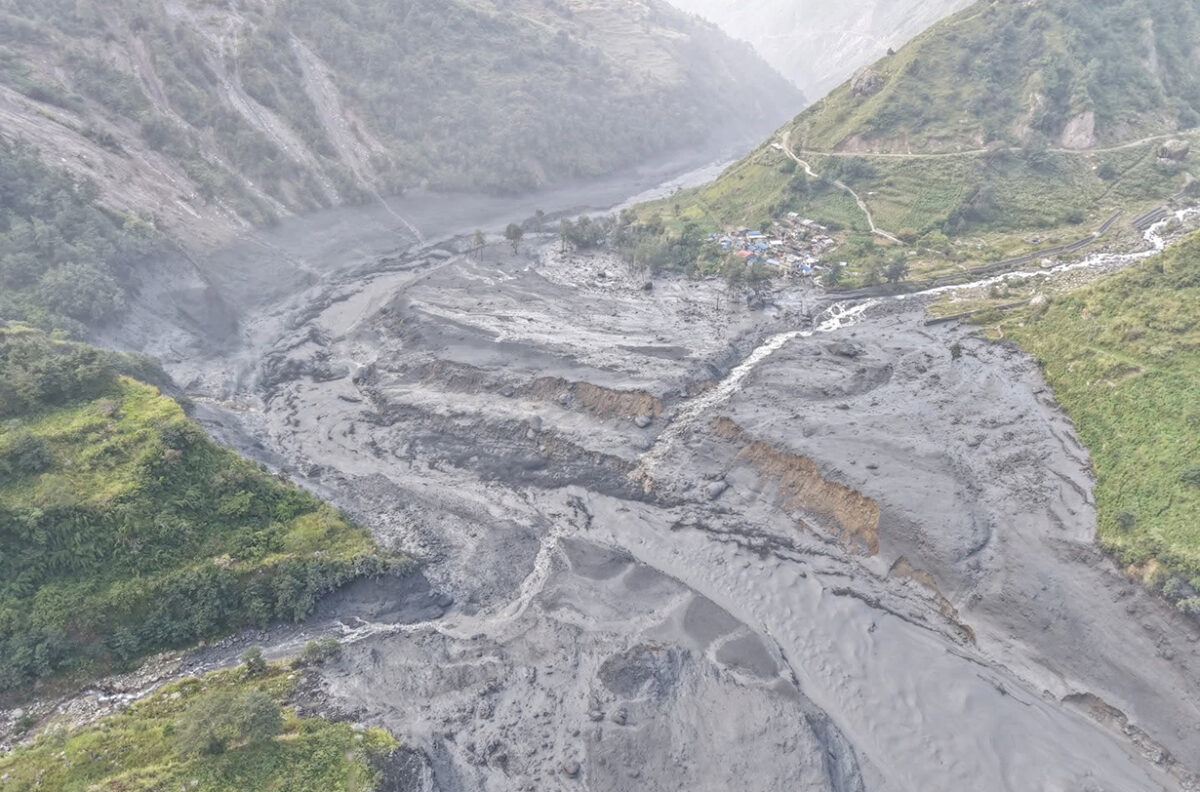
A flood-affected site on the Budhi Gandaki River. Photo: National Disaster Risk Reduction and Management Authority, 11 October 2026, via Wikimedia Commons; public domain in Nepal.
Nepal’s provisional $20 million allocation from the UN climate loss-and-damage fund is a significant first step after August’s deadly floods. But it is not money already in the government’s account: Nepal still has to submit a project proposal and pass the fund’s approval process, while the country’s estimated recovery bill is about $4.7 billion.
What the fund has actually decided
The Fund for Responding to Loss and Damage (FRLD) says its board has provisionally set aside $21.6 million for Nepal. That total includes a potential $20 million grant and $1.6 million for oversight and administration. The fund describes the decision as an emergency allocation made outside its ordinary funding cycle.
The distinction matters. The board has reserved a possible allocation; it has not announced that the full grant has been disbursed. Nepal must prepare a detailed project proposal, which will be assessed under the fund’s procedures before a grant agreement and transfer can follow. The fund’s announcement says the set-aside is provisional.
A small share of a much larger recovery bill
Associated Press reports that Nepal’s estimated reconstruction and recovery needs are around $4.7 billion. A $20 million grant would equal roughly 0.43% of that amount, before accounting for the time needed to turn the provisional allocation into funded projects. The figure is an estimate of the wider need, not a claim that every cost can or should be met by this one fund.
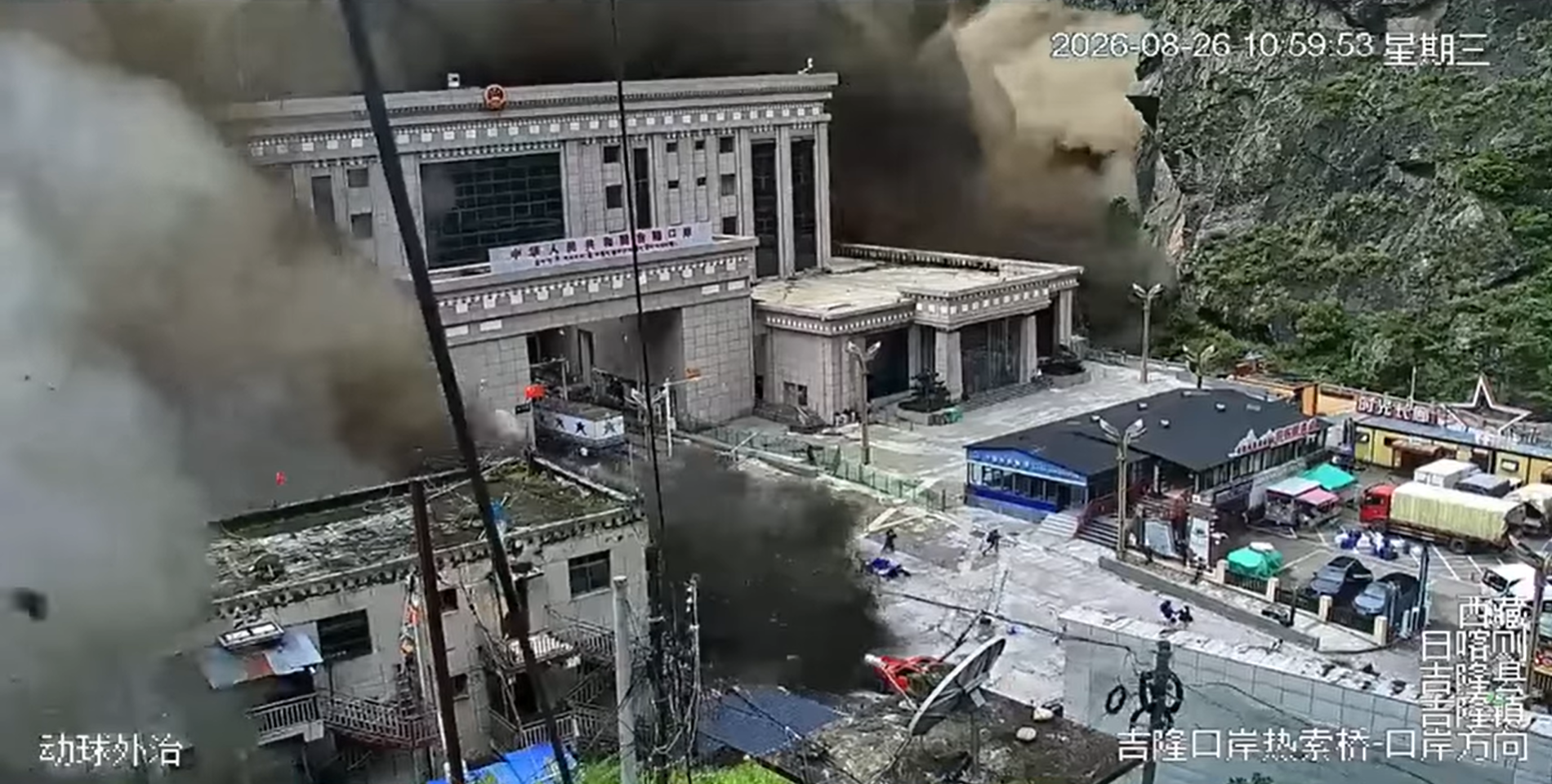
The scale of the damage helps explain why the allocation matters even if it cannot close the gap. Nepal’s government has reported extensive losses after floods and landslides in late August, while humanitarian updates from the UN in Nepal document continuing impacts in affected areas. The Associated Press account gives the broader recovery estimate and describes the fund decision.

Why this first emergency route will be tested
The FRLD was created under the UN climate process to help vulnerable developing countries respond to climate-related loss and damage. Nepal’s set-aside is being handled through an emergency route outside the fund’s regular application window. That gives the decision symbolic weight, but the practical test is whether the process can move from a board reservation to approved projects and assistance on the ground.
The fund says Nepal must submit its proposal before the allocation can proceed. Until that document is reviewed and approved, there is no confirmed timetable for when communities or reconstruction projects will receive money. The board is due to meet again in December, but that does not by itself guarantee that Nepal’s grant will be paid by then.
What readers should watch next
The next milestones are Nepal’s proposal, the fund’s technical and board review, and the eventual terms for distributing any approved grant. Those details should clarify which recovery needs qualify, who will implement the projects and how quickly funds can reach affected areas.
For background on the disaster’s geography and how the flash floods developed, see CrispNG’s earlier explainer on the Nepal floods. The new allocation offers a route to support recovery, but its value will depend on how quickly the provisional decision becomes an approved and usable grant.
Sources: Fund for Responding to Loss and Damage announcement; Associated Press; UN in Nepal situation reports; UNFCCC fund background.