

Kula Boat Capsize: Five Bodies Recovered, but the Final Toll Remains Unclear

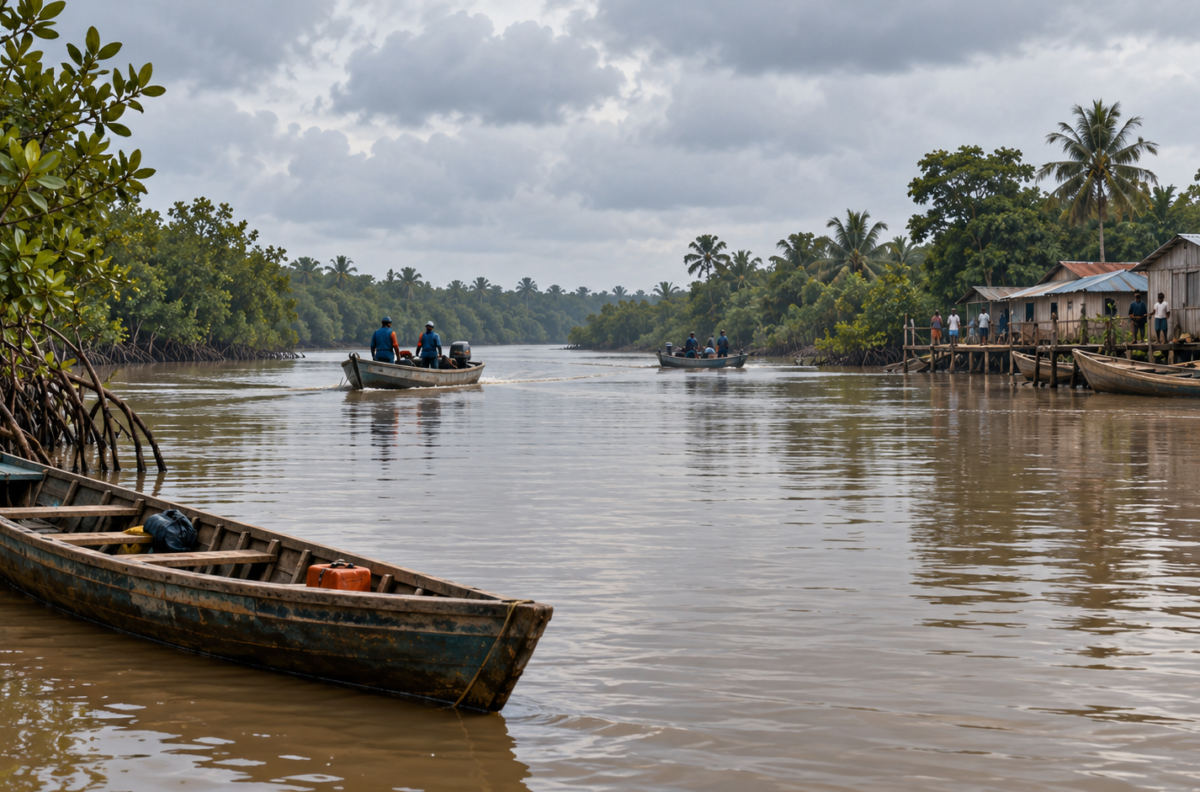
Illustration: search-and-rescue work continued after five bodies were reported recovered.
Search teams recovered at least five bodies after a boat capsized in the Robertkiri waterways near Kula, Rivers State, according to a Punch report published on October 23. Police are still investigating the exact number of casualties and how the incident happened, so the five recoveries do not settle the final toll.
Community estimates of people feared dead, missing and rescued have varied across reports. Without an official list matching names to recovered bodies, survivors and people still being sought, readers should not combine those figures or treat any estimate as final.
What is known about the Kula boat capsize
The incident happened in Kula Kingdom, Akuku-Toru Local Government Area, during a dispute surrounding the movement of an oil-storage vessel. A community leader told Punch that searchers recovered five bodies on Thursday, October 22. The report said the search continued.
The Rivers State Police Command told The Guardian on October 22 that it was investigating the incident to establish the exact number of casualties and the circumstances. Police had not confirmed a final toll in that statement.
Why five recovered bodies do not settle the death toll
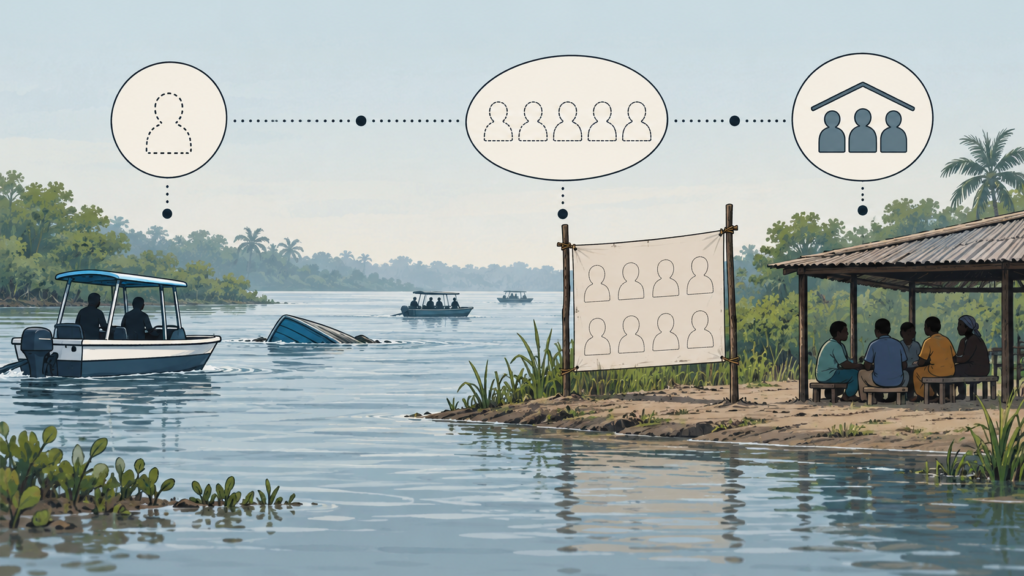
“Recovered” describes people whose bodies searchers have found. “Missing” describes people whose whereabouts remain unknown. “Feared dead” is an estimate or belief, while “rescued” refers to people found alive. These categories differ, and early reports may change as search teams learn more.
TheCable reported that community leaders earlier said they had rescued eight people and could not locate seven others. Other reports attributed an estimate of about 10 deaths to community members. The later recovery of five bodies does not by itself confirm or disprove every earlier estimate. Public reports do not include a verified passenger list with names matched to survivors and recovered people. It would therefore mislead readers to add the figures together or describe a community estimate as the police-confirmed toll.
The vessel dispute is also under investigation
Community representatives said residents opposed the oil vessel’s removal and cited grievances that included alleged pollution and compensation issues. Those remain allegations, not findings from the police investigation.
The Guardian reported that Max Shipping Services said it owned the vessel and had hired Menal Technical Services to operate it. The company denied responsibility for the incident and called for an investigation. Its statement does not identify who controlled each boat during the operation, and investigators have not publicly established that.
What investigators still need to establish
A reliable account must identify everyone on the community boat, distinguish survivors from people still missing, confirm the identities of those searchers recovered, and explain the sequence of events on the water. Investigators also need to identify the vessels and their operators. Until authorities release those findings, reporters should attribute claims about the toll and responsibility to the people making them.
The recovery of five bodies gives families a significant update, but it does not end the search or the investigation. The next meaningful update should provide a police-verified casualty list and an evidence-based account of how the capsize occurred.
Sources
- Punch: Five bodies recovered as search continues, October 23, 2026
- The Guardian: Rivers police say the casualty count and circumstances remain under investigation
- TheCable: Earlier community account of the search, missing people and survivors