
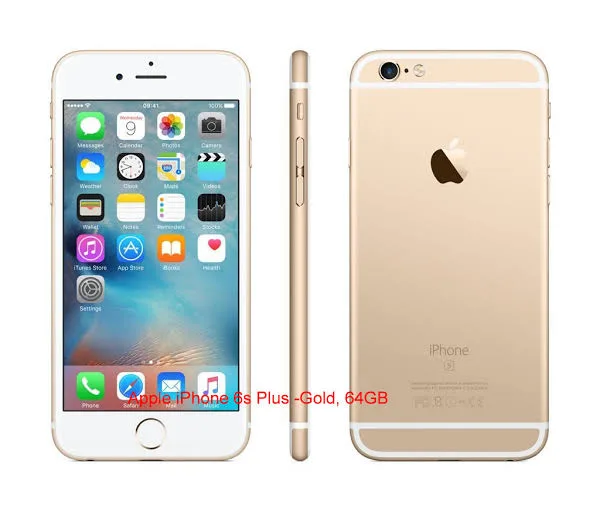
Buying a fairly used iPhone, Samsung, Tecno or Google Pixel in Nigeria requires more than checking the battery, screen and camera. Buyers should also confirm that the handset meets the Nigerian Communications Commission’s device verification requirements before paying.
The Nigerian Communications Commission (NCC) has introduced a Device Checker system to strengthen enforcement of its Type Approval requirements for mobile phones and other SIM-enabled devices.
The system helps identify phone models that lack the required approval and individual devices that have not completed the necessary verification.
Under the framework, devices confirmed to be non-compliant may lose access to Nigerian mobile networks.
The NCC says the system took effect on October 7, 2026. Buyers of second-hand phones should therefore check the handset’s status before completing a purchase.
Here are five important checks to make.
1. Confirm that the phone model has NCC Type Approval
Start by checking whether the exact phone model has received NCC Type Approval.
This approval confirms that a device model meets the technical standards required for use in Nigeria.
A popular brand name does not automatically mean every model or international variant has approval.
For instance, two Samsung or iPhone models may look similar but carry different model numbers.
Buyers should ask sellers for the exact model number and check it against the NCC’s Type Approval information.
2. Check the individual phone’s IMEI
Confirming the model’s approval is not the only step. Buyers should also check the individual handset they intend to purchase.
The International Mobile Equipment Identity (IMEI) is a unique 15-digit number assigned to a mobile device.
To find it, dial *#06# on the phone. The number may also appear in the device settings and on its original packaging.
Some phones support multiple SIM connections and may display more than one IMEI. Buyers should follow the Device Checker instructions for the handset they want to verify.
3. Use the NCC Device Checker before making payment
The NCC provides a USSD service and an online portal for checking devices.
Buyers can dial *315# and follow the prompts. They can also visit the official NCC Device Checker portal.
The service checks whether the model has Type Approval and whether the particular handset is verified for Nigerian mobile networks.
If the result is unclear or shows that the device is not verified, ask the seller to resolve the issue before paying.
The NCC says consumers can contact its support channels or their network providers for assistance.
Read also: NCC Phone Approval: How to Check Your Phone Before Nigeria’s 30-Day Network Disconnection Warning
4. Do not rely only on a successful network connection
A phone connecting to MTN, Airtel or Glo during a shop demonstration does not replace an official verification check.
The NCC says devices already connected to Nigerian networks before October 7, 2026, were automatically verified. However, buyers should still check a second-hand phone’s status before purchasing it.
This is particularly important when a seller cannot explain the handset’s origin or verification history.
A working SIM connection alone does not establish that every regulatory requirement has been met.
5. Inspect the phone and watch for suspicious IMEI changes
An NCC verification result does not replace a physical inspection.
Buyers should examine the screen, battery, cameras, charging port, speakers and other components before paying.
They should also ask about previous repairs and check whether the IMEI displayed by the phone matches the available device records.
The NCC warns that cloned devices can use another handset’s IMEI, making identification difficult. Repairs should follow the manufacturer’s authorised procedures.
Read also: Buying a Phone Online in Nigeria? Check Warranty, IMEI and Returns
What happens if a phone fails the NCC check?
An unsuccessful verification result does not automatically mean a phone is counterfeit or stolen.
The buyer should ask the seller for clarification and avoid completing the purchase until the issue is resolved.
The NCC says devices confirmed not to meet applicable requirements may be denied access to Nigerian mobile networks.
The framework also covers other SIM-enabled devices, including cellular tablets, POS terminals, modems and routers.
For anyone buying a fairly used phone, checking its regulatory status before payment can help prevent unexpected network restrictions and financial losses.