

Inside the Minneapolis high-rise shooting: The warning signs, fear and questions left behind

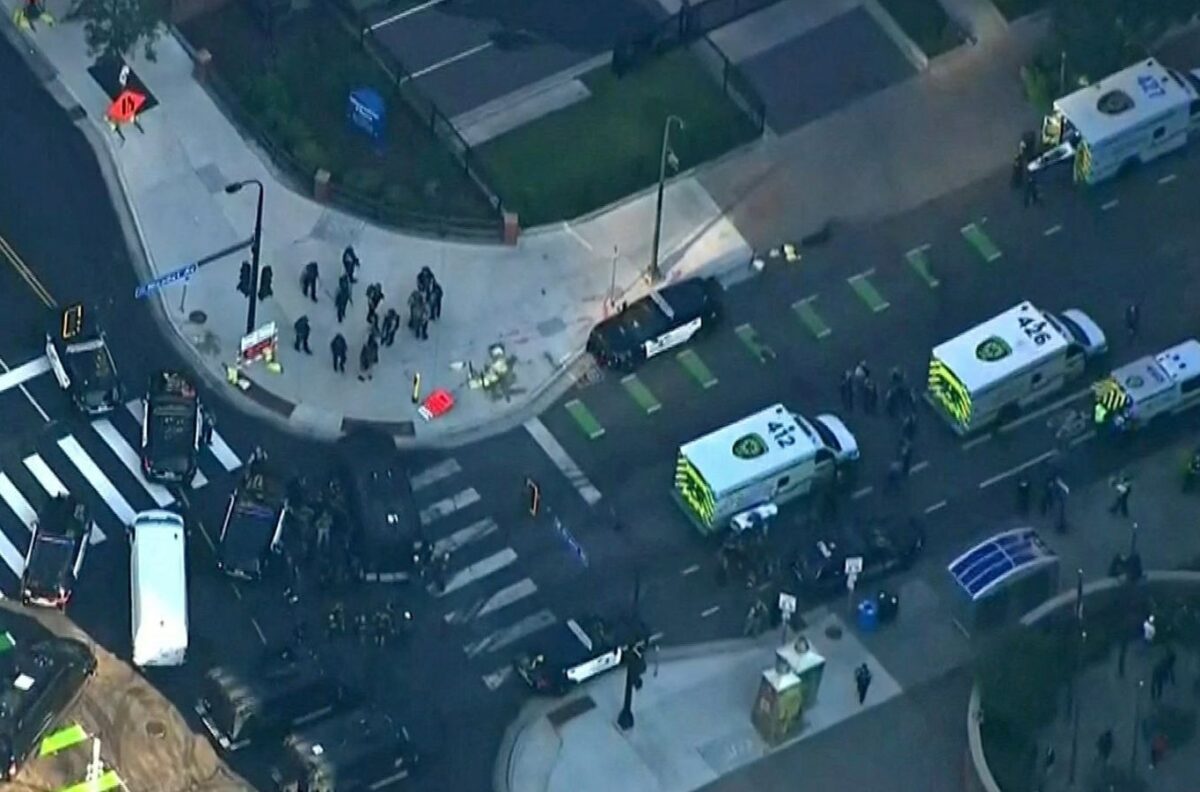
A large police presence at the scene of the shooting. Pic: KSTP via Reuters
A deadly shooting inside a downtown Minneapolis apartment building has left residents, investigators and city officials confronting difficult questions about what happened, and whether warning signs in the hours before the violence could have changed the outcome.
The shooting at the Loring Tower apartment building near East Grant Street unfolded Wednesday afternoon, leaving civilians and police officers wounded and multiple people dead. Authorities confirmed that the suspected shooter was also dead, with preliminary information indicating the death may have been self-inflicted.
As investigators piece together the timeline, attention has increasingly turned to reports that police had previously been called to the same apartment complex and that the suspected shooter had reportedly been involved in a disturbance earlier in the day while facing eviction.
The Minneapolis shooting has become more than a story about a single burst of violence. It has raised broader questions about warning signs, housing disputes, emergency response and how quickly a crisis inside a residential building can escalate.
How the Minneapolis High-Rise Shooting Unfolded
Minneapolis police were called to the Loring Tower apartment building at about 4:36 p.m. local time following reports that someone had been shot.
According to authorities, the first officers entered the building within minutes and encountered multiple victims. Officers could hear gunfire coming from higher levels of the building and moved toward the sound while attempting to locate and assist those who had been injured.
The situation became increasingly dangerous as officers reached an upper floor where visibility was severely limited by a haze. Officials said it was not immediately clear whether the haze was caused by smoke or another substance.
Two officers were shot during the response, while another officer was injured. Reports later indicated that several officers experienced adverse effects after exposure to the unknown substance.
The injured officers were expected to recover, according to officials.
Meanwhile, civilians were found suffering from gunshot wounds. At least one person died at the apartment building, while another died after being transported to hospital.
The suspected shooter was later found dead. Authorities had not publicly released a final determination on the exact circumstances surrounding the suspect’s death at the time of the initial reports.
Reports of Earlier Warning Signs Draw Attention
One of the most significant questions emerging from the Minneapolis high-rise shooting concerns events earlier in the day.
According to reporting cited by local media, Minneapolis police had been called to the apartment complex earlier Wednesday over a disturbance involving the same individual believed to be connected to the shooting.
A source also told local media that the individual had been evicted from the apartment that day.
Those details are likely to form an important part of the investigation. Authorities will need to establish the sequence of events surrounding the earlier disturbance, the eviction process and whether there were identifiable threats or warning signs before the shooting began.
Reports also indicated that the suspected shooter had allegedly threatened other residents with a gun before the deadly incident. Investigators are expected to examine those allegations alongside previous police contacts and any other complaints involving the individual.
The existence of earlier calls to police does not automatically establish that the shooting could have been prevented. Still, the timeline may become central to public scrutiny as investigators determine what authorities knew and when they knew it.
READ ALSO
Virginia State shooting: 5 shot outside dorms as Campus goes into lockdown
Fear Spreads Through the Minneapolis Apartment Building
For residents inside the high-rise, the shooting turned an ordinary afternoon into a desperate search for safety.
CNN reported that residents fled through hallways and hid inside apartments as gunfire echoed through the building. Video from the scene showed a major law enforcement response, with police vehicles, ambulances and armed officers surrounding the area.
One witness told local media that part of the shooting occurred near or inside an elevator, though authorities had not publicly confirmed a full account of where every shooting took place.
The scale and complexity of the police response reflected the challenges of an active shooting inside a high-rise residential building. Officers were required to move through hallways and between apartments while dealing with limited visibility, ongoing gunfire and uncertainty about the shooter’s location.
Minneapolis Police Interim Chief Bill Peterson praised officers for entering the dangerous environment and attempting to reach victims.
Mayor Jacob Frey also said the officers’ actions prevented an even higher death toll.
Minneapolis Shooting Raises Questions About Police Response
The Minneapolis shooting investigation is also expected to examine the emergency response itself.
Police arrived at the building shortly after the initial report of gunfire, but the situation inside quickly became more complex. Officers encountered wounded people in the building and followed gunfire toward upper floors.
The haze reported inside the high-rise added another layer of danger. Officials said the source of the substance was not immediately known, and several officers experienced adverse effects.
Investigators will likely determine whether the haze was connected to the shooting, whether it was intentionally created and what role it played in limiting visibility for responding officers.
Authorities are also expected to reconstruct the exchange of gunfire between police and the shooter and establish the precise timeline leading to the suspect’s death.
Why the Minneapolis High-Rise Shooting Could Leave Lasting Questions
The violence comes as Minneapolis continues to grapple with the emotional impact of previous mass shootings in the wider community.
For residents of the Loring Tower building, the immediate focus will be recovery and understanding what happened inside a place that was supposed to be home.
Yet the larger questions may take longer to answer.
Were there warning signs that required further intervention? What happened during the earlier police call? Was the shooting connected to the reported eviction? Were threats made before the attack, and if so, who was aware of them?
Those questions remain under investigation.
What is already clear is that the shooting transformed a residential high-rise into the scene of a complex emergency involving multiple law enforcement agencies, injured officers and civilians caught in a rapidly escalating crisis.
As investigators continue examining the evidence, the Minneapolis high-rise shooting may ultimately become a case study in the difficult intersection of housing instability, alleged threats, law enforcement intervention and the unpredictable speed at which violence can erupt.
For now, authorities are still working to establish a complete account of what happened, and the answers to the questions surrounding the hours before the shooting may prove just as important as the events that unfolded afterward.
Frequently Asked Questions About the Minneapolis High-Rise Shooting
What happened in the Minneapolis high-rise shooting?
A shooting occurred at the Loring Tower apartment building in downtown Minneapolis on September 2, 2026. Multiple civilians and police officers were injured, and several people were reported dead, including the suspected shooter.
Where did the Minneapolis shooting happen?
The shooting occurred at the Loring Tower apartment building near East Grant Street in downtown Minneapolis, close to Nicollet Avenue and the Minneapolis Convention Center.
How many people were killed in the Minneapolis shooting?
Initial reports differed as the situation developed. Local reporting said three people were dead, including the suspected shooter, while authorities confirmed that at least two civilians had died. Officials continued investigating the full circumstances surrounding the deaths.
Were Minneapolis police officers shot?
Yes. Two Minneapolis police officers were shot while responding to the incident. Another officer was injured, and officials said the injured officers were expected to recover.
What happened to the suspected Minneapolis shooter?
The suspected shooter was found dead. Preliminary information reported that the death may have been caused by a self-inflicted gunshot wound, but investigators had not released a final determination during the initial stages of the investigation.
Was the suspected shooter known to police?
Minneapolis Police Interim Chief Bill Peterson said police were familiar with the individual believed to be involved in the shooting.
Was the Minneapolis shooter being evicted?
Local reporting indicated that the suspected shooter had been evicted from the apartment on the day of the shooting. Authorities are expected to investigate whether the reported eviction was connected to the violence.
Were there warning signs before the Minneapolis high-rise shooting?
Reports indicated police had been called to the apartment complex earlier on the same day regarding a disturbance involving the individual believed to be connected to the shooting. Investigators are expected to examine whether earlier threats or incidents were connected to the attack.
What was the haze reported inside the Minneapolis apartment building?
Officers responding to the shooting encountered a haze on an upper floor that significantly reduced visibility. Authorities said they did not initially know whether it was smoke or another substance. Several officers reportedly experienced adverse effects after exposure.
Is the Minneapolis shooting investigation still ongoing?
Yes. Authorities including Minneapolis police and other law enforcement agencies were investigating the shooting. Key issues include the timeline of events, the earlier disturbance, the reported eviction, the source of the haze and the circumstances surrounding the suspect’s death.