

Lindsey Graham breaks with Trump in stunning Senate clash as he sounds alarm on Iran and Intelligence fight

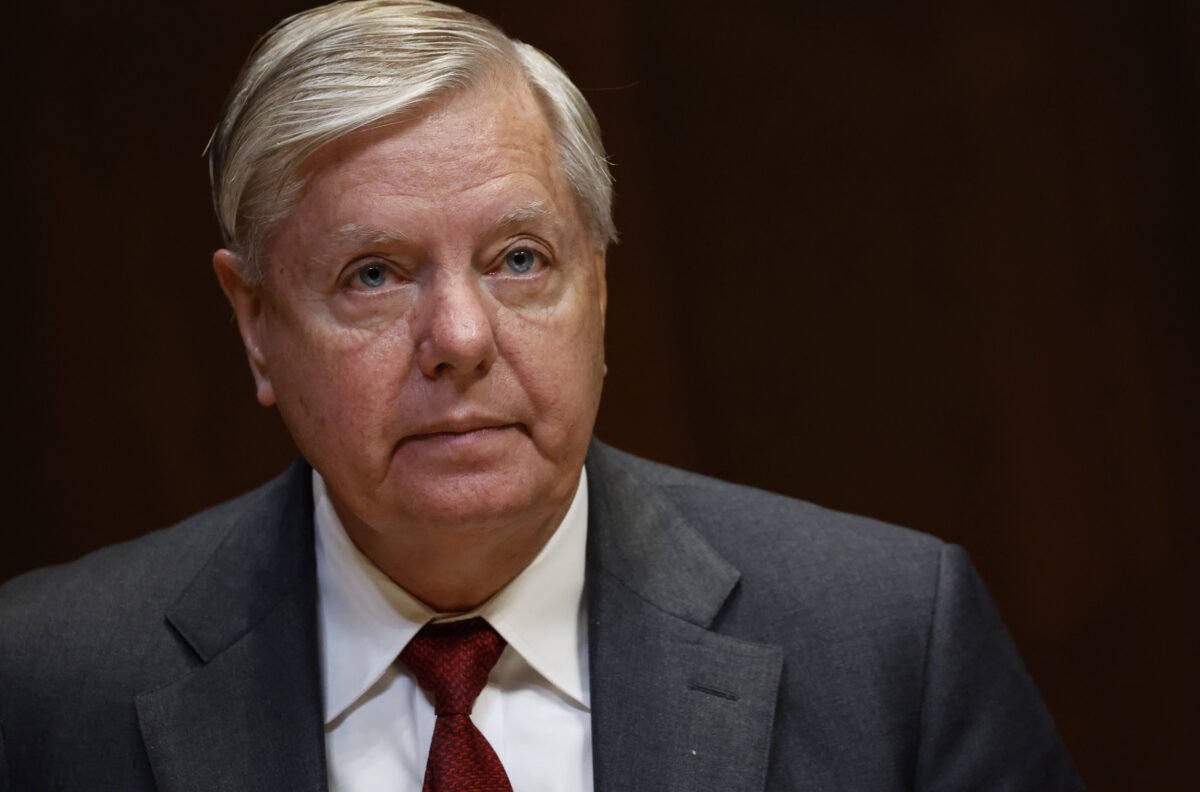
Lindsey Graham. Image Credit: Ting Shen – Pool/Getty Images/Getty Images
A rare public disagreement between President Donald Trump and one of his closest Senate allies is drawing fresh attention in Washington, as Senator Lindsey Graham signaled opposition to a key administration decision while also delivering a stark assessment of ongoing diplomatic efforts with Iran.
The South Carolina Republican, long regarded as one of Trump’s most reliable supporters on Capitol Hill, broke ranks over the president’s support for Bill Pulte as Director of National Intelligence (DNI). At the same time, Graham warned that diplomatic talks with Iran are unlikely to succeed, suggesting the United States may eventually take a far more aggressive approach in the Middle East.
The developments underscore growing tensions within the Republican Party as lawmakers navigate national security concerns, intelligence oversight, and foreign policy priorities ahead of critical legislative battles.
Lindsey Graham Pushes Back Against Trump’s DNI Choice
Speaking on CBS’s “Face the Nation,” Graham made clear that he prefers former federal prosecutor Jay Clayton to lead the nation’s intelligence community rather than Trump’s preferred nominee, Bill Pulte.
Graham argued that Clayton was the candidate originally positioned to receive bipartisan support in the Senate and suggested the White House should return to that plan.
“I think what we had in place should happen. Jay Clayton should be the new DNI,” Graham said, avoiding direct endorsement of Pulte’s nomination.
The comments represent one of the most significant public disagreements between Graham and Trump in recent years. The senator has frequently defended Trump throughout his political career and has remained one of the president’s strongest allies since returning to the Senate.
Why Bill Pulte’s Nomination Has Become Controversial
Pulte’s nomination has sparked debate among lawmakers from both parties.
Critics argue that Pulte lacks a traditional intelligence or national security background, raising questions about his qualifications to oversee America’s intelligence agencies.
The nomination has also complicated efforts to reauthorize the Foreign Intelligence Surveillance Act (FISA), a key national security law used by intelligence agencies to monitor foreign threats.
Members of both parties have expressed concern that the ongoing dispute could delay surveillance authorities at a time when millions of international visitors are attending events connected to the 2026 FIFA World Cup in the United States.
Graham suggested that Trump’s decision to withdraw support for Clayton unnecessarily disrupted what had previously been a bipartisan path toward resolving the issue.
FISA Reauthorization Becomes New Political Battleground
The debate surrounding Pulte is closely tied to the future of FISA.
Trump has reportedly linked support for FISA renewal to passage of voter identification legislation, creating additional hurdles in Congress.
Senate Republicans and Democrats on intelligence committees have emphasized the importance of maintaining surveillance capabilities amid heightened global security concerns.
Graham accused Democrats of risking national security by resisting FISA reauthorization but also suggested that the current nomination dispute has made reaching an agreement significantly more difficult.
The standoff highlights broader frustrations among Senate Republicans who have increasingly found themselves balancing support for Trump’s agenda with concerns about legislative practicality.
READ ALSO
Graham Issues Stark Warning on Iran Diplomacy
While breaking with Trump on intelligence policy, Graham largely aligned with the administration’s broader foreign policy goals regarding Iran.
Appearing on CBS News, the senator expressed skepticism that current diplomatic negotiations between Washington and Tehran would produce a lasting agreement.
“Let’s try a diplomatic solution. I think it’s going to fail,” Graham said.
His remarks came as U.S. officials continued discussions with Iranian representatives following a recently signed memorandum of understanding aimed at reducing tensions in the region.
The talks face significant challenges amid renewed instability involving Iran, Israel, and regional allies.
Graham Predicts Tough U.S. Response if Talks Collapse
Graham suggested that if negotiations fail, the United States could adopt a far more forceful strategy in the strategically vital Strait of Hormuz.
The waterway remains one of the world’s most important energy shipping routes, with a significant portion of global oil exports passing through it.
The senator indicated that Trump would likely pursue measures designed to guarantee freedom of navigation and counter any future threats from Iran.
His comments reflect the hawkish approach Graham has long championed regarding Tehran, although he acknowledged that diplomacy should first be given an opportunity to succeed.
Growing Signs of Republican Friction
The disagreement over the DNI nomination comes amid broader signs of tension between Trump and Senate Republicans.
Several GOP senators have recently challenged aspects of the administration’s legislative agenda, including spending proposals and foreign policy initiatives.
While Graham remains supportive of many Trump priorities, his public comments suggest that Senate Republicans may be increasingly willing to challenge the White House on issues they view as critical to national security and institutional stability.
Political analysts say the dispute could become an early test of how much influence Senate Republicans are willing to exercise independently as major legislative battles unfold in the months ahead.
What Comes Next?
The Senate’s handling of the DNI nomination, the future of FISA reauthorization, and ongoing Iran negotiations are likely to remain central issues in Washington over the coming weeks.
For now, Graham’s comments signal that even Trump’s closest allies may be prepared to diverge from the president when national security concerns are at stake.
Whether the disagreement evolves into a broader Republican divide remains uncertain, but it has already created one of the most closely watched political stories in Washington.
FAQ
Why is Lindsey Graham breaking with Donald Trump?
Lindsey Graham publicly disagreed with President Trump over the nomination of Bill Pulte as Director of National Intelligence. Graham instead supports Jay Clayton for the position and believes Clayton has broader bipartisan backing.
What did Lindsey Graham say about Bill Pulte?
Graham avoided directly endorsing Pulte and stated that Jay Clayton should become the next Director of National Intelligence, signaling opposition to Trump’s preferred nominee.
Who is Bill Pulte?
Bill Pulte is a Trump ally who previously served at the Federal Housing Finance Agency. His nomination for Director of National Intelligence has generated controversy due to his limited intelligence-community experience.
Who is Jay Clayton?
Jay Clayton is a former federal prosecutor and financial regulator who was previously expected to receive bipartisan support for the intelligence position before Trump shifted support toward Pulte.
What is the Director of National Intelligence?
The Director of National Intelligence (DNI) oversees the U.S. intelligence community, coordinates intelligence activities, and advises the president on national security matters.
Why is the DNI nomination important?
The position plays a critical role in national security, intelligence gathering, counterterrorism operations, and foreign threat assessments.
What is FISA and why is it controversial?
The Foreign Intelligence Surveillance Act (FISA) allows U.S. intelligence agencies to conduct surveillance related to foreign threats. Critics raise privacy concerns, while supporters argue it is essential for national security.
What did Lindsey Graham say about Iran?
Graham said he supports trying diplomacy with Iran but believes negotiations are likely to fail. He suggested the U.S. may adopt stronger measures if talks collapse.
What is the Strait of Hormuz?
The Strait of Hormuz is a strategic shipping route connecting the Persian Gulf to global markets. A significant percentage of the world’s oil exports pass through the waterway.
Why is the Strait of Hormuz important to U.S. policy?
Any disruption to shipping in the Strait of Hormuz can affect global energy prices, international trade, and regional security.
Is Lindsey Graham still an ally of Donald Trump?
Yes. Despite disagreeing on the intelligence nomination, Graham remains one of Trump’s closest allies in the Senate and continues to support many administration policies.
Are Senate Republicans turning against Trump?
There is no broad revolt, but several Republican senators have recently challenged specific White House policies, particularly on national security, spending, and legislative strategy.
How could the disagreement affect Trump’s agenda?
If more Senate Republicans oppose White House nominations or legislative demands, it could make it harder for the administration to secure confirmations and pass key policies.
What happens next with the DNI nomination?
The Senate will continue evaluating the nomination process, and lawmakers will decide whether to support Trump’s preferred candidate or push for an alternative.
Why is this story significant?
The dispute highlights a rare public disagreement between Trump and one of his strongest Senate allies, signaling potential shifts in Republican Party dynamics and national security policymaking.