

ISS emergency scare: NASA ordered astronauts into SpaceX dragon as Russia’s risky repair plan sparked tension in orbit

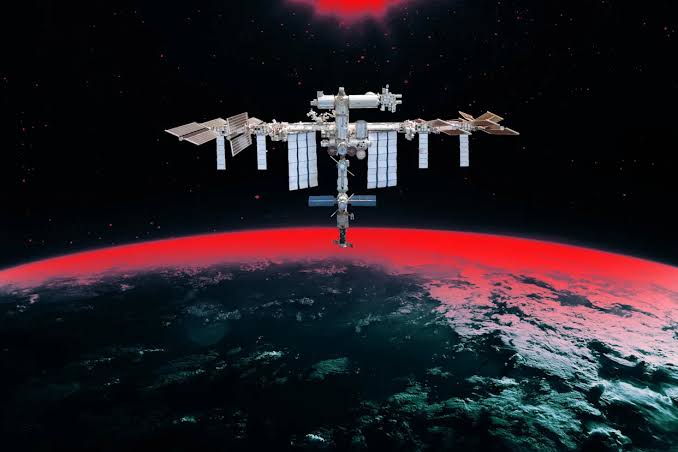
ISS Leak Dispute Sparks NASA-Russia Tension. Image Credit: Illustration by Tag Hartman-Simkins / Futurism. Source: Shutterstock
The International Space Station (ISS) experienced one of its most tense moments in recent years after a disagreement between NASA and Russia’s space agency, Roscosmos, over plans to repair a long-troubled leaking module. The dispute reportedly became serious enough that NASA directed its astronauts to take refuge inside a docked SpaceX Crew Dragon spacecraft as a precaution against a possible depressurization event.
The incident has renewed concerns about the aging infrastructure of the ISS and highlighted growing challenges facing international cooperation aboard the orbiting laboratory as it approaches the end of its operational lifespan.
Why NASA Ordered Astronauts Into a SpaceX Dragon Capsule
According to reports, the tension centered on persistent cracks and air leaks in the Russian-built Zvezda service module, specifically within a transfer compartment known as the PrK module.
Russian officials planned an aggressive inspection and repair operation that reportedly involved drilling and cutting into parts of the module’s structure. NASA officials were said to be deeply concerned about the proposed procedures, fearing that the repair efforts could unintentionally trigger a structural failure or rapid depressurization.
As a precaution, NASA instructed astronauts aboard the station to enter the SpaceX Crew Dragon capsule, which serves as an emergency escape vehicle. The move underscored the seriousness of the situation and signaled significant concerns about the potential risks associated with the planned repair work.
Although the emergency measures were temporary, the decision highlighted how fragile the situation had become aboard the station.
The ISS Leak Problem That Refuses to Go Away
The air leak issue dates back to 2019 when engineers first detected a gradual loss of atmosphere aboard the International Space Station.
Investigations eventually traced the problem to the PrK transfer chamber attached to the Russian Zvezda module. Over the years, Russian crews have attempted multiple repairs using specialized sealants, and at times reported progress in stabilizing the leak.
However, new cracks reportedly emerged in 2026, bringing the total number of known structural cracks to around sixteen. This development intensified concerns among NASA engineers who worried that the aging structure could suffer more significant damage if subjected to additional stress.
The PrK module is particularly important because it connects the station to a docking port used by Russian Progress cargo spacecraft.
NASA and Roscosmos Reach a Compromise
After days of behind-the-scenes discussions and escalating concerns, Roscosmos reportedly agreed to abandon its controversial repair strategy.
Instead, Russian officials informed NASA that they would effectively decommission the affected PrK module by permanently sealing it off from regular crew access.
The decision means cosmonauts will no longer enter or routinely pressurize the compromised section. While the docking port can still support certain automated functions such as transferring fluids and propellants from cargo spacecraft, human access through the compartment will cease.
This compromise significantly reduces the risk of a sudden structural failure while allowing the station to continue operating.
READ ALSO
What Happens If Russia Permanently Closes the Leaky ISS Module?
Sealing the module is not a perfect solution, but experts say it is a practical one.
The Russian segment of the ISS has multiple docking ports, meaning crew and cargo operations can be redirected to alternative locations. Although losing one access route creates logistical challenges, mission planners believe operations can continue safely.
The docking port itself may still be used for fuel, oxygen, water, and propellant transfers because these systems operate through external plumbing rather than crew access tunnels.
The biggest long-term challenge involves station reboost maneuvers. Traditionally, Progress spacecraft docked at Zvezda’s rear port help raise the ISS orbit to counter atmospheric drag. Engineers may now need to rely more heavily on alternative methods, including capabilities demonstrated by specially modified SpaceX Cargo Dragon spacecraft.
Growing Concerns Over the Aging International Space Station
The latest incident highlights a broader reality: the International Space Station is entering its final years.
Many of its key components have been operating continuously for more than two decades. As systems age, maintenance becomes increasingly complex, and risks associated with structural wear naturally increase.
Despite these challenges, the ISS remains one of humanity’s most successful international scientific projects. NASA, Roscosmos, and other partners continue to conduct vital research in microgravity while preparing for future commercial space stations and deep-space missions.
For now, the agreement to seal the troubled PrK module appears to have prevented a potentially dangerous confrontation and reduced one of the station’s most persistent safety concerns.
What This Means for Future ISS Operations
The resolution offers temporary stability for the space station program, but it also serves as a reminder of the difficult decisions facing international partners as the ISS nears retirement.
With operations expected to continue through the end of the decade, maintaining safety while balancing aging hardware, international cooperation, and limited resources will remain a top priority.
The recent standoff between NASA and Roscosmos demonstrates that even after more than two decades of collaboration in orbit, managing the world’s largest space laboratory still requires careful coordination and constant vigilance.
FAQ
What happened on the International Space Station in June 2026?
NASA temporarily directed astronauts to shelter inside a docked SpaceX Crew Dragon spacecraft during a dispute with Roscosmos over proposed repairs to a leaking section of the Russian Zvezda module.
Why did NASA move astronauts into the Dragon capsule?
NASA was concerned that repair work involving drilling and cutting on the leaking module could potentially cause structural failure or rapid depressurization.
What is the Zvezda module?
The Zvezda service module is a core component of the Russian segment of the ISS. It provides living quarters, life-support systems, and docking capabilities.
What is the PrK module?
The PrK is a transfer compartment within the Zvezda module that connects the station to a rear docking port used by Russian Progress cargo spacecraft.
How long has the ISS leak existed?
The leak was first detected in 2019 and has been the subject of multiple repair attempts by Russian crews over several years.
Is the International Space Station currently safe?
Yes. The ISS remains operational, and space agencies continue to monitor its systems closely. The decision to seal off the affected area is intended to reduce future risks.
Why did NASA oppose Russia’s repair plan?
NASA reportedly believed the proposed drilling and cutting procedures could increase the risk of structural damage and potentially trigger a depressurization event.
What happens if Russia permanently seals the leaking module?
The affected compartment would no longer be used for crew access, but certain cargo and fluid transfer functions could continue through the docking port.
Could the ISS suffer catastrophic depressurization?
While experts consider the risk low, concerns existed that worsening structural cracks could eventually lead to a more serious failure if not properly managed.
How will the ISS operate after the module is sealed?
Operations can continue using alternative docking ports and logistical procedures. Engineers will adapt station operations to accommodate the loss of the affected access route.
When is the International Space Station expected to retire?
Current plans call for ISS operations to continue until around 2030, after which the station is expected to be safely deorbited.
What does this incident mean for the future of international space cooperation?
The episode highlights the challenges of maintaining aging infrastructure while coordinating among international partners, but it also demonstrates that cooperation remains possible during complex technical situations.